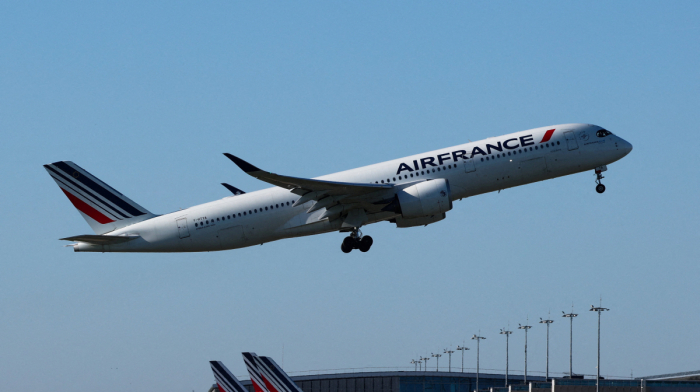
live UN halts Strait of Hormuz escort operations after reported attack on cargo ship
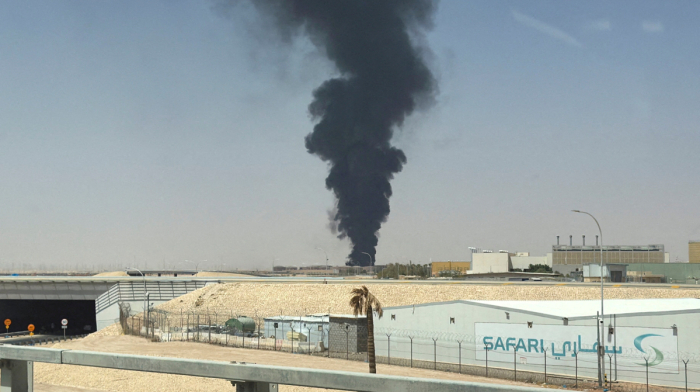
The UN's International Maritime Organization has paused escort operations through the Strait of Hormuz after a cargo ship was reportedly attacked near...
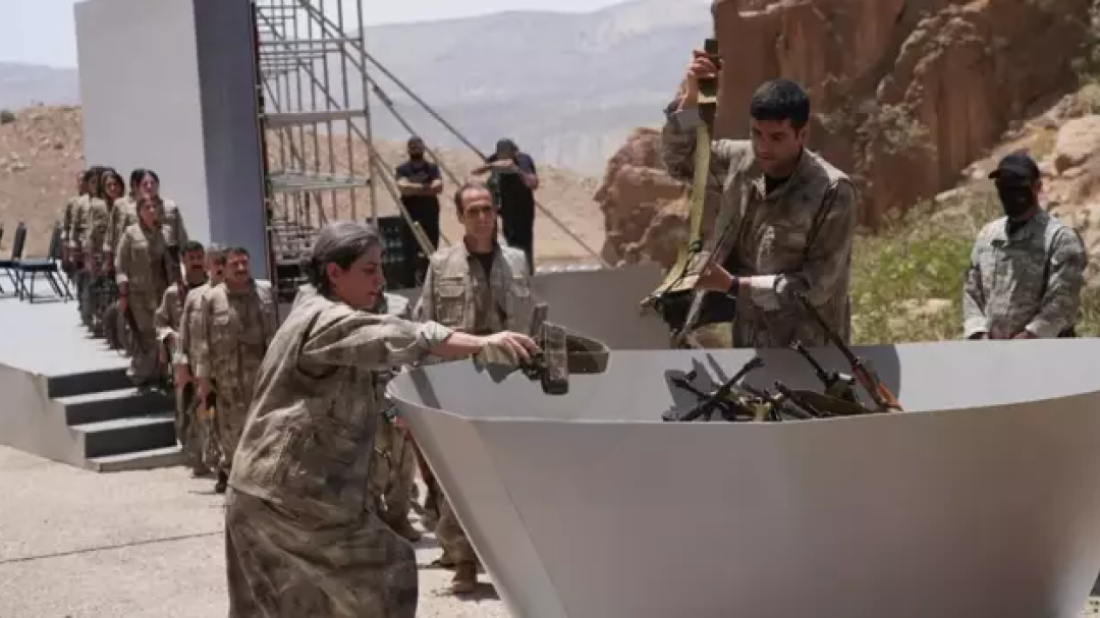
The Kurdistan Workers’ Party will start laying down its weapons in a tightly guarded ceremony near Suleymaniyah in Iraq on Friday, launching what Ankara and Kurdish leaders call the first real step towards ending more than 40 years of conflict that has claimed more than 40,000 lives.
A small PKK delegation is expected to surrender arms at an undisclosed site in Iraq’s Kurdish region before returning to its mountain bases, officials briefed on the arrangements said. Broader disarmament points—jointly overseen by the Turkish, Iraqi and Kurdistan regional authorities—are due to operate throughout the summer.
President Recep Tayyip Erdogan welcomed the move as “totally ripping off and throwing away the bloody shackles that were put on our country’s legs,” describing it as an historic chance to dismantle what Türkiye, the U.S., the EU and the UK classify as a terrorist organisation.
Imprisoned PKK founder Abdullah Ocalan, held in solitary confinement on Imrali Island since 1999, urged the group in a rare video message “to put politics and social peace, not weapons, into practice.” Kurdish analysts say the 76-year-old still commands decisive authority among supporters.
The latest push follows an initiative by nationalist leader Devlet Bahçeli last October to create a “terror-free Türkiye.” Ocalan’s February letter calling for the PKK to dissolve itself paved the way for a unilateral ceasefire and Friday’s ceremony.
A parliamentary commission in Ankara will draft next steps after the summer recess, though officials stress no decision on easing Ocalan’s prison terms—or any wider amnesty—will be taken before MPs vote on the panel’s recommendations.
If successful, analysts say the demobilisation could reshape security dynamics not only in Türkiye but also in neighbouring Iraq, Syria and Iran, where PKK-linked groups operate.

An earthquake of magnitude 6.9 struck Japan's northeast coast on Thursday, but no tsunami warning was issued, no injuries were immediately reported and no irregularities were found at nuclear facilities, the authorities said.
As Western Europe battles a deadly heatwave that has shattered temperature records, disrupted transport and power supplies, and forced the closure of schools and cultural landmarks, attention is turning to whether El Niño is playing a role in the extreme conditions.
The U.S. Senate rejected a resolution on Wednesday that would have directed President Donald Trump to remove U.S. forces from hostilities against Iran unless Congress formally authorised military action.
The Kremlin has denied a Wall Street Journal report claiming Moscow is pressuring Belarus to support an expanded Russian military campaign in Ukraine.
Tens of thousands of people are still unaccounted for after two powerful earthquakes struck Venezuela. At least 589 people have been confirmed dead and hundreds are believed to be trapped under rubble, as emergency crews and international rescue teams race to respond.
The United Nations' top human rights official has called for independent investigations into deaths in U.S. immigration detention facilities, citing a rise in fatalities among people held by U.S. Immigration and Customs Enforcement (ICE).
An aircraft roughly the size of a car crashed into Beijing's tallest skyscraper on Friday evening, triggering a major emergency response and a heavy police presence as authorities sealed off the area and gave no immediate explanation for the incident.
Montenegrin police, working alongside the United States' Federal Bureau of Investigation, have arrested an Iranian national accused of carrying out a series of cyberattacks that allegedly caused an estimated $3.4 billion in damage to U.S. infrastructure.
South Korea is set to dramatically expand its unmanned warfare capabilities, with plans to integrate drones across all branches of its military as tensions with North Korea continue to shape the country's defence strategy.
Fertiliser shipments through the Strait of Hormuz have begun to recover following an interim U.S.–Iran agreement aimed at stabilising the waterway after months of disruption during conflict, industry data shows.
You can download the AnewZ application from Play Store and the App Store.
What is your opinion on this topic?
Leave the first comment