Israel and the United States have agreed to establish two working groups on Gaza’s future as Washington pushes to turn a fragile ceasefire into a broader political and security arrangement.
Israeli Prime Minister Benjamin Netanyahu and Jared Kushner, U.S. President Donald Trump’s son-in-law and envoy, agreed on Monday 17 August to establish one group dedicated to the disarmament and demilitarisation of Gaza and another focused on the enclave’s severely damaged public health infrastructure, including clean water and sanitation.
The agreement was reached during a meeting in Jerusalem attended by Nickolay Mladenov, the “high representative for Gaza” of the U.S.-led Board of Peace, according to a statement from Netanyahu’s office.
The move comes as Washington pushes Israel and Hamas towards the next stage of its plan to end the war, with both sides still sharply divided over a central question: whether weapons or Israeli troop withdrawals come first.
Disarmament before reconstruction
The Israeli government said the two working groups would operate on separate but closely connected tracks.
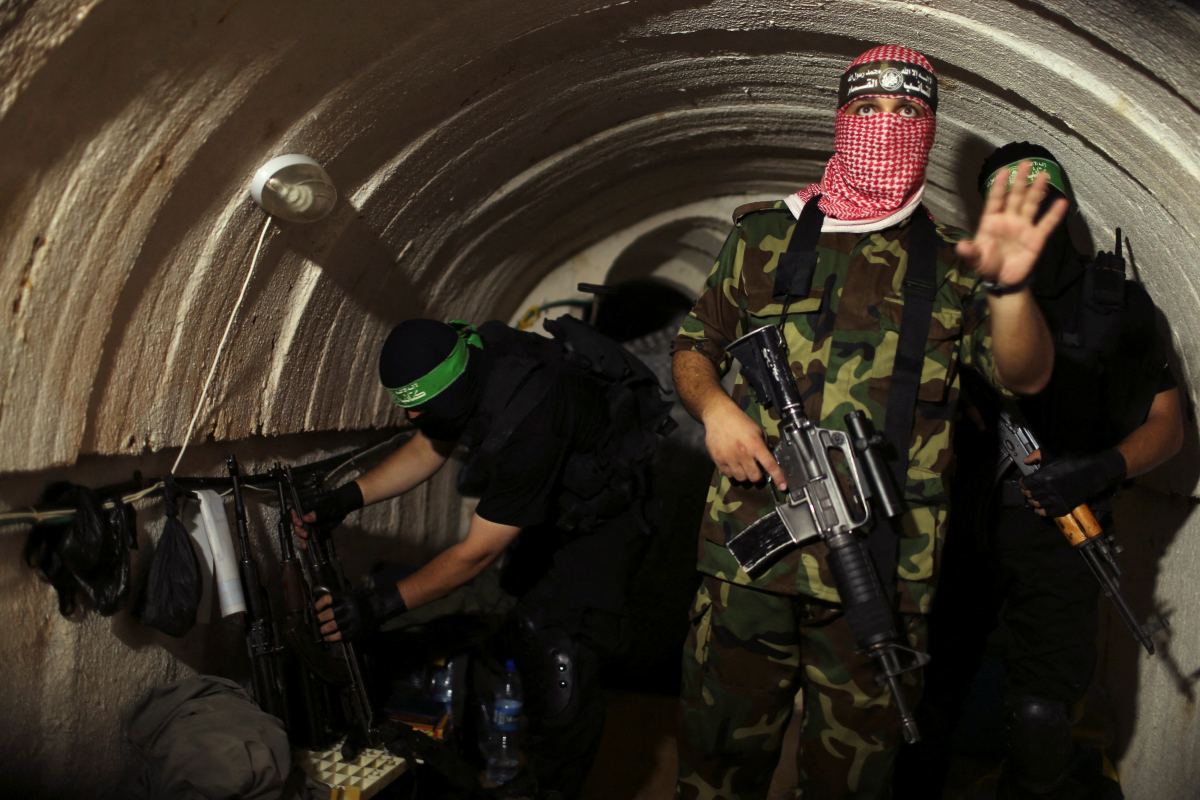
The first will focus on removing weapons and demilitarising Gaza. Israel and the Board of Peace are “determined” that demilitarisation must be completed before reconstruction can begin, the statement said.
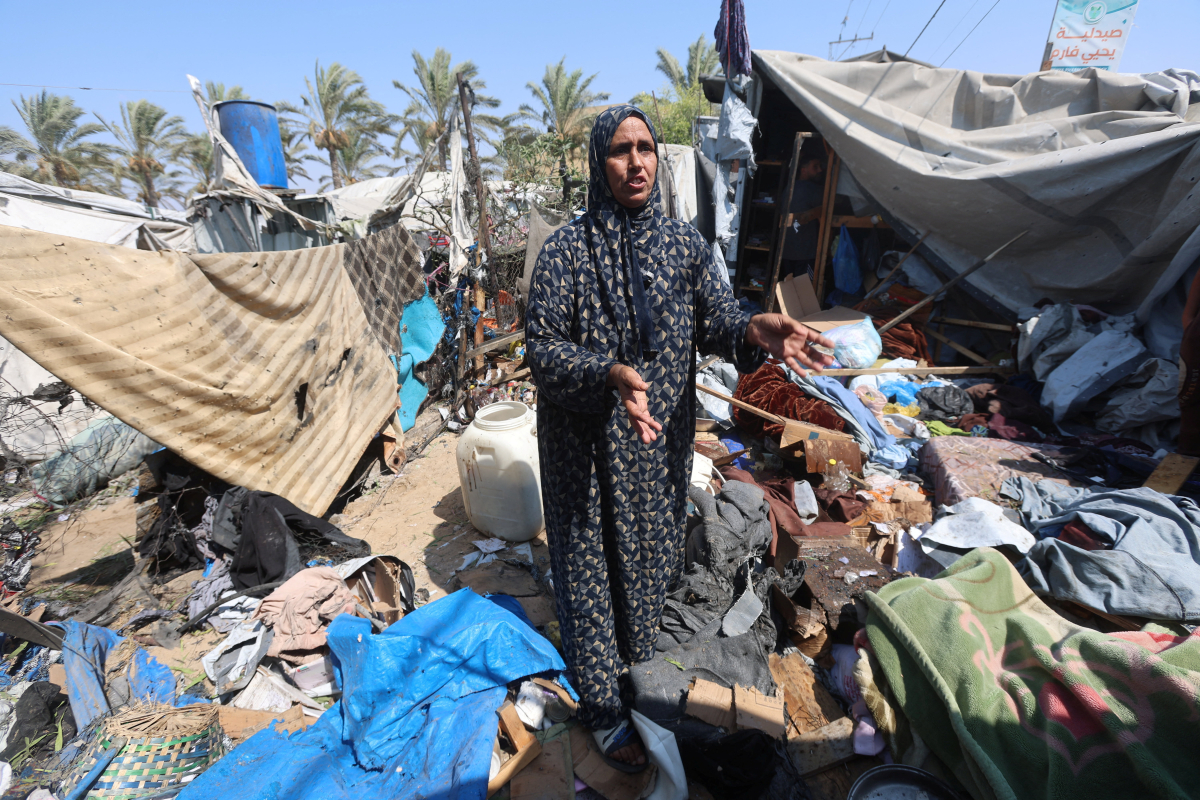
The second group will address basic conditions for Gaza’s civilian population, including sanitation, clean water and other public health needs after more than two years of war and extensive damage to homes and infrastructure.
Kushner set out a relatively short timetable for initial progress, saying after his meeting with Netanyahu that he believed advances could be made within 30 days. He said he hoped some weapons could start to be removed and tunnels filled in over the following 60 to 90 days.
However, he made clear that Washington’s approach remained closely tied to Israel’s security demands.
The U.S. envoy said Washington would not permit reconstruction to proceed before demilitarisation and would not limit Israel’s right to defend itself against an imminent threat.
He warned that a failure by Hamas to meet its commitments could result in stronger U.S. and international backing for Israel.
The central dispute: weapons or withdrawal first?
At the heart of the negotiations is a fundamental disagreement between Israel and Hamas. Netanyahu has repeatedly said Israeli forces will not fully withdraw from Gaza until Hamas is disarmed.
He has also rejected the creation of a Palestinian state in Gaza or the West Bank.
Hamas, meanwhile, has said it is prepared to discuss the broad objectives of the Gaza plan, including a ceasefire and an end to the war, but maintains that its weapons can only be handed over after an Israeli military withdrawal.
Khaled Qaddoumi, Hamas’s representative in Iran, said on Monday that armed resistance would continue for as long as Israeli forces remained in Gaza. He also questioned whether Washington had sufficient leverage to compel Israel to honour any future agreement.
The disagreement has complicated attempts to implement a U.S.-backed roadmap under which disarmament and an Israeli withdrawal would happen gradually and in parallel.
Israeli forces told not to advance 'Yellow Line'
Alongside the creation of the working groups, Israeli forces in Gaza have reportedly been ordered to halt further westward movement beyond the current “Yellow Line”.
Israel’s public broadcaster KAN reported that troops had received formal orders not to move beyond the line and had been instructed to document alleged ceasefire violations by Hamas.
The Yellow Line marks the position to which Israeli troops withdrew under the first phase of Trump’s Gaza plan. According to KAN, Israel initially retained control of slightly more than half of Gaza under the proposed arrangement, but its forces have subsequently moved further west and now effectively control close to two-thirds of the territory.
The reported order to halt further movement would mark a significant restraint on Israeli forces as Washington tries to push negotiations into their next phase.
It also highlights the fragile balance underpinning the ceasefire. Israel is seeking guarantees against a renewed threat from Hamas, while any further expansion of its military presence risks undermining the withdrawal process sought by Hamas and mediators.
Kushner holds rare talks with Hamas
Kushner’s visit to Israel followed an unusual direct meeting with Hamas officials in Egypt, where he held talks with Khalil al-Hayya, a senior figure in the group’s political leadership.
Kushner described the discussion as “very cordial”, but stressed that any understanding reached with Hamas would have to be demonstrated through concrete action.
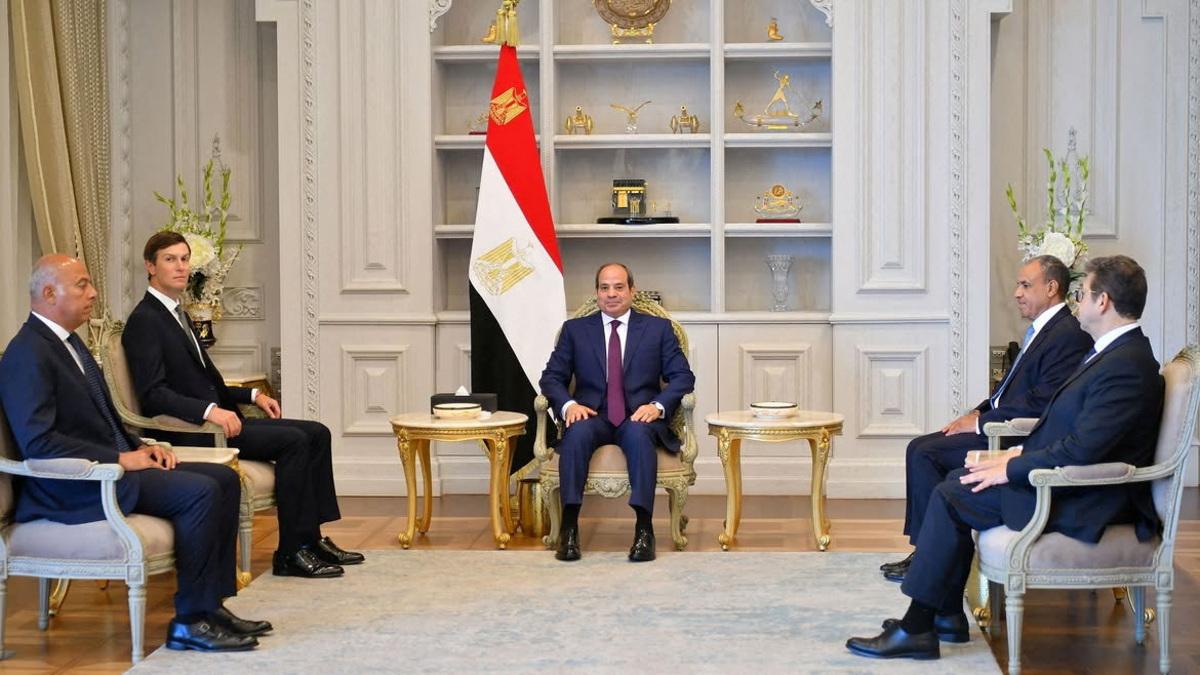
Before travelling to Israel, he also met Egyptian President Abdel Fattah al-Sisi, highlighting Cairo’s role in the mediation effort.
The meetings come as the Trump administration tries to bridge the divide between Israel and Hamas and turn the ceasefire into a longer-term settlement.
Trump said on 30 July that his Board of Peace had reached an agreement for the “complete disarmament” of Hamas and other armed groups in Gaza. A 15-point plan released the following day called for Hamas to disarm while Israeli forces withdrew in stages.
Hamas rejected the sequencing demanded by Israel, saying on 31 July that it would only surrender its weapons once Israeli troops had withdrawn from Gaza.
Gaza's reconstruction hangs in the balance
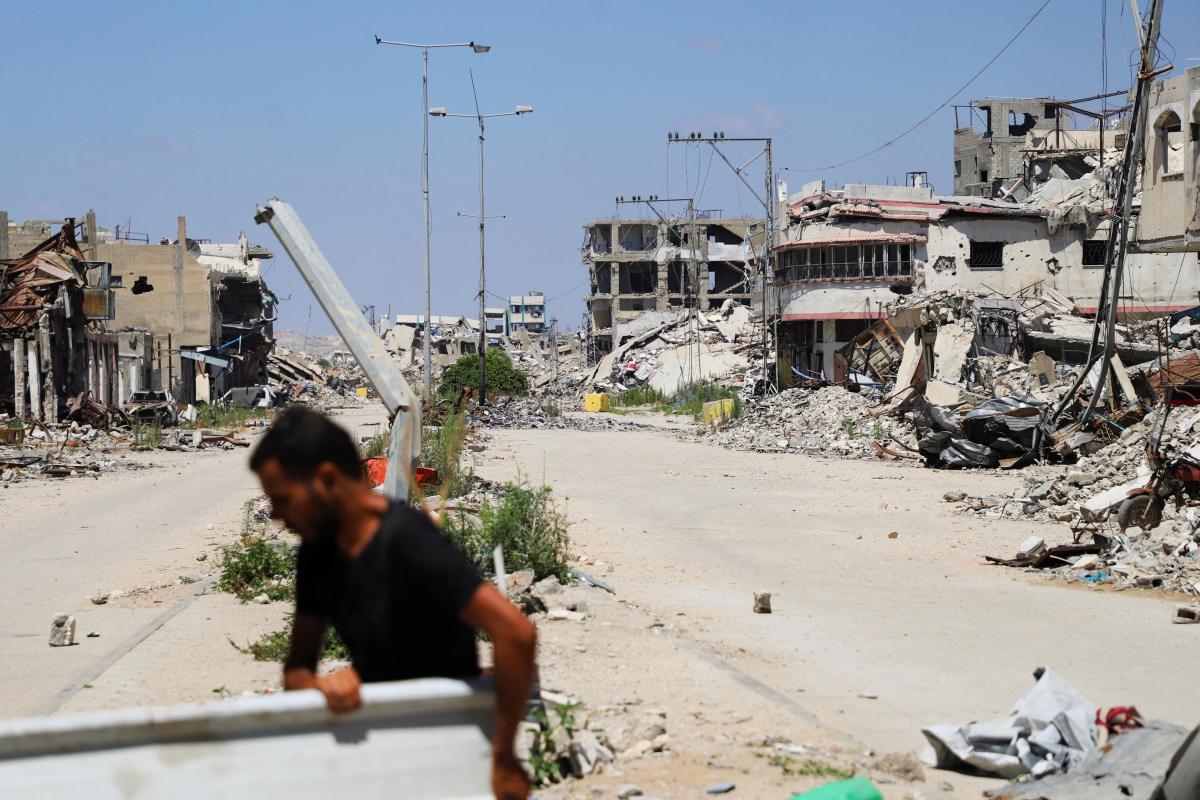
For Gaza’s civilians, the dispute over disarmament and Israeli troop withdrawals is holding up reconstruction, with the territory’s housing, water and sanitation systems still severely damaged.
Gaza’s Health Ministry says more than 73,000 Palestinians have been killed and more than 174,000 wounded since the war began in October 2023. It also reports 1,262 deaths and 4,168 injuries from alleged Israeli ceasefire violations since the agreement took effect last October.
The new U.S.-backed working groups provide a new channel for negotiations, but any progress hinges on resolving the central dispute: Israel wants Hamas to disarm before withdrawing its forces, while Hamas is demanding an Israeli withdrawal before it gives up its weapons.
Read more about Gaza:















What is your opinion on this topic?
Leave the first comment