Poland mourns victims of Kraków mass shooting as security fears grow
Poland began two days of national mourning on Sunday (8 November) and police bolstered security after six people were killed in a mass shooting in ...
French department store BHV and online fast-fashion retailer Shein have ended their partnership, seven months after the launch of a permanent Shein shop in Paris triggered controversy and widespread criticism.
The opening of Shein’s first permanent physical store inside BHV’s flagship location in November had already sparked backlash over its fast-fashion model, environmental concerns, and allegations linked to controversial products sold online.
Societe des Grands Magasins (SGM), which has operated the landmark BHV store opposite Paris City Hall since 2023, has sold it at a loss to a group of executives, including outgoing CEO Karl-Stéphane Cottendin, according to both parties.
Cottendin, who will step down following the deal, said Shein would “ideally” leave the store by Christmas and described the decision to bring the retailer in as a “strategic error.”
The partnership had already triggered protests, brand boycotts, and regulatory scrutiny, with around 100 brands leaving the department store due to the collaboration or related disputes over payments and operations.
Shein said the deal with SGM was always intended to be temporary and that it respects the decision, while expressing regret over disruption caused by ongoing construction works in the store.
Customers who queued for the opening reportedly expressed disappointment, saying prices inside the store were significantly higher than on Shein’s online platform, known for ultra-low-cost items such as $5 dresses and $10 jeans.
SGM had already been under financial pressure before the partnership, including delays in payments to suppliers, and the Shein launch further accelerated brand departures from the department store in protest.
Founded in China and now based in Singapore, Shein has faced repeated international criticism over labour practices, environmental concerns, and product compliance issues, along with more than €22 million in fines from French authorities for traceability and labelling violations.
The company also came under renewed scrutiny in November after French authorities condemned listings of childlike sex dolls on its platform, which were later removed and banned globally.
Poland has declared two days of national mourning after a gunman opened fire in Kraków's historic main square. Investigators are examining possible far-right influences and the discovery of three bodies at the suspect's home.
Russian forces launched a ballistic missile attack on Kyiv early on Saturday, 7 November, injuring two people and damaging residential buildings, just three days before U.S.-led peace talks with Ukraine and Russia in Abu Dhabi.
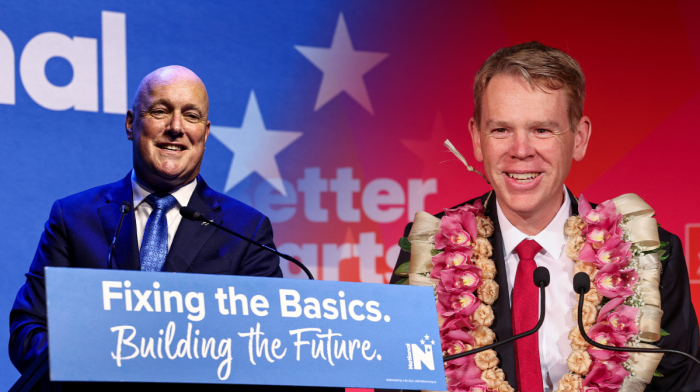
New Zealand’s ruling centre-right National Party has taken a narrow lead over the opposition Labour Party in Saturday’s general election, with the country’s current three-party coalition projected to retain power.
India's delivery of guided Pinaka rockets to Armenia is drawing renewed attention as analysts assess the military and strategic significance of one of New Delhi's most prominent defence export deals.
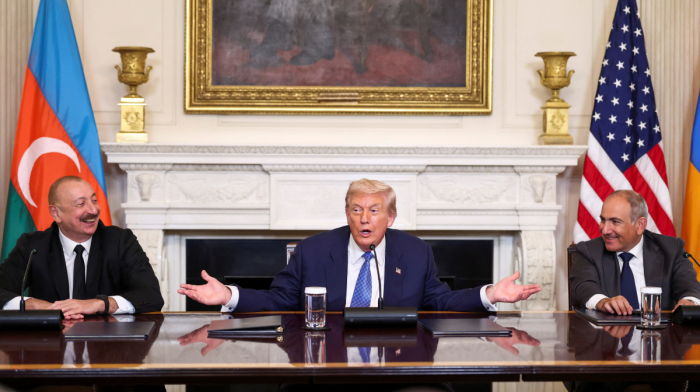
Azerbaijan, the United States and Armenia have launched trilateral technical planning groups to advance the Trump Route for International Peace and Prosperity (TRIPP), marking another step towards implementing the regional connectivity project agreed at the Washington peace summit in August 2025.
Australian design platform Canva has announced a major restructuring affecting 22 per cent of its workforce, with 1,271 employees facing job cuts, relocations or changes to their roles as the company grapples with slowing growth and rising AI costs.
British Petroleum (bp) spent nearly $1.5 billion with suppliers and contractors across Azerbaijan, Georgia and Türkiye in the first nine months of 2026, highlighting the economic reach of major energy projects beyond oil and gas production.
Seven OPEC+ countries agreed on Sunday, 1 November, to keep oil production targets unchanged for December, extending an earlier freeze. But with the Iran war disrupting supplies and prices fluctuating, what is really driving the global oil market?
Cryptocurrencies are volatile, and their crashes make headlines. But does a slump in digital coins ever spill over into the pounds, dollars and euros in people's bank accounts? The short answer is not directly, but indirectly it can, and regulators are increasingly worried about how.
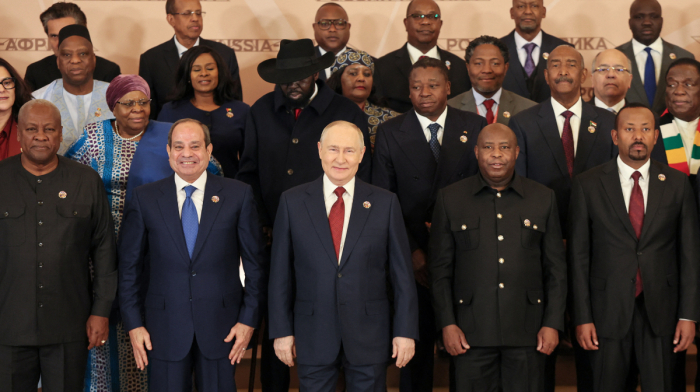
Russian President Vladimir Putin has praised record trade with Egypt as Moscow seeks to use its economic ties with Cairo to expand its influence across Africa, with a focus on manufacturing, infrastructure and energy.
You can download the AnewZ application from Play Store and the App Store.
What is your opinion on this topic?
Leave the first comment