Japan's 'Iron Lady' Sanae Takaichi wins Japan election, secures strong mandate
Japan’s ruling coalition led by Prime Minister Sanae Takaichi has secured a sweeping victory in Sunday’s lower house election, cementing her autho...
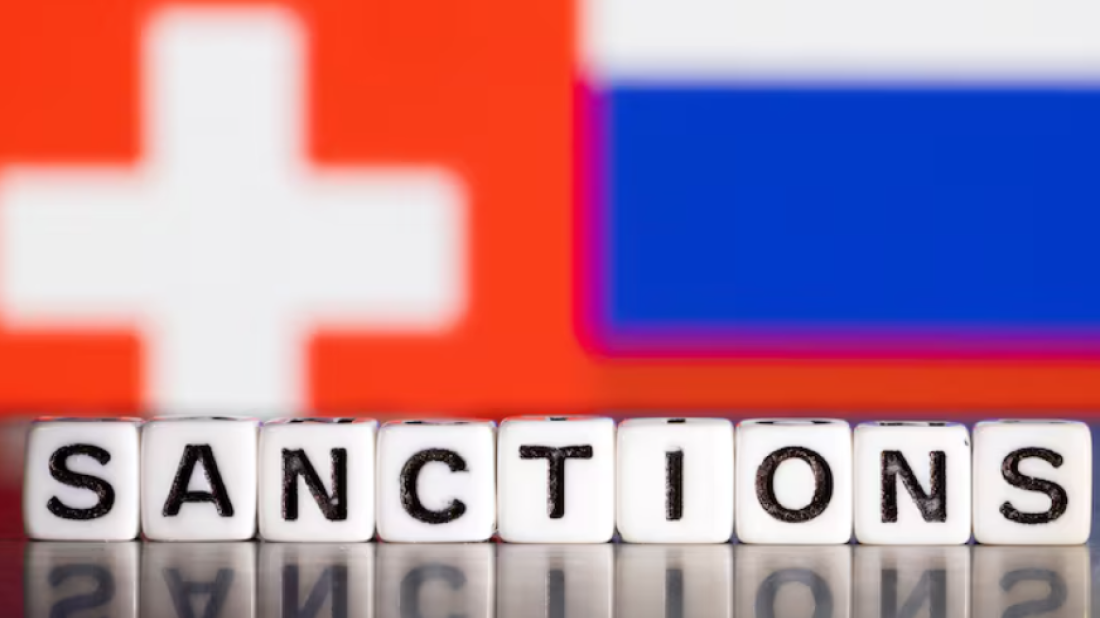
The Swiss government announced on Tuesday that the value of Russian assets frozen in the country has risen to 7.4 billion Swiss francs ($8.38 billion) by the end of March 2025, up from 5.8 billion francs last year, due to newly identified funds and ongoing investigations into sanctions violations.
The Swiss government has reported a significant increase in the value of Russian assets frozen within the country, reaching 7.4 billion Swiss francs ($8.38 billion) by March 2025, up from 5.8 billion francs the previous year. Officials attribute the rise to the identification and blocking of additional funds.
According to ISNA, the Swiss economy ministry linked much of this increase to a criminal investigation by the Swiss attorney general’s office into alleged sanctions violations and money laundering. While the ministry did not disclose specific details regarding the individuals or entities involved, it referenced an ongoing case that became public in August 2024. At that time, Swiss media, including Le Temps, reported that Switzerland had seized 1.3 billion francs and was investigating four individuals connected to sanctioned Russian billionaire Suleiman Karimov.
The economy ministry also noted that multiple cases are under investigation involving potential sanctions breaches by Swiss companies using foreign subsidiaries in the goods sector. Among the frozen assets are real estate, luxury vehicles, private aircraft, and valuable artworks.
Switzerland, traditionally known for its neutral stance, has faced increasing international pressure to prevent sanctions circumvention, particularly following Russia’s invasion of Ukraine in February 2022.

Iran would retaliate by striking U.S. military bases across the Middle East if it comes under attack by American forces, Foreign Minister Abbas Araghchi said on Saturday (7 January), stressing that such action should not be seen as targeting the countries hosting those bases.
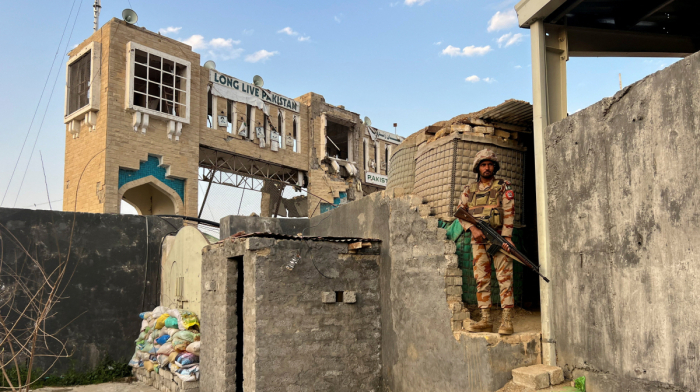
At least 31 people have been killed and scores wounded in a suicide bombing at a mosque in Pakistan’s capital, Islamabad, during Friday prayers, prompting widespread international condemnation.
U.S. and Ukrainian negotiators have discussed an ambitious goal of reaching a peace agreement between Russia and Ukraine by March, though the timeline is widely viewed as unrealistic due to deep disagreements over territory, according to multiple sources familiar with the talks.
Several avalanches struck northern Italy on Saturday, killing at least three people, as rescue officials warned the death toll could rise with unstable conditions persisting across the Alps.
A Japanese city near Mount Fuji has cancelled its annual cherry blossom festival, saying growing numbers of badly behaved tourists are disrupting daily life for residents.
Türkiye’s national energy company, TPAO, has struck a new cooperation deal with U.S. energy giant Chevron, signing a memorandum of understanding to explore joint oil and gas exploration and production opportunities, the Turkish Energy and Natural Resources Ministry announced on Thursday.
Wall Street ended sharply lower on Tuesday as investors worried about artificial intelligence (AI) creating more competition for software makers, keeping them on edge ahead of quarterly reports from Alphabet and Amazon later this week.
U.S. stock markets finished mixed on Wednesday (28 January) as investors reacted calmly after the Federal Reserve left interest rates unchanged, a decision that had been widely expected and largely priced in.
The S&P 500 edged to a record closing high on Tuesday, marking its fifth consecutive day of gains, as strong advances in technology stocks offset a sharp selloff in healthcare shares and a mixed batch of corporate earnings.
Chevron is in talks with Iraq’s oil ministry over potential changes to the commercial framework governing the West Qurna 2 oilfield, one of the world’s largest producing assets, after Baghdad nationalised the field earlier this month following U.S. sanctions imposed on Russia’s Lukoil.
You can download the AnewZ application from Play Store and the App Store.
What is your opinion on this topic?
Leave the first comment