live Tehran tightens grip on Hormuz; Trump says 'we don't need any help with Iran' - Middle East conflict 13 May
U.S. President Donald Trump said he does not think he will need China's help to end the war with Iran as he le...
U.S. small-business confidence reached its highest level in nearly 3-1/2 years in November, driven by post-election euphoria. According to the National Federation of Independent Business (NFIB), the Small Business Optimism Index surged as owners became more optimistic about the economy and expansion
U.S. small-business confidence surged to its highest level in nearly 3-1/2 years in November, buoyed by post-election optimism. The National Federation of Independent Business (NFIB) reported on Tuesday that its Small Business Optimism Index jumped by 8.0 points to 101.7 last month, the highest since June 2021. Donald Trump’s victory in the presidential race and his Republican Party’s control of the U.S. Congress in the recent elections were expected to boost confidence among small business owners, who traditionally lean Republican. Other sentiment surveys, including the University of Michigan’s, have also seen improvements in the aftermath of the November 5 election, albeit divided along party lines.
The proportion of small business owners expecting the economy to improve surged by 41 points to 36%, the largest increase since June 2020. The number saying now is a good time to expand their business reached levels last seen nearly 3-1/2 years ago. More businesses anticipated higher sales growth, while the share of those naming inflation as their main concern fell.
The survey’s uncertainty index dropped by 12 points from a record high of 110 in October. Labor remains tight in small businesses, especially in sectors like transportation, construction, and professional services. The proportion of businesses planning to hire more workers increased by 3 points to 18%, the highest in a year. Around 32% of owners reported raising compensation, up one point from October. The share planning to increase pay over the next three months jumped 5 points to 28%, the highest level this year. About 28% planned price hikes, up 2 points from October.
"Wage hikes are essential to maintaining current employment levels and helping to fill vacancies," said Bill Dunkelberg, the chief economist at the NFIB.

Kuwait arrested four members of an IRGC-linked group as they tried to enter the country by sea, the Gulf state's KUNA news agency reported on Tuesday. Meanwhile, a senior IRGC officer said Iran had expanded its definition of the Strait of Hormuz to include a far wider area.
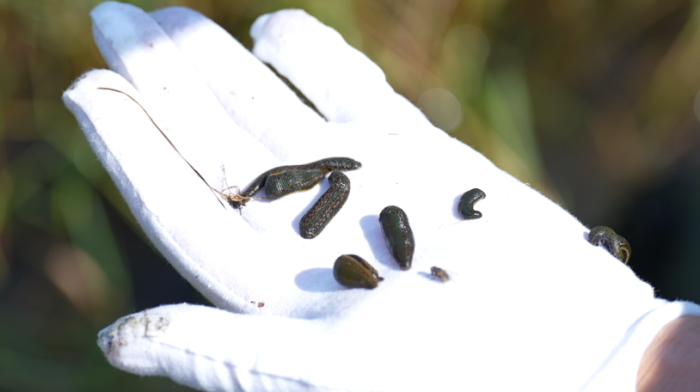
Biological samples from an Italian man were transferred to a specialist hospital for testing on Tuesday, after he was suspected of contracting hantavirus. Meanwhile, World Health Organization boss Tedros Ghebreyesus said there were “no sign” of a larger outbreak linked to the MV Hondius cruise.
Exclusive flight-tracking material obtained by AnewZ has raised new questions about French military aircraft movements linked to President Emmanuel Macron’s recent diplomacy with Armenia and the wider scope of France’s defence cooperation with Yerevan.
Just one week after a similar move by Australia, Greece announced that it will ban access to social media for children under the age of 15 from January 1, 2027, as governments around the world weigh tougher rules amid growing concerns over mental health, safety and screen addiction.
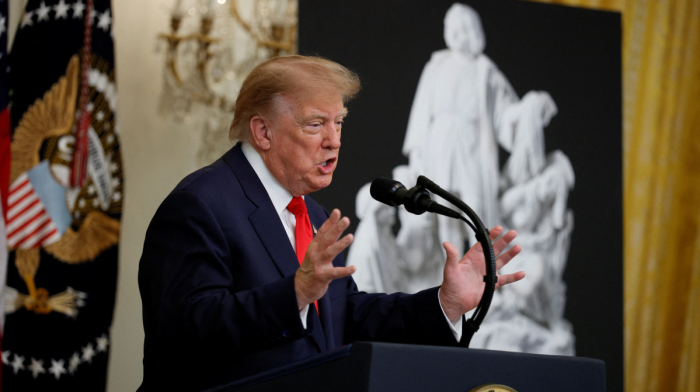
U.S. President Donald Trump said he does not think he will need China's help to end the war with Iran as he left for a high-stakes summit in Beijing on Tuesday, as hopes for a lasting peace deal dwindled and Tehran tightened its grip over the Strait of Hormuz.
TUI has reported sustained demand for holidays despite the Iran war, as the world’s biggest travel company posted lower-than-expected quarterly losses and said bookings for the second half of the year remained strong.
By the time American shoppers began noticing higher prices on everything from trainers to televisions, the world's two largest economies were already deep in a trade war that left the world wondering how it would end.
The Strait of Hormuz remains a vital maritime chokepoint and serves as the primary artery linking the Persian Gulf to international energy markets. With approximately 20% of global oil and gas shipments transiting this waterway, it is the backbone of energy security for Asia, Europe, and beyond.
China’s exports grew faster than expected in April, as overseas buyers moved quickly to secure supplies amid fears that the conflict involving Iran could drive up global energy and transport costs.
Asian stocks surged to record highs on 7 May as investors priced in growing hopes of a potential Middle East peace deal, while oil prices eased and the U.S. dollar weakened amid shifting global risk sentiment.
You can download the AnewZ application from Play Store and the App Store.
What is your opinion on this topic?
Leave the first comment