live European leaders meet in Dublin for security talks as Aliyev holds key bilateral meetings
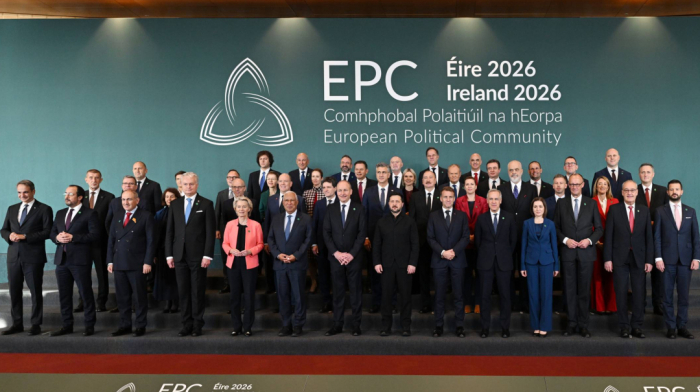
European leaders gathered in Dublin on Thursday, 12 November, for the ninth European Political Community (EPC) summit, with security, defence and e...
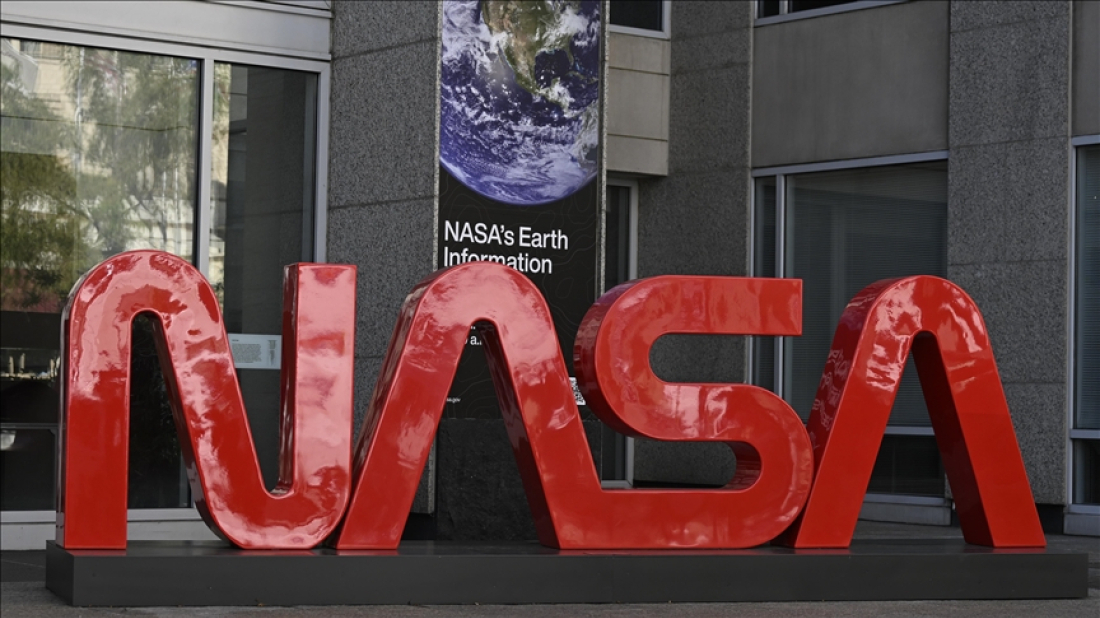
NASA has launched two missions to explore the universe’s origins and the Sun’s outer atmosphere. The SPHEREx observatory and PUNCH satellite constellation will map the cosmos and study solar wind, helping scientists understand cosmic evolution and improve space weather forecasts.
NASA has initiated two groundbreaking missions to investigate the universe’s origins and the Sun’s outer atmosphere, the agency announced Tuesday.
Aboard a SpaceX Falcon 9 rocket, the SPHEREx observatory and the PUNCH satellite constellation launched from California’s Vandenberg Space Force Base after multiple delays due to technical reviews and weather conditions.
Over the next two years, SPHEREx will conduct a full-sky survey four times, analyzing the light from hundreds of millions of galaxies to create a 3D map of the cosmos. This data may provide new insights into how the universe evolved after the Big Bang nearly 14 billion years ago.
NASA scientists believe the mission will help uncover the large-scale distribution of galaxies, shedding light on cosmic inflation—a rapid expansion phase in the early universe. Additionally, SPHEREx will search for water ice and other life-essential molecules within the Milky Way.
“Humanity has long wondered, ‘How did we get here?’ and ‘Are we alone?’” said James Fanson, SPHEREx project manager. “With these tools, we’re closer than ever to finding answers.”
Meanwhile, PUNCH is set to study how the Sun’s corona extends into the solar wind—a continuous stream of charged particles that impacts space weather. By tracking these interactions, researchers aim to enhance forecasts of solar storms that can disrupt satellites and power grids on Earth.
“The space between planets isn’t empty—it’s shaped by turbulent solar wind,” explained Craig DeForest, PUNCH’s principal investigator. “This mission will help us understand how these winds form and influence space weather on Earth.”
Both missions will operate in low Earth orbit, with SPHEREx managed by NASA’s Jet Propulsion Laboratory and PUNCH led by the Southwest Research Institute.
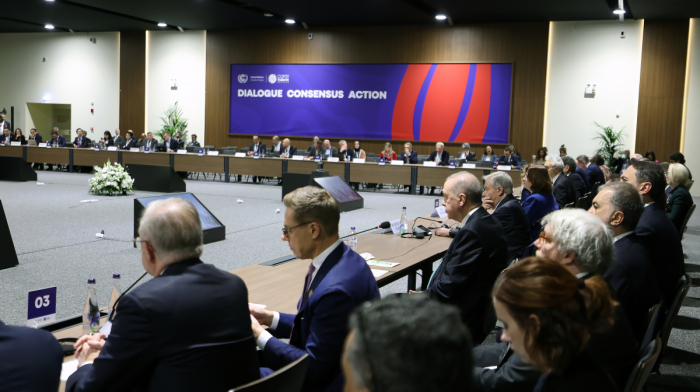
UN Secretary-General António Guterres delivered a stark warning at this year's COP31 summit, saying the climate crisis iss advancing faster than governments' efforts to contain it.
European leaders gathered in Dublin on Thursday, 12 November, for the ninth European Political Community (EPC) summit, with security, defence and energy high on the agenda. Azerbaijani President Ilham Aliyev held talks focused on peace, trade and regional cooperation.
Here's your AnewZ Daily Brief for 11 November. Today, we cover Russia-Ukraine peace talks, political tensions in Washington, strikes in Spain, espionage allegations involving Nvidia's CEO, and climate negotiations at COP31 in Türkiye.
Four million workers across Spain joined a general strike on Wednesday over the country’s deepening housing crisis, unions said, bringing disruption to factories, ports, shops and public transport just weeks before a snap general election.
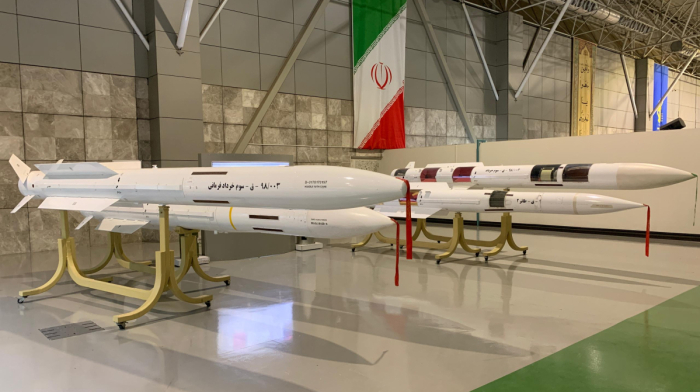
Iran has unveiled a new underground missile and drone base, warning that it will respond forcefully to any attack, as tensions persist with the U.S. and oil tankers continue to be struck by naval mines in the Strait of Hormuz.
NASA is inviting people to send their names to Titan, Saturn’s largest moon, aboard its Dragonfly spacecraft. Set to arrive in late 2034, the mission will explore dunes and an impact crater in search of clues about how the chemical ingredients for life may have formed.
Environmental organisations worldwide are increasingly using artificial intelligence to monitor wildfires, protect endangered species and analyse climate data, even as the technology's rising energy and water consumption raises concerns about its environmental impact.
U.S. President Donald Trump said on Friday he would support states seeking to generate wealth through artificial intelligence, pledging to work with them as Democrats outlined plans to address the technology following Tuesday’s elections, which unsettled markets.
Dubai will host GITEX Global 2026 from 7 to 11 December, bringing together global technology leaders, governments and investors as surging demand for artificial intelligence (AI) puts pressure on energy supplies, computing capacity and digital infrastructure.
Saudi Aramco's acquisition of a 49 per cent stake in artificial intelligence (AI) company HUMAIN is putting a spotlight on a wider investment question: why are some of the world's biggest energy companies moving deeper into AI, and what do they expect to gain?
You can download the AnewZ application from Play Store and the App Store.
What is your opinion on this topic?
Leave the first comment