UN officials visit Kabul as Afghan returns reach six million
Two senior United Nations officials arrived in Kabul on Sunday to assess the needs of Afghan returnees, as Afghanistan's Ministry of Refugees and Repa...
Mountain View, CA, February 24, 2025 – In a move to bolster account security and curb global SMS abuse, Google is set to phase out its SMS-based two-factor authentication (2FA) option for Gmail users, according to a report by Forbes.
For years, Gmail users have been able to verify their identities by receiving a text message containing a code. However, inherent vulnerabilities in SMS—such as SIM swapping and interception - have prompted Google to seek more secure alternatives.
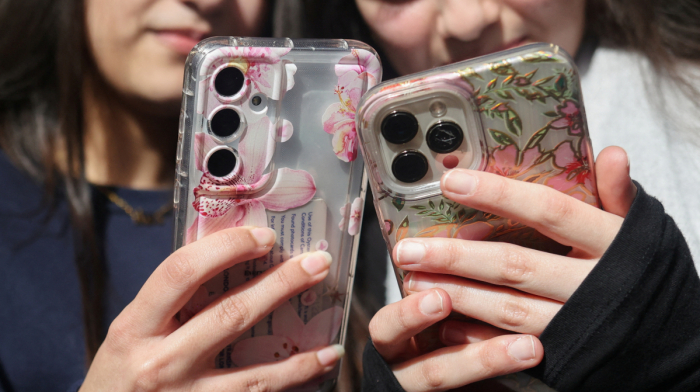
“The goal is to reduce the impact of rampant, global SMS abuse,” said Ross Richendrfer, a Gmail spokesperson, as quoted by Forbes. Under the new system, users will see a QR code on their screen that must be scanned with their smartphone to complete the authentication process.
The switch to QR code verification means that while users will still need to rely on their smartphones, they will no longer be subject to the security risks associated with SMS messages. Criminals have exploited SMS verification in various ways, including convincing carriers to port numbers to new devices or generating revenue through “traffic pumping” schemes.
This strategic shift is part of a broader industry trend toward stronger authentication methods. While Google, along with other tech companies, ultimately envisions a future where passkeys and passwordless systems become the norm, the transition is expected to be gradual. In the meantime, enhancing the security of existing processes remains a priority.
Google has not yet announced a specific timeline for ending SMS-based 2FA, but the update is anticipated to roll out over the coming months. The company’s decision underscores the need for constant innovation in cybersecurity as cyber threats continue to evolve.
By replacing SMS with QR code-based authentication, Google aims to offer a more secure and robust verification method while maintaining user convenience—a key factor as companies worldwide work to protect personal data in an increasingly digital age.

The death toll from Venezuela's devastating twin earthquakes has risen to 3,342, according to the country's information ministry, as rescue teams continue searching affected areas and survivors face an uncertain recovery.
Russia's Defence Ministry has said its forces are clearing the town of Lyman in Donetsk of Ukrainian forces, Moscow's state news agency Tass reported. Meanwhile, Russian attacks killed at least six people across three Ukrainian regions on Friday, regional officials said.
Governments are tightening restrictions on teenagers’ use of social media amid growing concerns over mental health, online safety and platform design, but questions remain over enforcement and whether bans can meaningfully change behaviour.
President Donald Trump said Iran is keen to reach a deal with the United States, claiming Washington had paused engagement to allow funeral ceremonies for late Iranian Supreme Leader Ali Khamenei.
Mexico's national football team has returned luxury Rolex watches gifted by American content creator Stevewilldoit after concerns that they could conflict with FIFA's ethics rules.
Humanoid robots stumbled, collided and recovered as they battled for the RoboCup 2026 football title on Sunday (5 July), showcasing the latest advances in robotics and artificial intelligence at the world's largest competition of its kind.
India is investigating a data breach at Tata Electronics that exposed sensitive documents linked to Apple's unreleased iPhone 18 Pro, marking the government's first public comments on the incident.
Humanity’s return to the Moon is about far more than planting flags and collecting samples. Under NASA’s Artemis programme, the goal is to establish a lasting human presence, with lunar rovers set to play a vital role in making that vision possible.
American technology company Snap has launched its first augmented-reality (AR) glasses for consumers, marking a major push into wearable computing as tech firms race to redefine personal devices in the AI era.
The Canadian government has introduced a digital safety bill that would ban children under the age of 16 from using social media, unless platforms meet specific safety standards.
You can download the AnewZ application from Play Store and the App Store.
What is your opinion on this topic?
Leave the first comment