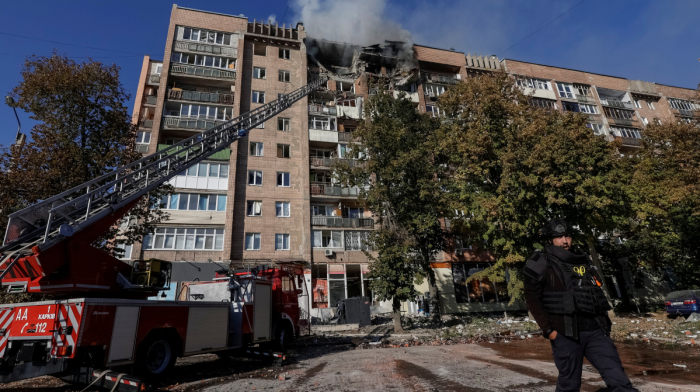
live Zelenskyy urges U.S. to ensure Russia respects energy ceasefire
Russia has violated an energy ceasefire announced by U.S. President Donald Trump, Ukrainian leader Volodymyr Zelen...
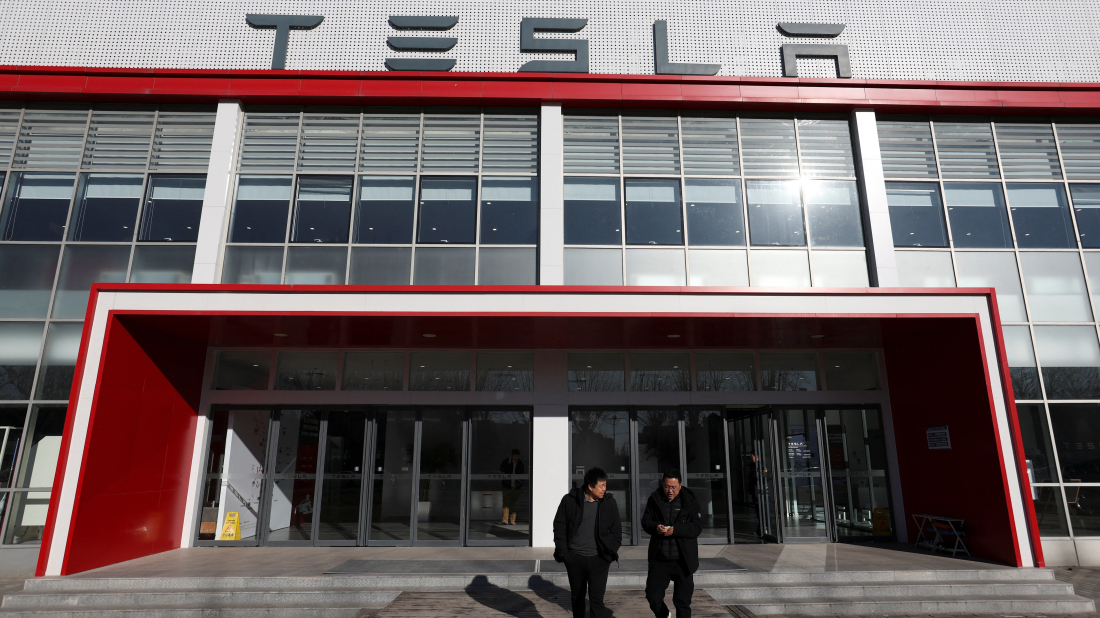
Shanghai, February 24, 2025 – Tesla Inc. is preparing a software update for its Chinese customers that will enable advanced driving-assistance features similar to its full self-driving (FSD) capabilities available in the United States.
The update will be available to Tesla owners who have paid 64,000 yuan (approximately $8,832) for the FSD package. It is expected to allow drivers to use enhanced autonomous features on city streets. Initially, the update will roll out on select models, with plans to gradually expand the service across Tesla’s lineup in China.
This development comes as Tesla continues to navigate regulatory hurdles following multiple investigations into the safety and security of its FSD software, which has been linked to several accidents and crashes. Tesla has not yet responded to Reuters’ request for comment on the planned update.
The move also follows recent actions by Chinese electric vehicle manufacturer BYD, which began offering advanced autonomous driving features on most of its models earlier this month. This competitive pressure may be influencing Tesla’s push to deliver its own autonomous technology in the rapidly growing Chinese market.
Reuters had previously reported that Tesla was exploring options to license its FSD technology to other automakers in China and might eventually offer it as a monthly subscription service. The strategic initiative is also seen as a way for Tesla to mitigate slowing demand in the U.S., where economic uncertainty has tempered consumer spending on big-ticket items.
Last month, Tesla reported record sales in China, with more than 657,000 vehicles delivered in 2024—even as its global annual deliveries declined for the first time. CEO Elon Musk has long championed the company’s self-driving ambitions, and some analysts believe that his close ties with U.S. President Donald Trump could help accelerate regulatory approvals.
As Tesla seeks to strengthen its position in China’s competitive EV market, the rollout of enhanced autonomous features is expected to be a key component of its growth strategy, even as it works to address ongoing safety and regulatory challenges.

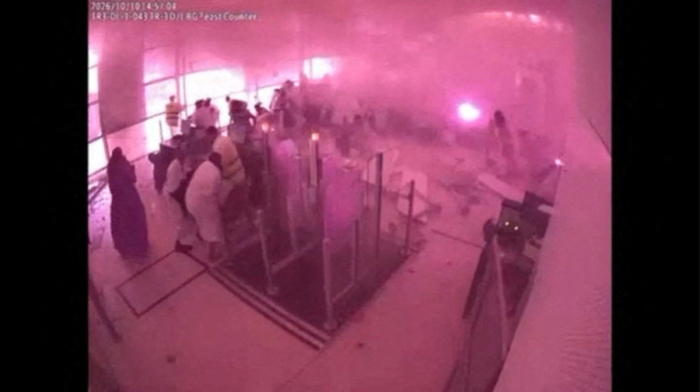
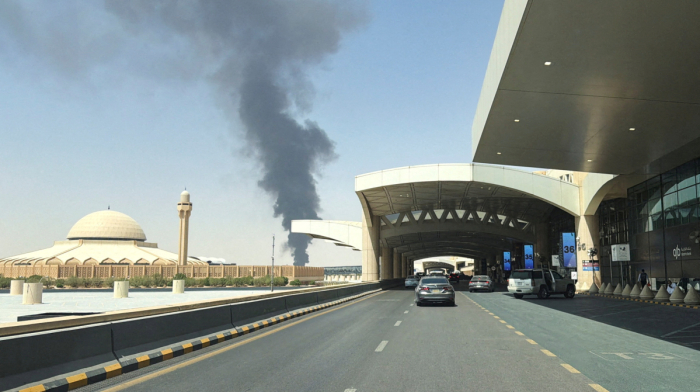
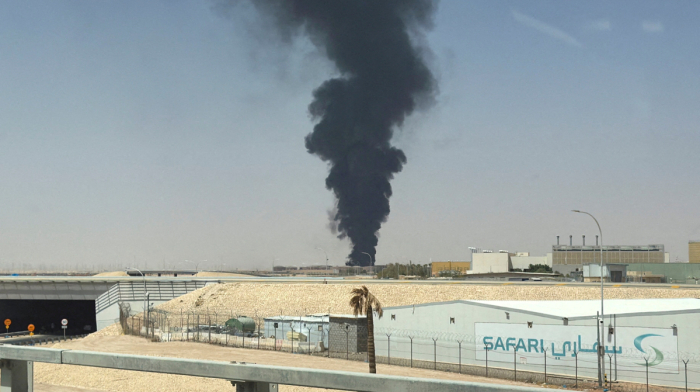
The explosion at King Khalid International Airport in Riyadh on Saturday afternoon killed at least 12 people and injured a further 309, according to Saudi Arabia’s Civil Aviation Authority. The airport remains closed until further notice.
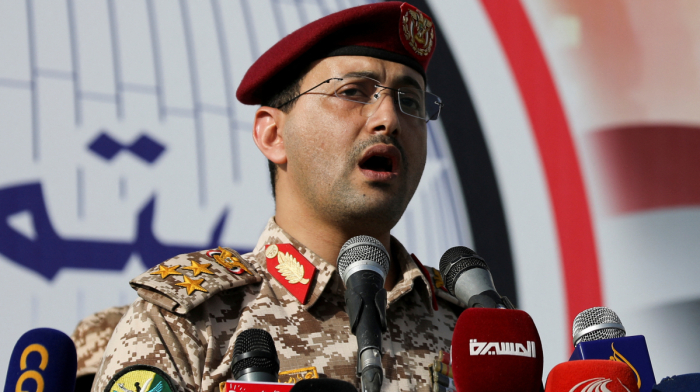
Yemen's Houthis renewed warning to airlines, airport workers, and travellers against using Saudi airports, saying the warning should be taken seriously and that the kingdom “bore responsibility for failed interceptions”, a day after an attack on Riyadh's international airport that killed 12 people.
One person was killed and nearly a dozen hurt in a new attack Riyadh's international airport on Sunday, Saudi authorities reported, a day after a strike claimed by Yemen's Houthis that killed 13 people and wounded more than 300.
The Houthi movement has escalated their attacks on Saudi Arabia, targeting the airport in Riyadh and other cities, killing more than a dozen people.
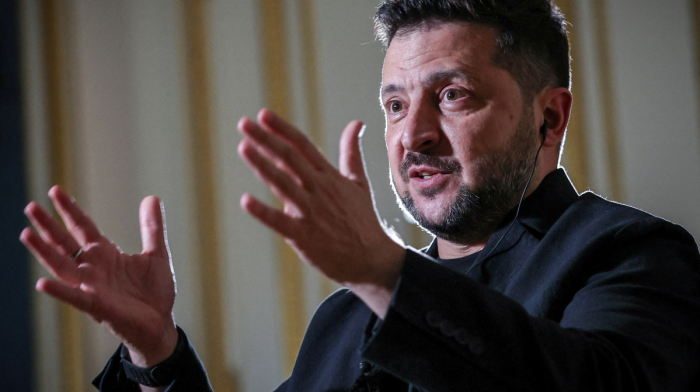
Ukraine is ready to stop attacks on Russian oil refineries if Moscow also halts strikes on Ukrainian energy infrastructure, President Volodymyr Zelenskyy said on Sunday.
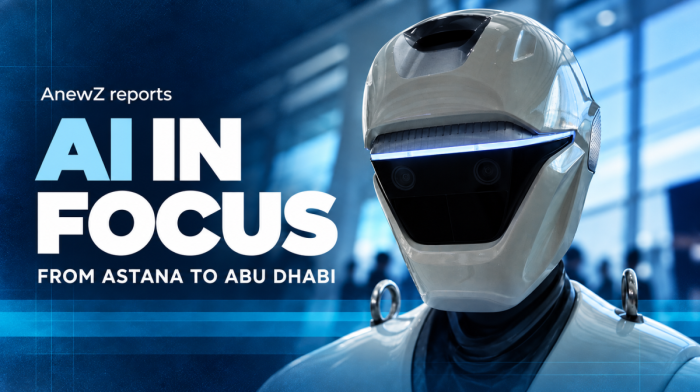
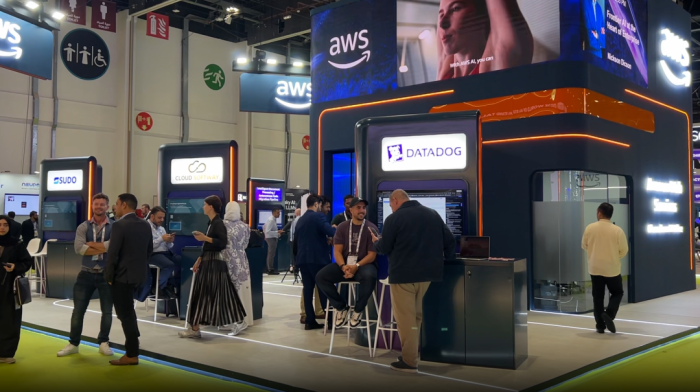
AnewZ’s recent reporting from Kazakhstan and the United Arab Emirates brings audiences closer to the technologies, and the decisions, shaping the future of artificial intelligence.
Anthropic has announced that it is updating its usage policy to allow its AI agents to end conversations involving repeated abuse or cruel behaviour towards them, citing previous incidents.
Türkiye has banned children under 15 from using social media under new regulations published on Saturday. The new regulations prohibit firms from providing services to children “who have not reached the age of 15.”
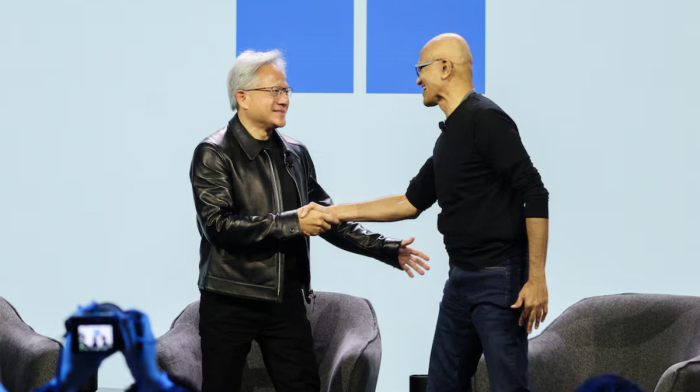
Microsoft has introduced new tools to stop AI agents from accessing data without permission, alongside a Nvidia-powered Surface laptop that can run advanced AI directly on the device.
Picture three scenarios: a hospital that can spot a disease before the patient feels sick, a power grid that feeds thousands of data centres and a government network that is attacked daily. All three depend on artificial intelligence, and one question matters most: who is really in charge?
You can download the AnewZ application from Play Store and the App Store.
What is your opinion on this topic?
Leave the first comment