Hong Kong (CNN) – A new trial of AI-powered robotic exoskeletons is making the arduous ascent of Mount Tai more accessible for Chinese tourists.
On January 29 - the first day of Chinese New Year - tourism officials in Shandong introduced the lightweight devices as part of a week-long trial. Over 200 visitors have tested the exoskeletons for a fee of 60 to 80 yuan per use.
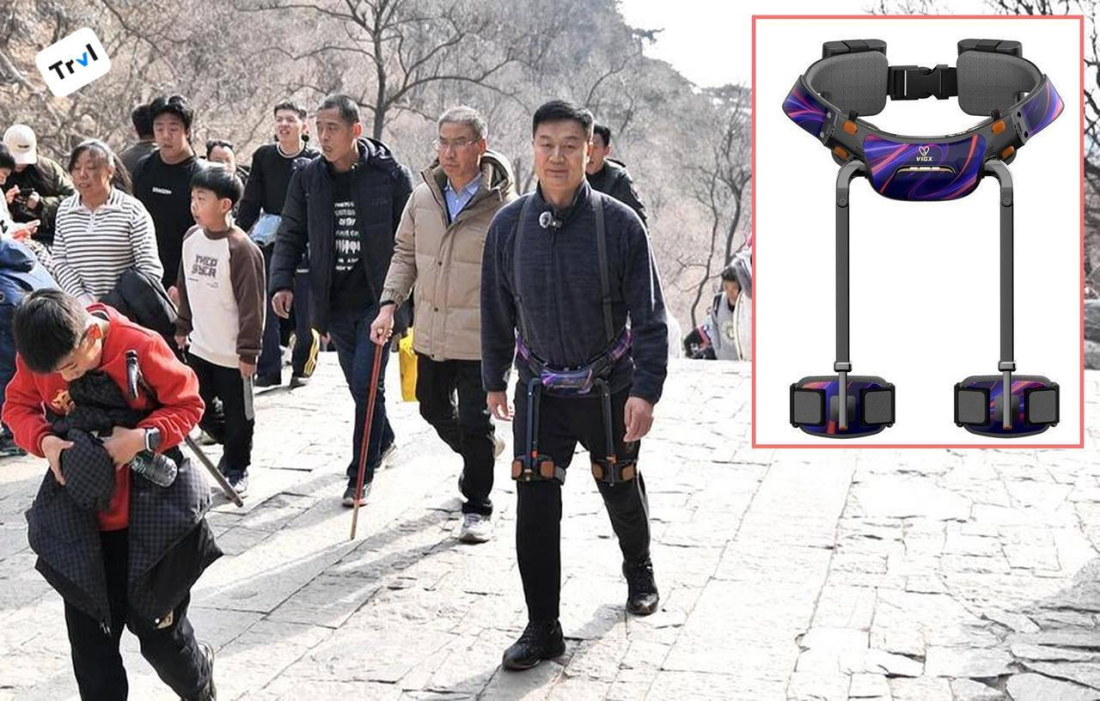
Developed by Taishan Cultural Tourism Group in partnership with Shenzhen-based Kenqing Technology, the exoskeletons are designed to wrap around the wearers’ waists and thighs, weighing just 1.8 kilograms. Powered by AI algorithms that sense and synchronize with users’ movements, the device provides assistance to ease the strain on tired legs during the climb up Mount Tai—a 5,000-foot-high peak featuring more than 7,000 steps.
Each unit runs on two batteries, delivering about five hours of support—nearly matching the typical six-hour climb to the summit. “It really works! It felt like someone was pulling me uphill!” said Li Chengde, a 68-year-old tourist from Jinan who participated in the trial.
Local officials believe the technology could broaden access to the mountain for a variety of visitors, including the elderly, children, and those with limited mobility. “This can help more people hike up the mountain and enjoy the scenery of Mount Tai without it being too strenuous,” said Wang Houzhe, Deputy Secretary of the Party Committee of the Taishan Cultural Tourism Group.
However, not all feedback has been entirely positive. A content creator, known only by the pseudonym Jacky, noted that while the device made the climb easier, it also created challenges. “The experience is definitely easier with the exoskeleton, but once I took it off, I felt clumsy walking on my own,” he said. Jacky also mentioned difficulties with routine tasks, such as tying shoelaces and using the restroom, and highlighted that the battery life could be improved. In response, officials indicated plans to extend battery performance and set up battery replacement stations along the trails.
Currently in beta testing, the exoskeletons are expected to be available to the mass market in early March, according to local authorities. The trial has also sparked broader discussions about the potential applications of robotic assistance in elderly care. With over 22% of China’s population aged 60 or above last year—a figure projected to reach 30% by 2035—the market for smart elderly care, estimated at 6.8 trillion yuan in 2024, is growing rapidly.
Kenqing Technology, which was founded in 2015, is also developing a version of the exoskeleton tailored for elderly users. This model, weighing 2.4 kilograms and priced at 17,000 yuan on Taobao, underscores the company’s ambition to tap into the expansive elderly care market.
As the trial continues at Mount Tai, both officials and developers remain optimistic that robotic exoskeletons could play a significant role in enhancing accessibility and enriching the tourism experience at one of China’s most iconic landmarks.


















What is your opinion on this topic?
Leave the first comment