Armenia sets out balanced foreign policy priorities with regional peace at its core
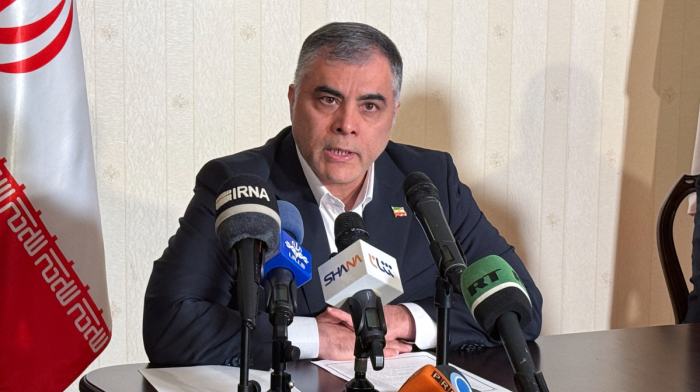
Armenia says it will pursue a balanced foreign policy, deepen regional ties and push to institutionalise peace with Azerbaijan under its new govern...
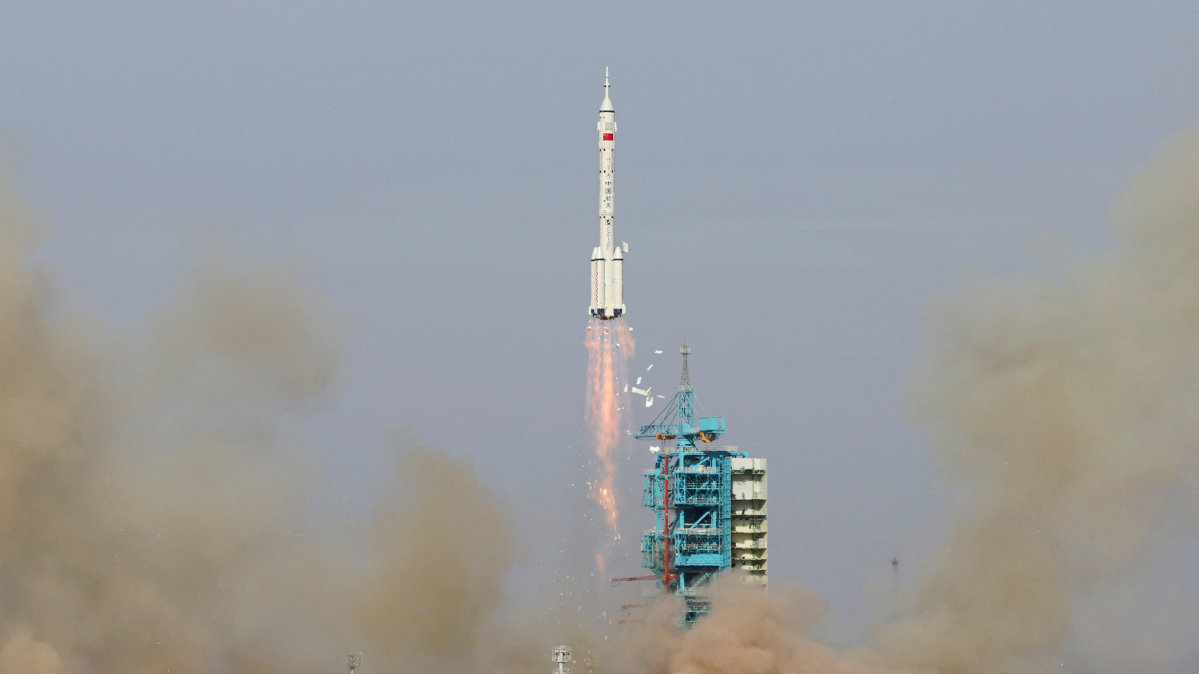
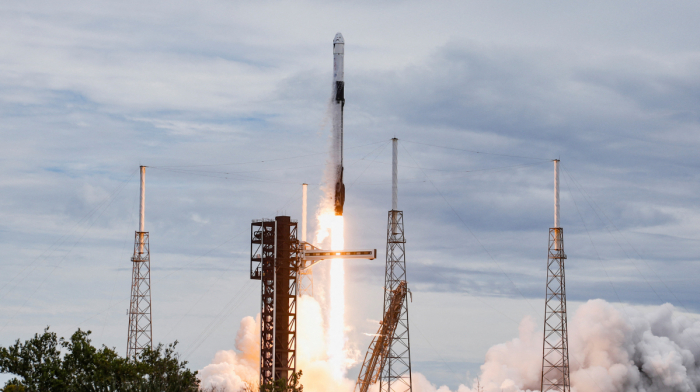
China's first emergency space launch entered orbit after blasting off on Tuesday, as the country looks to plug safety risks at its crewed space station after a vessel was damaged in orbit earlier this month.
The unmanned Shenzhou-22 spacecraft lifted off atop a rocket from the Jiuquan Satellite Launch Centre in northwest China, according to China Manned Space Agency (CMSA).
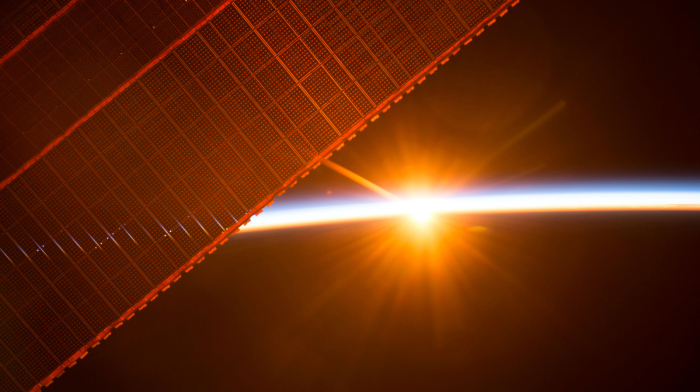
The spacecraft will travel to China's permanently inhabited Tiangong space station, where three astronauts currently reside with no flightworthy vessel that could return them to Earth in the event of an emergency.
"The spacecraft successfully separated from the rocket and entered its planned orbit, the launch mission was a complete success," CMSA said in a statement published on its official WeChat account.
On 5 November, the Shenzhou-20 vessel was meant to return a trio of Chinese astronauts back to Earth but was deemed unfit to fly after the window of its return capsule was cracked by what CMSA suspects was impact from space debris.
After arriving at the station, the spacecraft will remain docked until around April 2026, when it will be used to transport the crew of the Shenzhou-21 back to Earth, the space agency added.

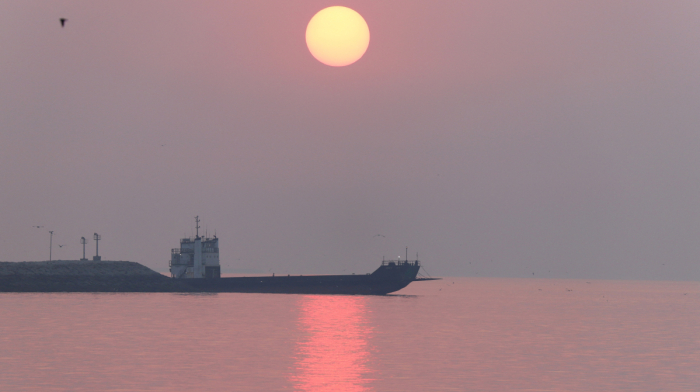
Shipping traffic through the Strait of Hormuz remains limited on Thursday, with no increase in vessel crossings as U.S.-Iran talks to resolve the conflict remained stalled. Nine commodity vessels transited the key waterway on Wednesday, unchanged from the previous day, according to Kpler data.
Shipping through the Strait of Hormuz has slowed, according to the latest data, as uncertainty over the waterway’s reopening kept most shipowners away. Six commodity vessels crossed the strait on Tuesday, down from nine the day before and below the 10-day daily average of 11.
Start your day informed with AnewZ Morning Brief. Here are the top news stories for the 20th of August, covering the latest developments.
Five years after Evergrande's debt crisis rattled global markets, founder Hui Ka Yan has been sentenced to life in prison, marking a dramatic new chapter in the downfall of China's former property giant.
Russian ballistic missile strikes on Ukraine’s capital Kyiv has killed at least sixteen people and injured more than forty others, Ukrainian officials said, with fires reported across the city and Poland activating defensive air operations.
An artificial intelligence agent running an experimental store in San Francisco has recommended dismissing a human employee after the worker repeatedly arrived late for shifts.
Nvidia is teaming up with some of the biggest names in global finance in a move that underscores how artificial intelligence is rapidly becoming one of the world's most sought-after investment themes.
Parts of Europe and the Arctic will briefly fall into darkness on Wednesday, 12 August, as the Moon passes between Earth and the Sun in a total solar eclipse.
Meta said one of its AI models hacked another company's systems during cybersecurity testing, intensifying concerns about how developers can contain increasingly capable AI systems following similar incidents involving Anthropic and OpenAI.
Scientists say the accidental crash of a discarded SpaceX rocket stage into the moon has provided valuable data on impact cratering while posing no threat to Earth or lunar hardware.
You can download the AnewZ application from Play Store and the App Store.
What is your opinion on this topic?
Leave the first comment