Five ways the UN has delivered as world leaders gather in New York
As world leaders gather in New York for the 81st UN General Assembly, the organisation faces wars, displacement, climate pressures and deepening ge...
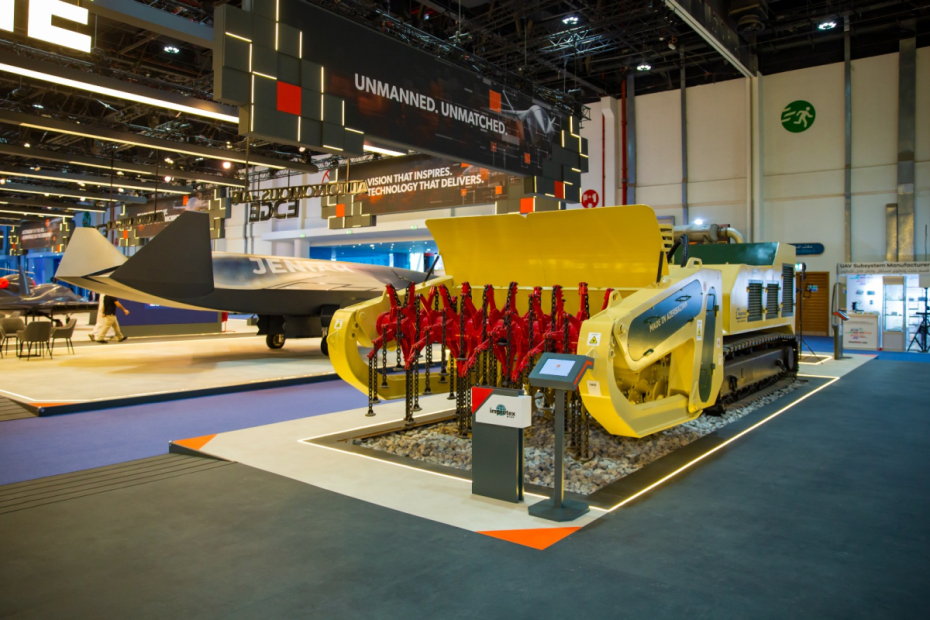
Mine-clearing machines produced in Azerbaijan by ImProtex are being used to support demining operations across the country, as efforts continue to address landmine contamination left by past conflicts.
The robotic systems, which have also been delivered to Ukraine, are designed to improve the safety and speed of mine clearance work by reducing direct human exposure to explosives.
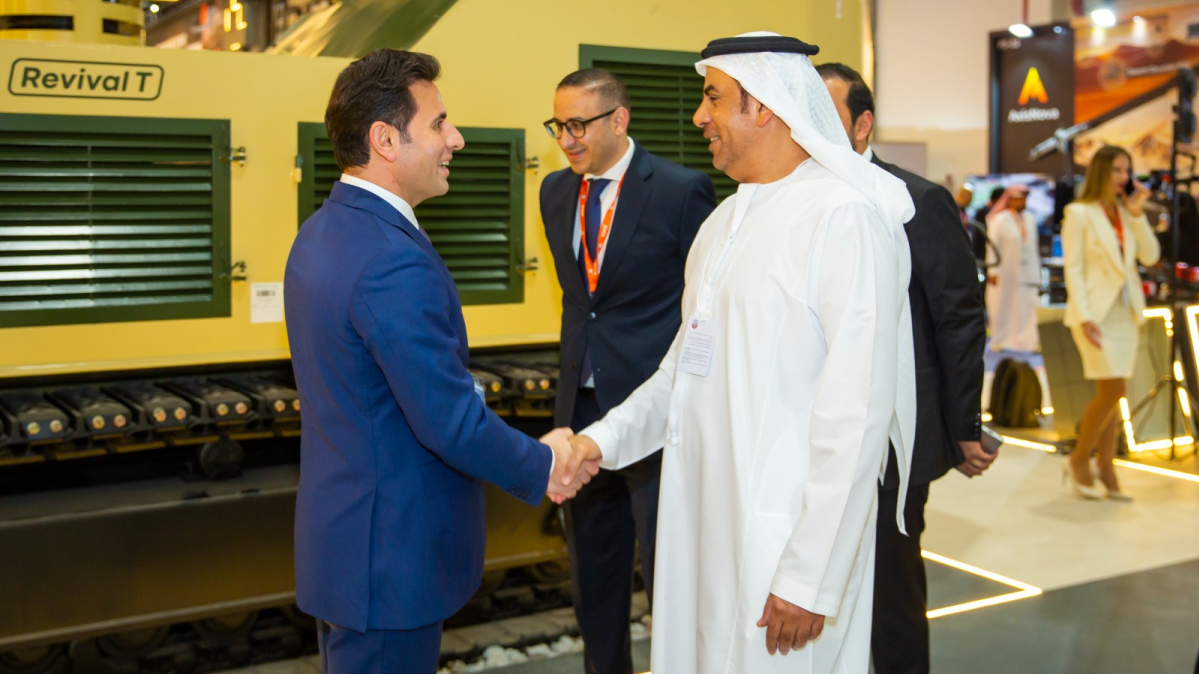
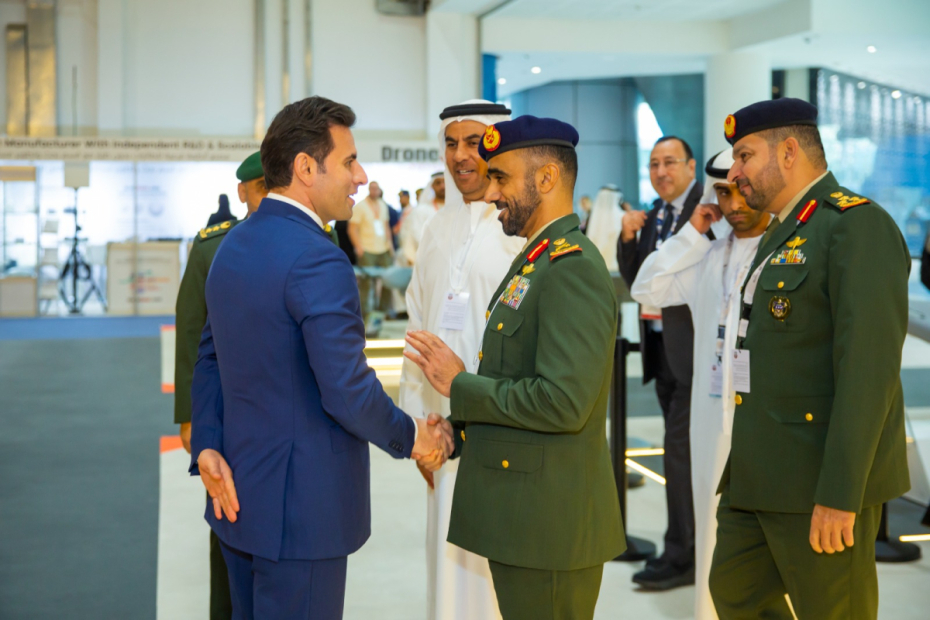
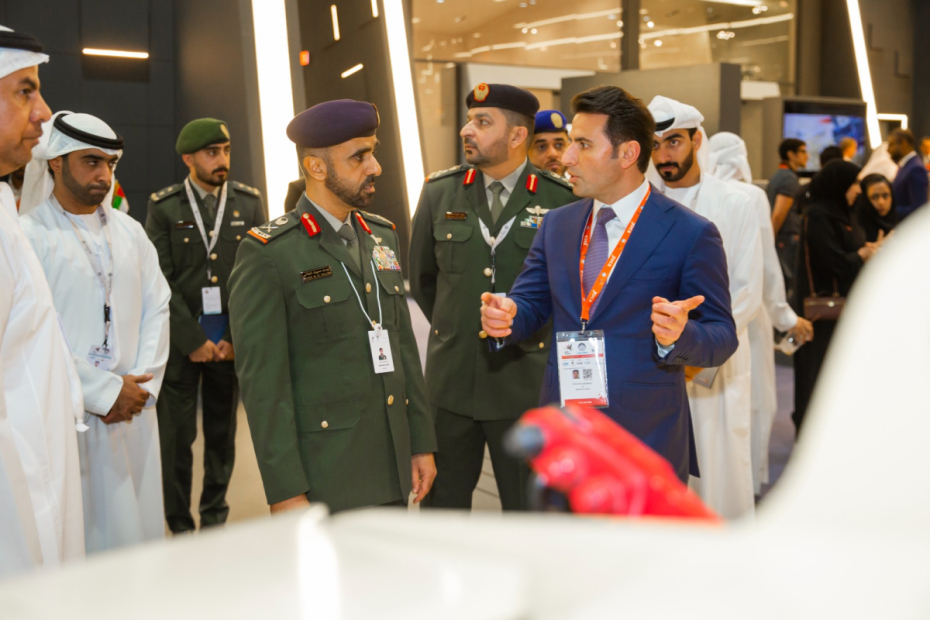
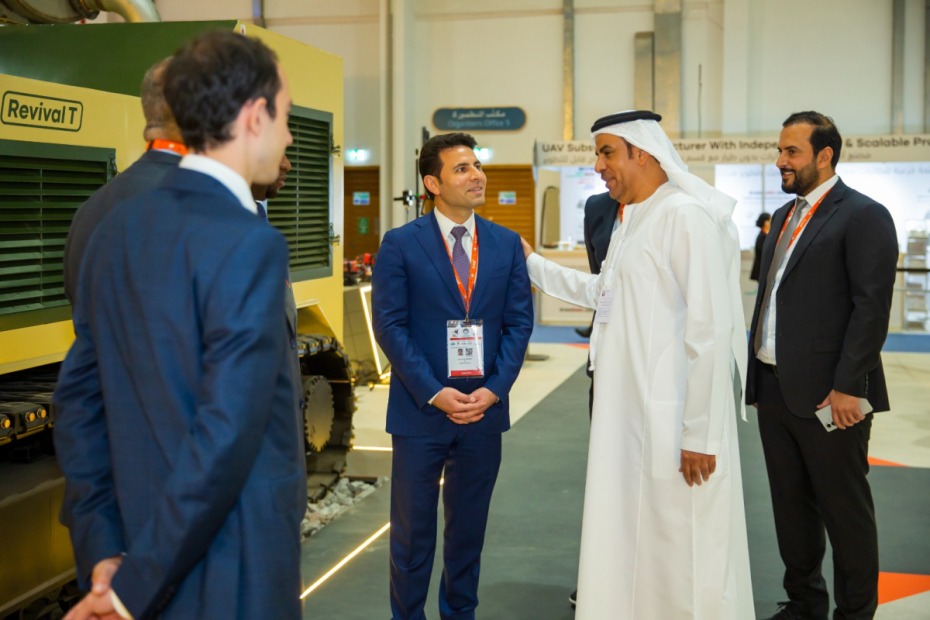
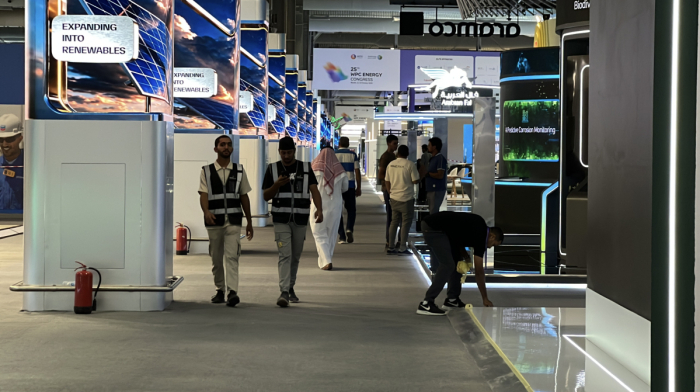
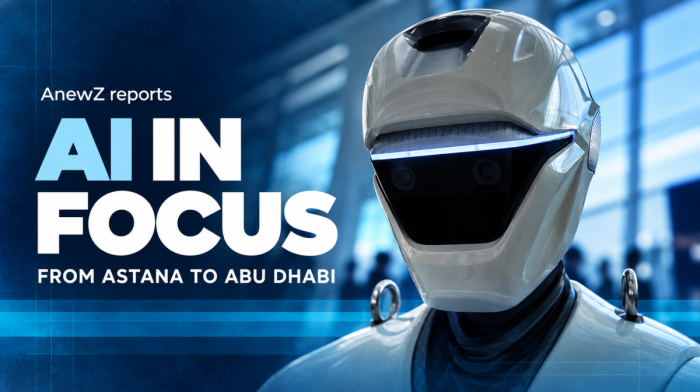
Footage recorded under the framework of ANAMA shows the machines operating in real field conditions, highlighting their role in clearance tasks in contaminated areas. The technology has also been presented internationally, including at the UMEX 2026 exhibition in Abu Dhabi, which focuses on autonomous systems, robotics, artificial intelligence and training simulation.
Revival T was presented during the event, where it was displayed as part of Azerbaijan’s domestically developed mine-clearance technologies. The machine is designed to operate in areas with heavier contamination, including anti-tank mine threats, and is intended for use in demanding terrain during demining operations.
Alongside advances in domestic robotics development, the landmine threat in Azerbaijan remains a major humanitarian concern. Large areas affected by previous fighting continue to pose risks to civilians and slow reconstruction, resettlement and agricultural activity.
According to official data released by ANAMA on 23 December 2025 and updated in early January 2026, Azerbaijan has cleared more than 240,000 hectares of mine-affected land since 2020, neutralising over 227,000 landmines and explosive remnants of war. In 2025 alone, tens of thousands of hectares were declared safe, although significant contamination remains in several districts.
Analysts say locally produced robotic equipment is becoming an increasingly important element of humanitarian demining, supporting post-conflict recovery while improving operational safety and efficiency on the ground.

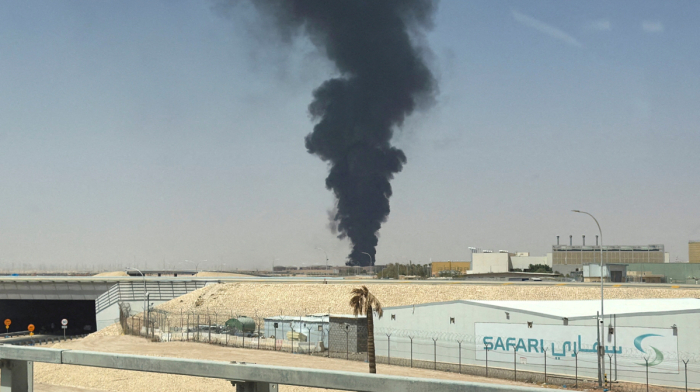
Houthi attacks target Riyadh amid concerns over Saudi oil supplies, as Iran says it will not reopen the Strait of Hormuz until its conditions are met and U.S. commitments are implemented, parliament speaker Mohammad Bagher Ghalibaf said on Sunday.
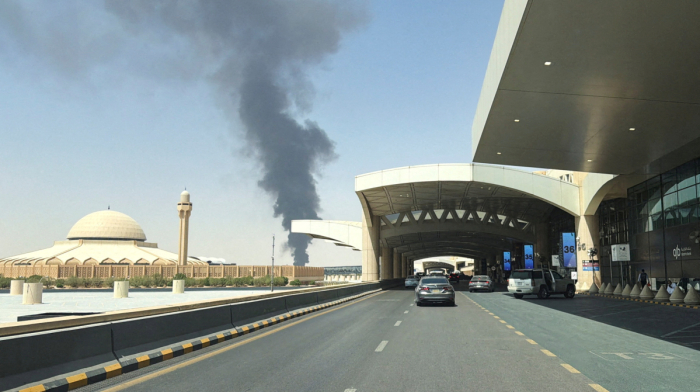
Saudi civil defence sent an all-clear on Saturday after issuing alerts for a second time for potential danger in Riyadh and the city of Al-Kharj east of the capital, amid an uptick in attacks by Iran-aligned Houthis on the Gulf country.
The U.S. State Department approved a $2.7 billion military sale to Ukraine for air-defence development upgrades, along with related equipment and services, the department said. Meanwhile, Ukrainian authorities reported at least 10 people had died in Russian attacks over the last 24 hours.
Iran's military has threatened to launch sustained attacks on U.S. bases and interests across the Middle East if Washington resumes military action against Tehran.
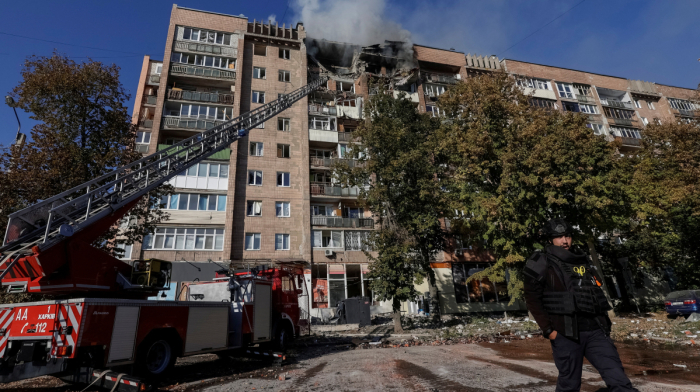
The death toll from an overnight Russian attack on the Kyiv region rose to four, including three children, Kyiv regional authorities said on Sunday. A mother and her two 3-year-old children were killed when a Russian drone strike hit a private home, the emergency service said.
U.S. President Donald Trump announced on Saturday (19 September) the creation of an “AI Force” and plans to appoint an artificial intelligence (AI) czar, while rejecting calls to slow the development of increasingly powerful AI systems.
Google’s Gemini AI model accessed the internet and hacked three companies during a cybersecurity test, in what is believed to be the first known case of the company’s AI systems autonomously carrying out such activity.
Here's your AnewZ Daily Brief for 18 September 2026. These are the top five stories making headlines in the field of science.
French prosecutors have launched a criminal investigation into suspected sexual harassment involving smart glasses, amid mounting global concern over the privacy risks posed by the devices.
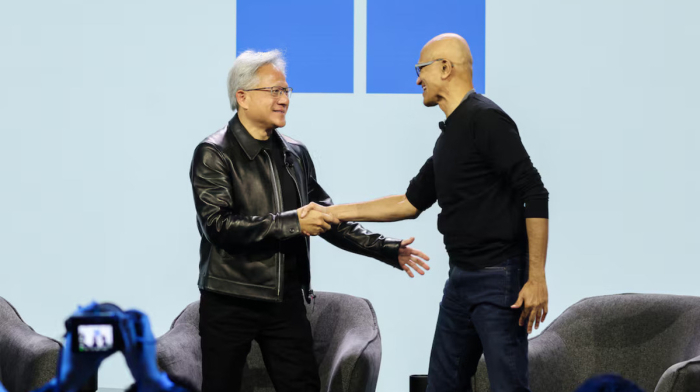
Some of the world’s most powerful technology executives are lobbying U.S. President Donald Trump over artificial intelligence regulation, exposing growing divisions within the industry over how governments should respond to rapidly advancing AI.
You can download the AnewZ application from Play Store and the App Store.
What is your opinion on this topic?
Leave the first comment