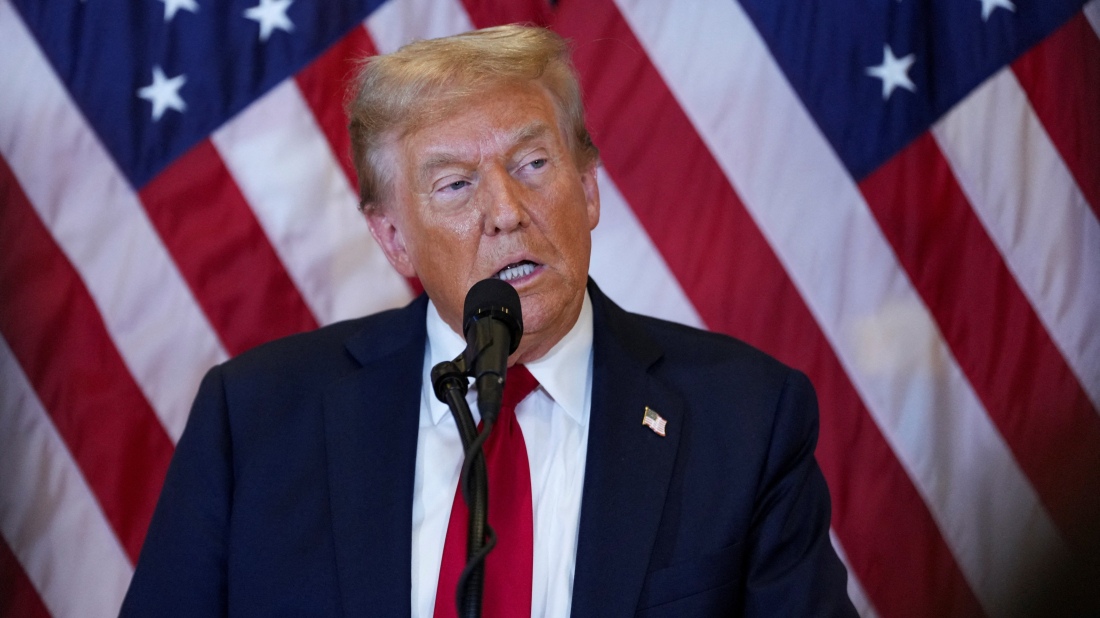
President Donald Trump is preparing to extend the federal deadline for TikTok’s U.S. ban for a third time, as the June 19 cutoff approaches with no finalized deal in sight, according to government officials.
The decision, if confirmed, would mark yet another delay in a prolonged effort to force a sale of the Chinese-owned social media platform to American investors.
The White House has not issued an official announcement, but sources told The New York Post and The Wall Street Journal that Trump is “willing to announce another extension if it has to happen.” This would continue a pattern of postponements that began in January when Trump took office and first intervened in the app's future.
Initially set to take effect on January 19, the ban was delayed by 75 days, with a second 75-day extension announced on April 4. Negotiations between ByteDance, TikTok’s parent company, and a group of potential U.S. buyers—reportedly led by Oracle—have remained deadlocked amid mounting trade tensions between Washington and Beijing.
In May, Trump told NBC’s Meet the Press, “Perhaps I shouldn’t say this, but I have a little warm spot in my heart for TikTok,” noting the app’s popularity among younger voters who have played a role in his political base.
Trade and national security tensions cloud deal
The potential TikTok sale has become entangled with broader U.S.-China trade issues. Trump’s imposition of “Liberation Day” tariffs in April, raising duties on Chinese imports from 20% to 54%, drew swift retaliation from Beijing, which levied a 34% tariff on U.S. goods. The escalating trade conflict has complicated efforts to finalize TikTok’s transfer to American ownership.
ByteDance acknowledged the impasse in a statement posted to Chinese social media platform WeChat, saying: “We are still in talks with the U.S. government, but no agreement has been reached and the two sides still have differences on many key issues.”
A Wall Street banker involved in negotiations said Trump might allow TikTok to “go dark” if doing so strengthens his leverage in trade talks with China.
Legal gray zone and mounting pressure
Legal experts remain divided on the president’s authority to continue delaying or enforcing a TikTok ban. Ben Sperry of the International Center for Law & Economics told reporters the executive orders fall into a “gray area,” especially under the 2024 Protecting Americans from Foreign Adversary Controlled Applications Act, which restricts U.S. companies from maintaining or distributing apps tied to foreign adversaries, including ByteDance.
Despite bipartisan support for the legislation, enforcement has lagged amid political and economic pressures. Oracle, led by Trump ally Larry Ellison, is expected to be central to any future acquisition of TikTok’s U.S. operations, but no deal has been finalized.
As the June 19 deadline looms, all eyes are on whether the White House will issue another formal extension—or escalate pressure on ByteDance in what has become a flashpoint in U.S.-China relations and digital sovereignty.














What is your opinion on this topic?
Leave the first comment