China's emissions data shows bigger drop than previously reported
China’s carbon emissions grew far less than previously thought over the past five years, according to a new analysis that is drawing close attention...
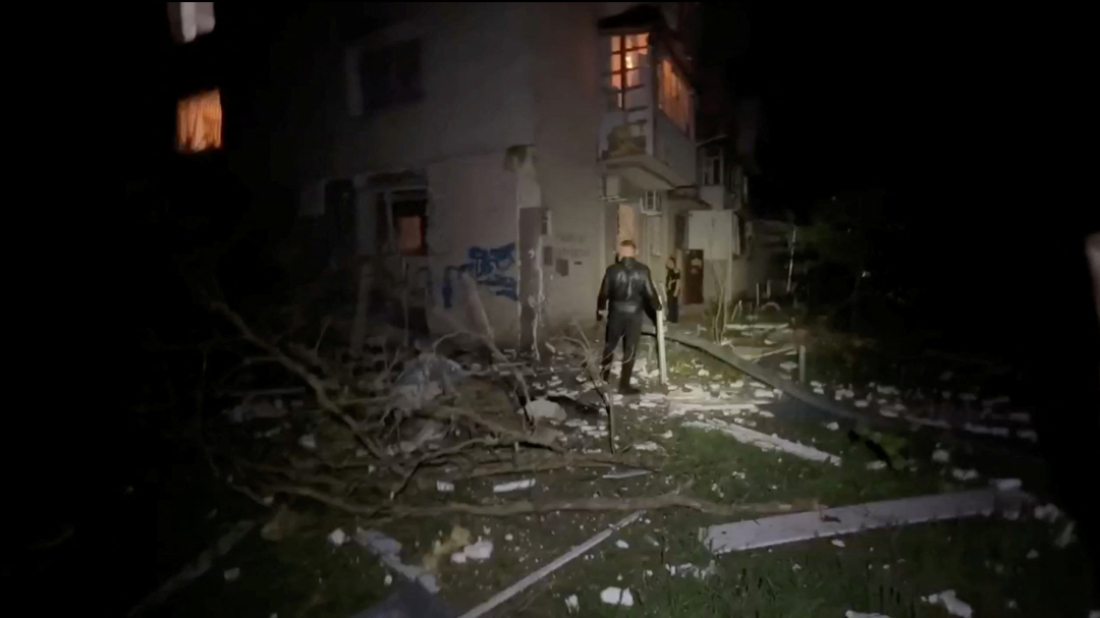
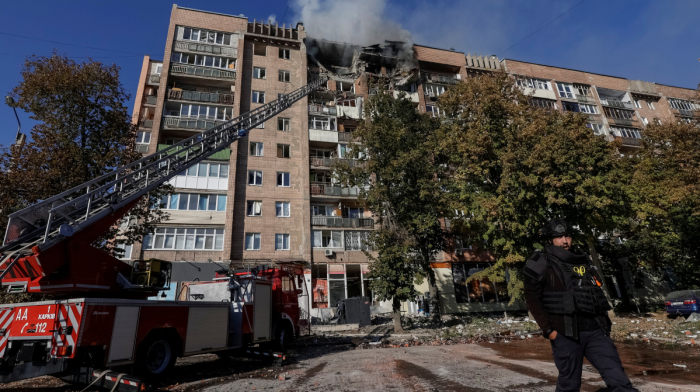
A mass overnight drone attack by Russian forces struck residential areas of Ukraine’s southern port city of Odesa, setting homes ablaze and damaging buildings in a densely populated neighbourhood, Ukrainian officials said on Tuesday.
“The enemy targeted a residential area,” Odesa Mayor Hennadiy Trukhanov said, posting images of flames engulfing a multi-storey apartment block and shattered window frames. The strike, he added, was aimed at “a densely populated district,” marking one of the most serious hits on Odesa’s civilian infrastructure in recent weeks.
Regional Governor Oleh Kiper confirmed that dwellings, an educational institution, civilian infrastructure, and vehicles had been damaged. Emergency services were deployed to the scene, and the number of casualties was still being determined, he said.
Odesa, located on the Black Sea and home to three major ports, has long been a key target in Russia’s campaign. The region’s strategic role in Ukraine’s grain exports and its connection to international shipping routes have made it a focal point since the start of the full-scale war in 2022.
Russian attacks have intensified in recent days, despite ongoing international efforts to de-escalate the conflict. Tuesday’s drone strike comes just hours after Ukrainian officials warned of renewed risks to urban centres amid shifting military activity along the front lines.
Authorities have not yet confirmed the number of injuries or fatalities, but residents reported multiple explosions and fires overnight, with firefighting teams still working at dawn.
As Odesa wakes to assess the damage, the attack serves as another reminder of the war’s cost far from the battlefield — in the homes, schools, and streets of Ukraine’s cities.

Start your day informed with the AnewZ Morning Brief. Here are the top stories for 26 May, covering the latest developments you need to know.
Dozens of people were killed in Israeli strikes on Lebanon on Tuesday, Lebanese officials said, straining a fragile ceasefire agreed between the countries in April. The attacks came as Iran accused the U.S. of violating a separate ceasefire with strikes near the Strait of Hormuz.
Chinese investigators have uncovered hidden tunnels, missing worker trackers and fake underground walls during an initial investigation into the country’s deadliest mining disaster in more than 15 years.
The new AnewZ documentary, TARGET: Yerevan, builds its explosive case on exclusive, secret recordings originally published by Minval Politika.
The visit by U.S. Secretary of State Marco Rubio to Armenia marks one of the clearest signs yet of Washington’s growing interest in the South Caucasus.
China’s carbon emissions grew far less than previously thought over the past five years, according to a new analysis that is drawing close attention from climate researchers worldwide.
Bolivia’s President Rodrigo Paz has taken steps towards potentially declaring a state of emergency as anti-government protests intensify in the early months of his administration.
Norway is set to come under France’s nuclear umbrella, marking a significant shift in European security arrangements as concerns grow over the United States’ long-term commitment to the region.
Britain has announced fresh sanctions targeting cryptocurrency exchanges, financial networks and banks accused of helping Russia evade Western restrictions imposed after the invasion of Ukraine.
Muslims around the world have marked Eid al-Adha with prayers, celebrations and acts of charity, though for many Palestinians the holiday unfolded amid conflict, restrictions and loss.
You can download the AnewZ application from Play Store and the App Store.
What is your opinion on this topic?
Leave the first comment