Cuba says no talks yet with U.S., open to dialogue if conditions met
Cuba’s Deputy Foreign Minister Carlos Fernández de Cossío has denied that Havana and Washington have entered formal negotiations, countering recen...
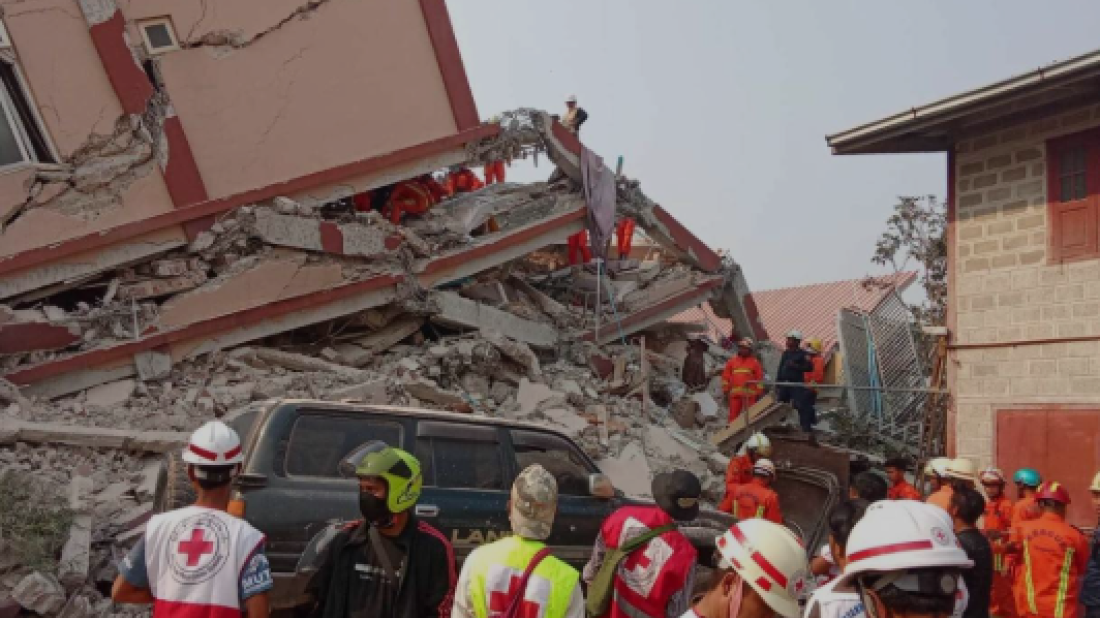
The IFRC has received only 10% of its $122 million emergency appeal for Myanmar’s earthquake recovery, raising alarm as thousands remain homeless and vulnerable ahead of monsoon season.
The International Federation of Red Cross and Red Crescent Societies (IFRC) said on Thursday that it has received only a small portion of its emergency appeal for 100 million Swiss francs ($122.4 million) to support recovery efforts following last month’s devastating earthquake in Myanmar.
The 7.7-magnitude quake, which struck on March 28 and is among the strongest to hit Myanmar in a century, killed over 3,600 people, destroyed entire communities, and left thousands without access to basic necessities such as food, water, and shelter.
“Only 10% of our appeal has been funded—far less than we anticipated. It’s nowhere near enough,” said Alexander Matheou, IFRC’s regional director, speaking to Reuters via video link from Mandalay.
The organization attributed the shortfall to a general decline in international aid, compounded by reduced U.S. funding under President Donald Trump’s administration.
“We now have around 200,000 people living on the streets because it’s unsafe to return to their homes. They urgently need shelter, food, clean water, and sanitation,” Matheou explained.
He also noted extensive destruction, including to homes, entire streets, and important cultural sites such as temples, mosques, and churches.
The IFRC reported more than 400 aftershocks in the 10 days following the quake, forcing thousands to sleep outdoors out of fear that damaged buildings could collapse. The looming monsoon season is expected to worsen conditions further.
The earthquake hit at a particularly fragile time for Myanmar, already reeling from four years of military rule and ongoing civil conflict that have severely weakened infrastructure and displaced millions.
According to the country’s military, 3,645 people were killed, 5,017 injured, and 148 remain missing. Nearly 49,000 homes and over 2,100 government buildings were destroyed.

Heavy snow continued to batter northern and western Japan on Saturday (31 January) leaving cities buried under record levels of snowfall and prompting warnings from authorities. Aomori city in northern Japan recorded 167 centimetres of snow by Friday - the highest January total since 1945.
The United States accused Cuba of interfering with the work of its top diplomat in Havana on Sunday (1 February) after small groups of Cubans jeered at him during meetings with residents and church representatives.
A daylight robbery at a jewellery shop in Richmond, one of London’s most affluent and traditionally quiet districts, has heightened security concerns among residents and local businesses.
Talks with the U.S. should be pursued to secure national interests as long as "threats and unreasonable expectations" are avoided, President Masoud Pezeshkian posted on X on Tuesday (3 February).
Early voting for Thailand’s parliamentary elections began on Sunday (1 February), with more than two million eligible voters casting ballots nationwide ahead of the 8 February general election, as authorities acknowledged errors and irregularities at some polling stations.
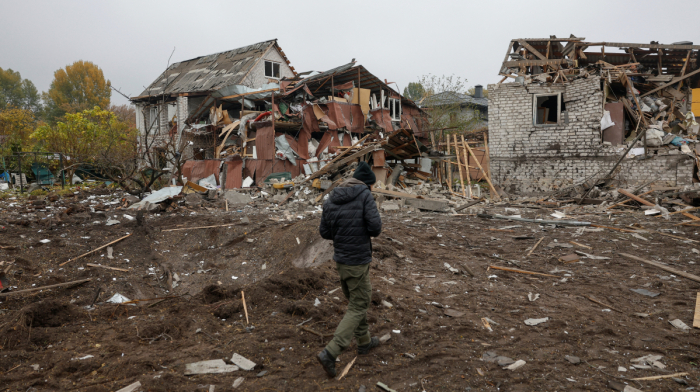
NATO Secretary General Mark Rutte on Tuesday inspected a thermal power plant in Kyiv that was damaged during overnight Russian attacks, as Ukraine accused Moscow of exploiting an energy truce to intensify its military campaign.
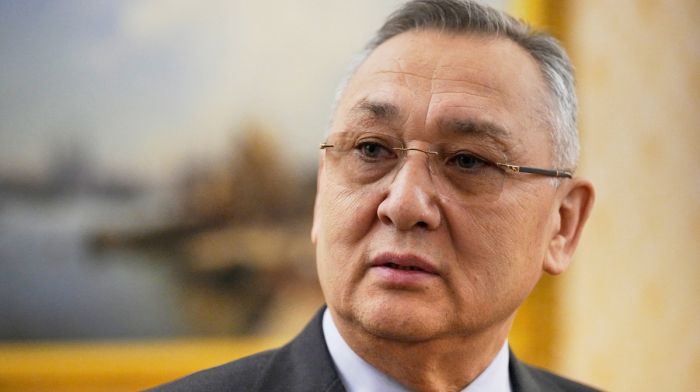
Cuba’s Deputy Foreign Minister Carlos Fernández de Cossío has denied that Havana and Washington have entered formal negotiations, countering recent assertions by U.S. President Donald Trump, while saying the island is open to dialogue under certain conditions.
The imminent expiry of New START, the last major nuclear arms control treaty between the United States and Russia, risks removing transparency, predictability and limits on the world’s two largest nuclear arsenals, political analyst Gregory Mathieu warned.
India has not made any statement on halting purchases of Russian oil despite claims by US President Donald Trump that such a step was part of a new trade accord with Washington, the Kremlin said on Tuesday (3 February).
Russia says it is prepared for a new reality in which there are no U.S.-Russian nuclear arms control limits once the New START treaty expires this week, according to Deputy Foreign Minister Sergei Ryabkov.
You can download the AnewZ application from Play Store and the App Store.
What is your opinion on this topic?
Leave the first comment