AnewZ Morning Brief - 15 March, 2026
Start your day informed with AnewZ Morning Brief. Here are the top news stories for the 15 March, covering the lat...
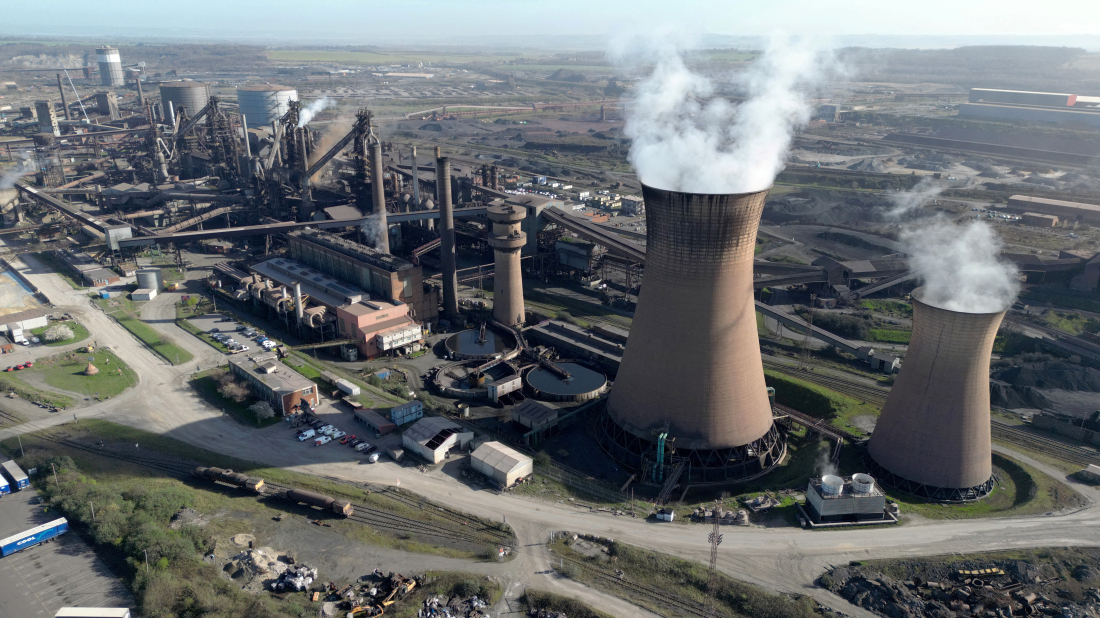
The UK government has taken control of British Steel’s Scunthorpe plant in a bid to save the country’s last major steelmaking site.
The U.K. government has effectively taken control of Britain’s last remaining factory that produces steel from scratch, seizing it from its Chinese owners following an emergency rescue approved by lawmakers.
British Steel’s Chinese parent company, Jingye Group, had warned that the Scunthorpe plant was losing £700,000 a day due to tough market conditions and rising environmental costs.
Prime Minister Keir Starmer convened lawmakers for a rare emergency session — only the sixth since World War II — to pass legislation aimed at preventing Jingye from shutting down the plant’s two blast furnaces, which are crucial to steel production.
The bill, which became law after receiving royal assent from King Charles III, grants Business Secretary Jonathan Reynolds the authority to direct the company’s board and workforce, guarantee wages for its 3,000 employees, and secure raw materials to keep the blast furnaces operating.

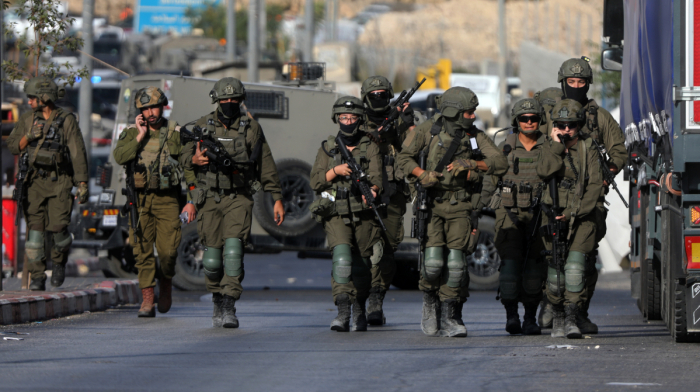
Israeli Prime Minister Benjamin Netanyahu issued veiled threats to Iran’s new Supreme Leader, Mojtaba Khamenei, and Hezbollah on Thursday (12 March), during his first press conference since the conflict with Iran began.
A long-running investigation has suggested that the street artist known as Banksy may be legally named David Jones. A report indicates that Jones was previously known as Robin Gunningham, a name long associated with Banksy, before legally changing his name several years ago.
Israel and Iran continued to exchange strikes on Friday (13 March), as the U.S. and French militaries reported deaths in Iraq, and the U.N. launched a $325 million appeal to help Lebanon, where a seventh of the population have left their homes since fighting began.
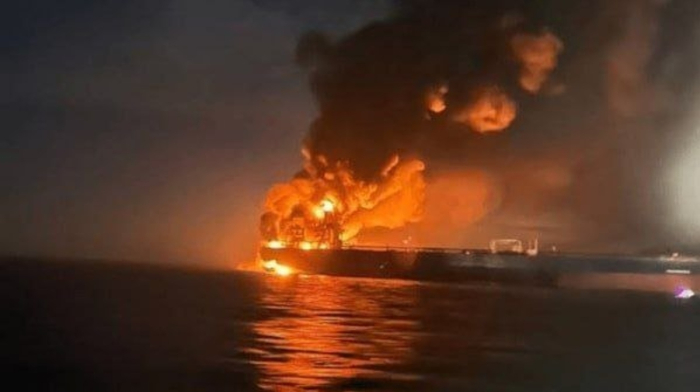
A widening conflict involving Iran, the United States and Israel has triggered escalating military strikes across the Middle East, disrupted shipping through the strategic Strait of Hormuz and raised concerns over global energy supplies. This live report tracks the latest developments.
North Korea fired what appeared to be a ballistic missile on Saturday (14 March), Japanese and South Korean officials said. The development comes amid the joint annual U.S.-South Korea "Freedom Shield" military drills and South Korean Prime Minister Kim Min-seok's visit to Washington.
Start your day informed with AnewZ Morning Brief. Here are the top news stories for the 15 March, covering the latest developments you need to know.
Top U.S. and Chinese economic officials are set to launch a new round of talks in Paris on Sunday (15 March) to resolve issues in their trade truce. The discussions aim to smooth the way for U.S. President Donald Trump’s visit to Beijing to meet Chinese President Xi Jinping at the end of March.
Kremlin spokesman Dmitry Peskov said on Saturday (14 March) that many countries are interested in purchasing Russian oil after the United States temporarily eased sanctions on certain exports.
An explosion lightly damaged a Jewish school in Amsterdam early on Saturday (14 March) in what the city’s mayor described as “a deliberate attack against the Jewish community.”
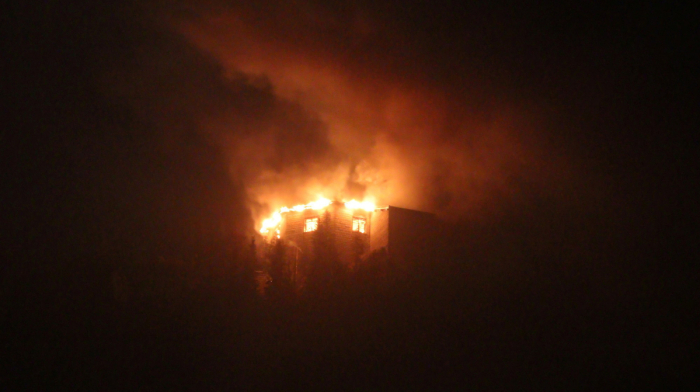
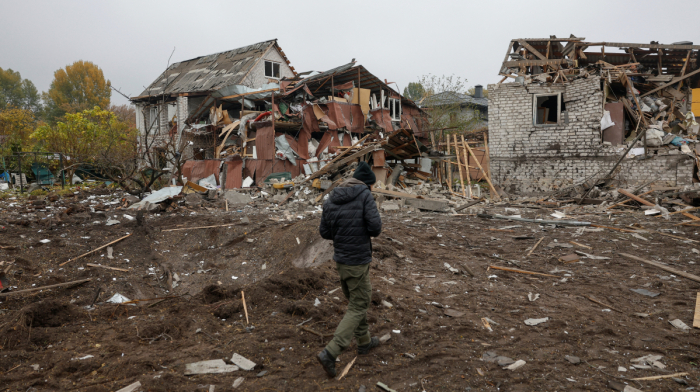
Ukrainian drones struck an oil refinery and a key port in Russia’s southern Krasnodar region overnight (13-14 March), local authorities said, causing injuries and damage. In separate action, Russian air attacks on Ukrainian territory killed and wounded civilians near Kyiv, officials reported.
You can download the AnewZ application from Play Store and the App Store.
What is your opinion on this topic?
Leave the first comment