Afghanistan strikes Pakistani border posts in retaliation, says Taliban
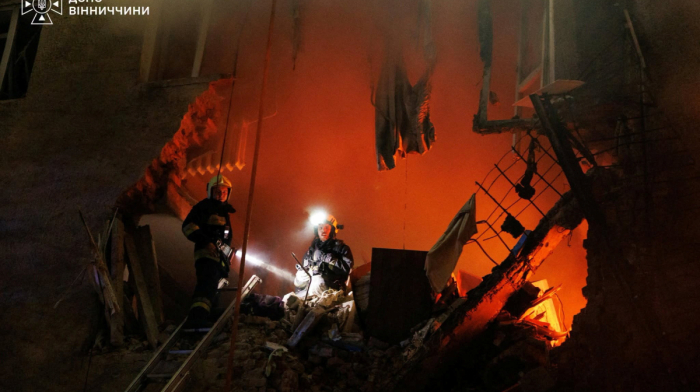
Afghanistan attacked Pakistani military positions along the border late on Thursday (26 February) in retaliation for Pakistani airstrikes, the Taliban...
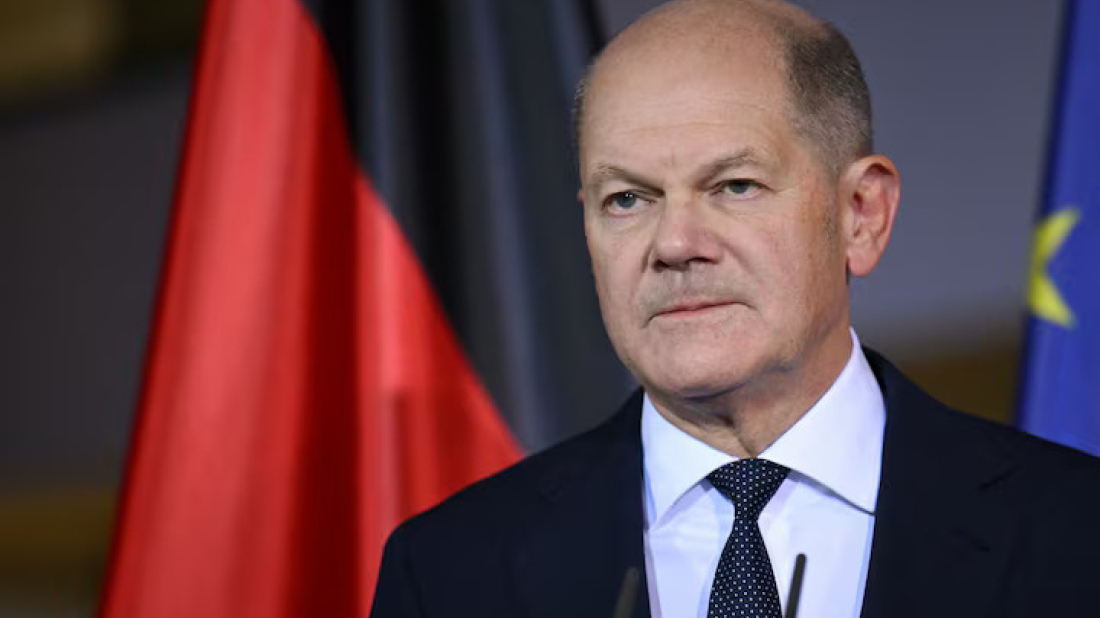
Germany’s coalition government collapsed over budget disputes, sparking political turmoil. Opposition leader Friedrich Merz urges an immediate confidence vote, while Chancellor Scholz plans a vote in January, leading to elections by March.
Germany is in political turmoil after Chancellor Olaf Scholz’s three-way coalition collapsed over disagreements on how to address a multi-billion-euro budget gap and revive the economy.
The coalition, made up of Scholz’s SPD, the Green Party, and the FDP, fell apart when Scholz fired Finance Minister Christian Lindner from the FDP for opposing his plan to suspend Germany’s debt rules to raise funds for Ukraine. The FDP then withdrew from the government, leaving the SPD and Greens without a majority.
Opposition leader Friedrich Merz has called for a confidence vote immediately, warning that the country cannot afford months of political uncertainty.
Scholz plans to hold the vote in January, which is expected to fail, triggering elections by March—six months ahead of the original September timeline. Some analysts suggest early elections could provide clearer policy direction and end the political paralysis.
In the interim, Scholz appointed Joerg Kukies, an SPD ally, as the new finance minister. However, it remains unclear if his appointment will stabilize the government.

A F-16 fighter jet of the Turkish Air Force crashed near a highway in western Türkiye early on Wednesday (25 February), killing its pilot, officials and media reports confirmed.
Newcastle United secured a 3–2 victory over Qarabağ FK in the return leg of the UEFA Champions League play-offs at St James’ Park.
Chinese President Xi Jinping and German Chancellor Friedrich Merz agreed on Wednesday in Beijing to strengthen economic cooperation while addressing trade imbalances, market access concerns, and the war in Ukraine, during Merz’s first official visit to China since taking office.
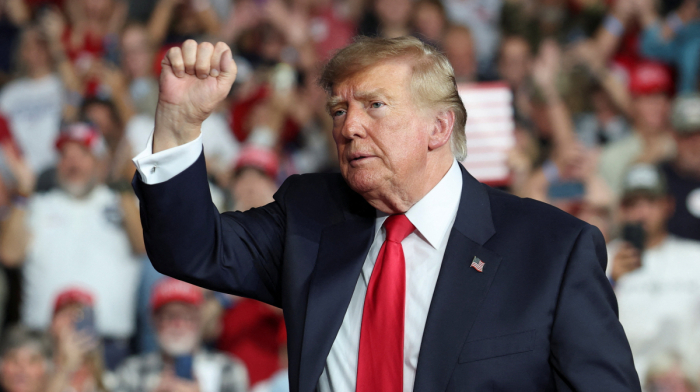
U.S. President Donald Trump declared a “golden age” for America in his first second-term State of the Union on Tuesday evening, delivering the longest-ever address at more than 90 minutes. Here are the main takeaways.
President Donald Trump delivered the first State of the Union address of his second term to Congress on Wednesday (25 February), declaring that America’s “golden age” had begun and that the country was experiencing a “turnaround for the ages.”
Former U.S. Secretary of State Hillary Clinton said on Thursday (26 February) that she had no information about the criminal activities of Jeffrey Epstein and urged lawmakers to question President Donald Trump under oath about the disgraced financier.
Denmark will hold a parliamentary election on 24 March, Prime Minister Mette Frederiksen announced on Thursday (26 February), as she seeks to capitalise on a surge in support for her defiant stance against U.S. pressure over Greenland.
Russian President Vladimir Putin’s special envoy, Kirill Dmitriev, arrived in Geneva and may hold talks with U.S. officials, according to the RIA news agency.
U.S. Department of Justice (DOJ) documents have revealed the late Jeffrey Epstein’s extensive connections across politics, business and academia, prompting resignations, investigations and renewed public scrutiny of his influence.
The president and chief executive of the World Economic Forum (WEF), Børge Brende, announced on Thursday (26 February) that he is stepping down, weeks after the organisation launched an independent investigation into his relationship with convicted sex offender Jeffrey Epstein.
You can download the AnewZ application from Play Store and the App Store.
What is your opinion on this topic?
Leave the first comment