Tensions are rising in Panama following U.S. President Donald Trump’s remarks about retaking control of the Panama Canal. As U.S. Secretary of State Marco Rubio visited the country, protesters took to the streets, rejecting what they call a threat to Panama’s sovereignty.
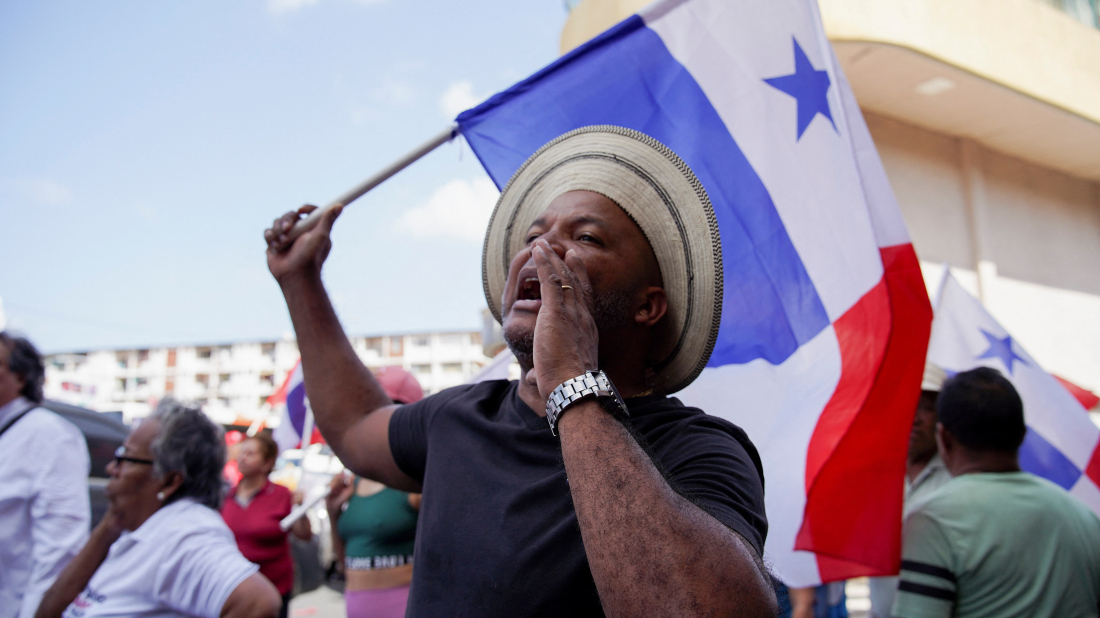
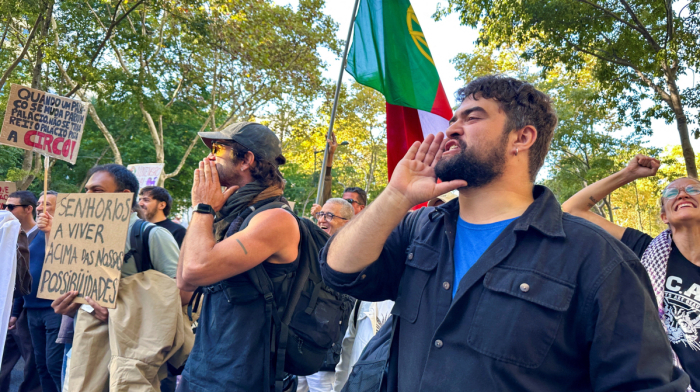
Mass protests broke out in Panama City as U.S. Secretary of State Marco Rubio met with President Raúl Mulino. Demonstrators burned posters of Trump and Rubio, calling for an end to U.S. interference.
Union leaders and activists accused President Donald Trump of pushing for a takeover of the Panama Canal, citing his recent statements that China’s presence in the region posed a national security threat to the United States.
Union leader and protester Saúl Méndez spoke out, saying, "He wants to annex Canada, invade Mexico, take the canal, and rip Greenland away from Denmark. Trump is looking for World War III."
In response, President Raúl Mulino emphasized Panama's sovereignty, stating, “There is no doubt that the canal is operated by our country and it will continue to be. I don't think there has been disagreement on that. President Trump has his opinion on the presence of China, which will be clarified in due course in the technical instances of the canal."
While in the U.S., President Trump told reporters at Joint Base Andrews that he did not believe U.S. troops would be necessary in Panama but reiterated his threats about the canal. "China is running the Panama Canal. That was not given to China, that was given to Panama—foolishly—but they violated the agreement, and we’re going to take it back, or something very powerful is going to happen," Trump said.
At a Senate hearing last week, U.S. officials suggested imposing fines and restrictions on Panamanian-flagged vessels entering U.S. ports as a pressure tactic to curb Panama’s relations with China.
Despite this, President Mulino reaffirmed Panama's control, stating firmly that Panama would not renegotiate its authority over the world’s second-busiest waterway: "Panama will maintain its sovereignty over the canal," he asserted, dismissing foreign influence claims.
Meanwhile, the U.S. and Panama reached agreements on migration policies, including expanding repatriation programs for migrants traveling through the Darién Gap. These programs are part of broader efforts to manage the flow of migrants from South America to the U.S.
Despite diplomatic efforts, the dispute over the Panama Canal remains unresolved, fueling concerns about worsening U.S.-Panama relations. Both nations continue to engage in talks, but tensions remain high, especially as Panama seeks to maintain its independence from external pressures regarding the canal.











What is your opinion on this topic?
Leave the first comment