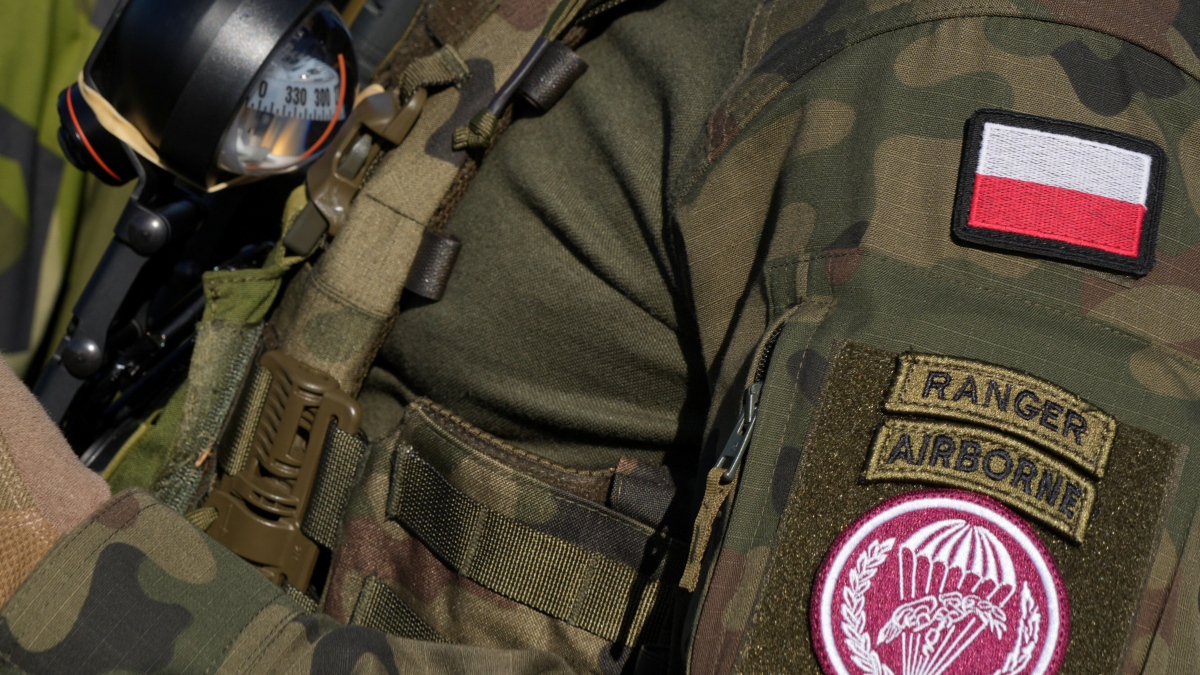
Poland has signed an agreement to strengthen the security of its national power grid, enlisting the armed forces to help safeguard key infrastructure against potential drone attacks and sabotage.
The deal, formalised on Wednesday, will see the Polish military and the Polish Power Grid (PSE) collaborate on joint training exercises, share expertise, and provide assistance in acquiring protective equipment such as anti-drone systems. The agreement aims to ensure critical facilities, including over 110 transformer stations and more than 16,000 kilometres of high-voltage lines, remain secure amid rising security concerns.
Speaking at the signing, General Wieslaw Kukula, Chief of the General Staff of the Polish Armed Forces, said:
"Today we decided to bring together these two worlds — resilience and the capabilities of the armed forces — by codifying cooperation between the Polish power grid and the armed forces."
Defence Minister Wladyslaw Kosiniak-Kamysz highlighted that the cooperation would also draw on military experience gained in Ukraine. The Power Grid CEO, Grzegorz Onichimowski, noted the importance of protecting infrastructure along Poland’s connections with neighbouring countries, including Lithuania, and ensuring the grid’s role in synchronising energy networks across the Baltic states.
The initiative comes after a series of security incidents, including drone incursions and a railway explosion, which Warsaw has attributed to Russian “state terrorism,” though Moscow denies any involvement. These events have underscored the challenges of defending the country’s extensive electricity network.
Poland has also been seeking European Union support to further strengthen the resilience of its grid infrastructure. The new agreement marks the next step in bolstering national energy security, combining military expertise with technical and operational knowledge from PSE.
Joint exercises under the agreement will allow the military to safely operate within grid infrastructure while also coordinating with PSE teams on potential threats. The cooperation will also ensure that connection permits for renewable energy projects, such as wind farms, are aligned with military safety considerations.
This enhanced collaboration is part of Poland’s ongoing efforts to protect critical infrastructure as a NATO member and key ally of Ukraine in its defence against Russian aggression.



















What is your opinion on this topic?
Leave the first comment