Zelenskyy says wartime elections would 'destroy' Ukraine
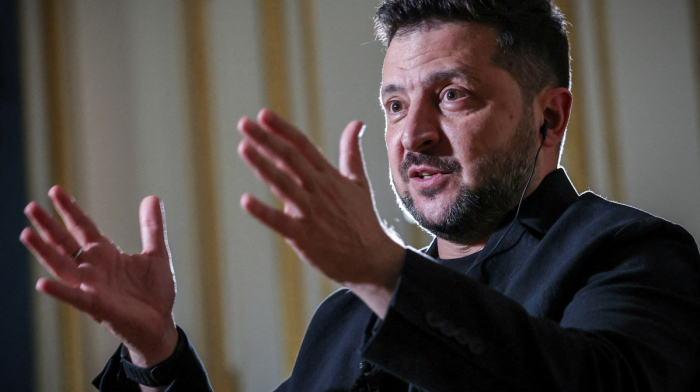
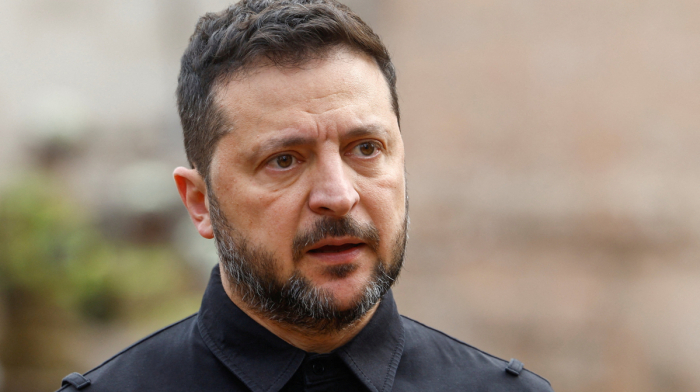
Ukrainian President Volodymyr Zelenskyy has rejected calls for a wartime election, arguing that holding a vote while Russia's full-scale invasi...
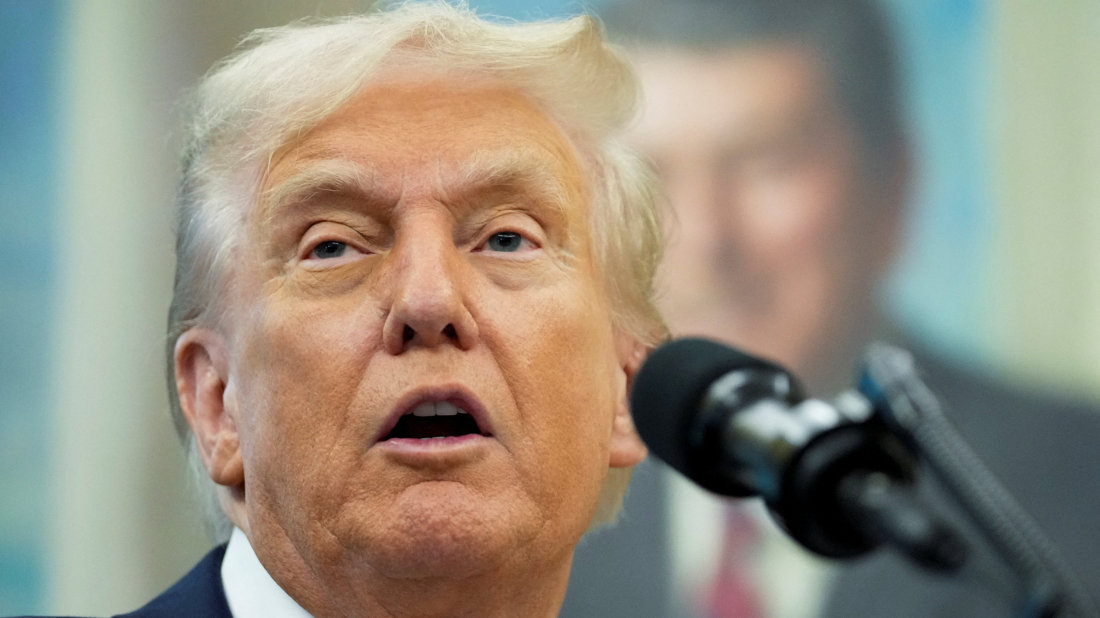
President Donald Trump on Tuesday announced a landmark agreement with Pfizer to offer significant discounts on a range of prescription medications in the United States.
Speaking from the Oval Office, Trump said the deal will make some of Pfizer’s “most popular” medicines available to all Americans at prices reduced by 50% to 100% through a federal government-operated website and direct online purchases.
The agreement stems from the “most favoured nation” drug pricing model introduced earlier this year. Trump indicated that other pharmaceutical companies are expected to follow suit in the coming weeks. He also warned that firms failing to lower prices could face tariffs equivalent to the cost difference.
Pfizer CEO Albert Bourla described the announcement as a “historic day,” saying the deal reverses an “unfair situation” and puts American patients first. Bourla added that Pfizer plans to invest $70 billion in manufacturing and research within the US over the coming years, aiming to expand development of cancer treatments, obesity medicines, vaccines, and other essential drugs.
“This is a historic moment for patients and for the future of healthcare in America,” Bourla said, highlighting the company’s commitment to boosting domestic production and research.
The Trump administration described the agreement as a major step in lowering drug costs and increasing access to essential medications for Americans nationwide.

Iran on Saturday denounced U.S. plans to announce new sanctions that could put further strain on the Islamic Republic's economy and have an impact on its most important trading partners including China.
A large-scale drone attack has hit Russia's Samara region, damaging facilities and disrupting operations at an Ozon logistics complex, according to regional authorities and the company.
Ukrainian President Volodymyr Zelenskyy has rejected calls for a wartime election, arguing that holding a vote while Russia's full-scale invasion continues would divide the country and undermine national unity.
U.S. President Donald Trump said Iran was not ready to make what he called the "right deal" with Washington as tensions persisted over the war and the Strait of Hormuz.
Start your day informed with AnewZ Morning Brief. Here are the top news stories for the 22nd of August, covering the latest developments.
Icelanders will vote on Saturday, 29 August, on whether to begin negotiations with the European Union, in a referendum that could reopen the country’s long-debated membership question.
At least 30 people have been killed after a massive landfill collapsed onto homes in Guinea's capital, Conakry, following heavy overnight rainfall that triggered a deadly landslide of waste in one of the city's densely populated districts.
Canada has rejected a proposed trade agreement with the United States after negotiations broke down over what Ottawa described as a series of last-minute demands that would have disproportionately favoured Washington and undermined Canadian economic interests.
The Democratic Republic of Congo is set to receive 70,000 doses of the Ebola vaccine Ervebo as health authorities race to contain what has become the country's largest Ebola outbreak on record.
Kazakhstanis went to the polls on Sunday in a snap parliamentary election held under the country’s new constitutional system, which replaces the former two-chamber parliament with a single 145-seat legislature known as the Kurultai.
You can download the AnewZ application from Play Store and the App Store.
What is your opinion on this topic?
Leave the first comment