Daily Brief: The latest in science and technology
Here's your AnewZ Daily Brief for 13 October 2026 with the top five science and technology news happening around the world.
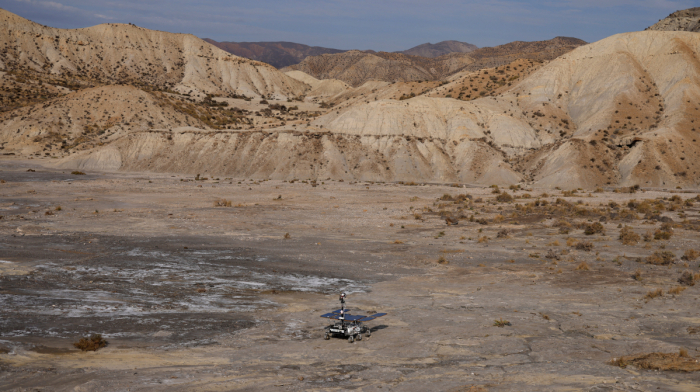
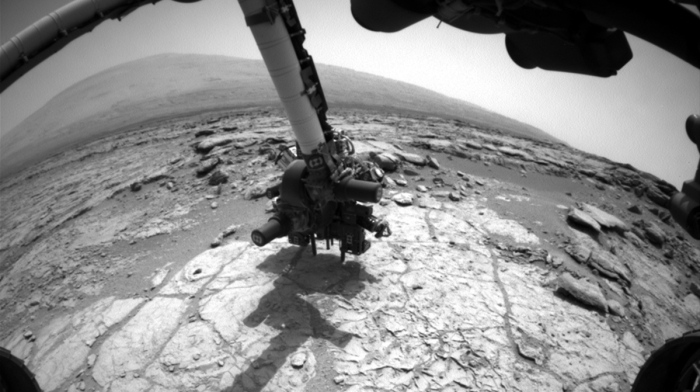
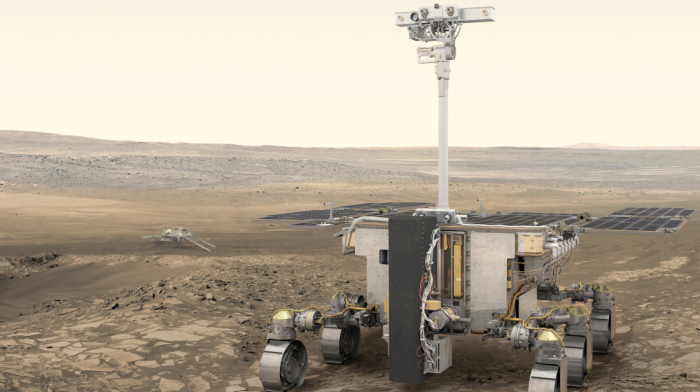
The European Space Agency (ESA), Airbus and European partners have put a six-wheeled Mars rover prototype through its paces in Spain’s Tabernas desert, simulating conditions expected on a future mission to the Red Planet.
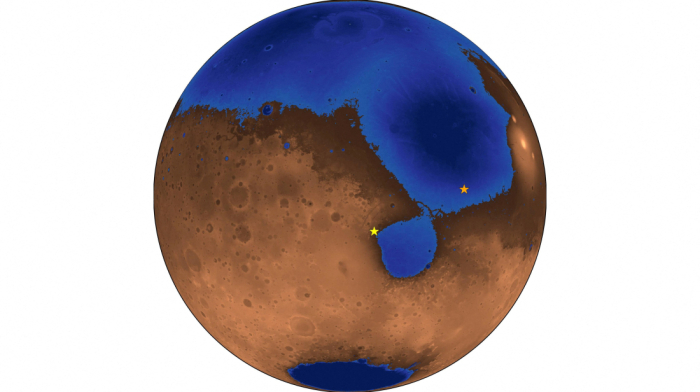
China has announced plans to complete the world's first AI-driven geological map of Mars by the end of 2028, a project that aims to reconstruct the red planet's ancient water history and introduce a Chinese framework for Martian geological time that Beijing hopes will become a new global standard.
NASA announced on Tuesday it has cancelled plans to deploy a space station in lunar orbit and will instead use components from the project to build a $20 billion base on the moon's surface, while also planning to send a nuclear-powered spacecraft to Mars.
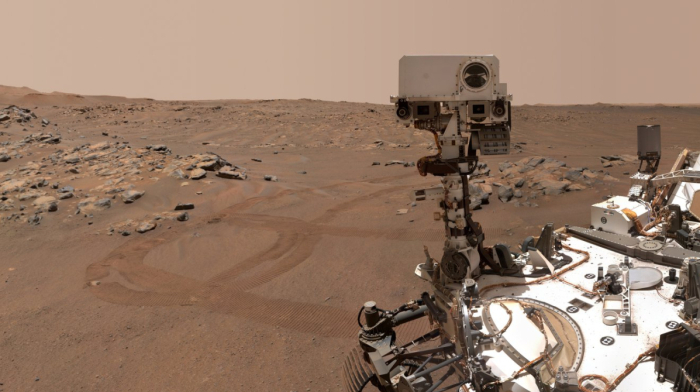
NASA’s Perseverance rover has detected what scientists believe may be the underground remains of an ancient river delta on Mars, offering some of the strongest evidence yet that water once flowed across the planet’s surface billions of years ago.
New modelling suggests Mars shapes some of Earth’s long-term orbital rhythms, including shorter eccentricity cycles and a 2.4-million-year pattern that vanishes without its gravitational pull.
A former executive of a Mars Inc. subsidiary has pleaded guilty to fraud and tax charges after stealing $28 million from the company, federal prosecutors said Thursday.
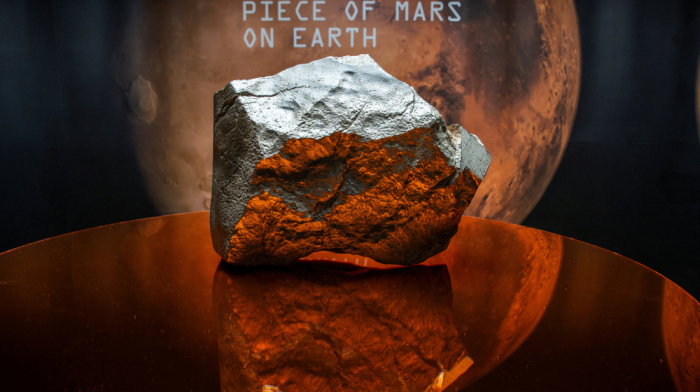
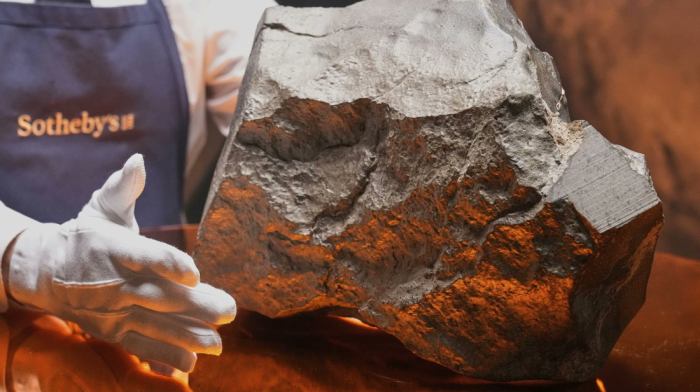
A piece of rock believed to be the largest piece of Mars on Earth has sold for $5.3 million at a geological and archaeological auction in New York on Wednesday.
Sotheby’s in New York is set to auction the largest known piece of Mars ever found on Earth—a 54-pound (24.67 kg) meteorite named NWA 16788.
Airbus UK wins a £150 million-contract to engineer landing platform that will safely deliver the first European rover on Mars. First British-built rover will explore the red planet in 2030 for signs of present and past life on Mars.
Beijing/Mars, February 24, 2025 – Ground-penetrating radar data from China’s Zhurong rover has revealed what appear to be sandy beach deposits buried beneath Mars’ surface, lending strong support to the theory that a vast ocean once stretched across the planet’s northern plains.
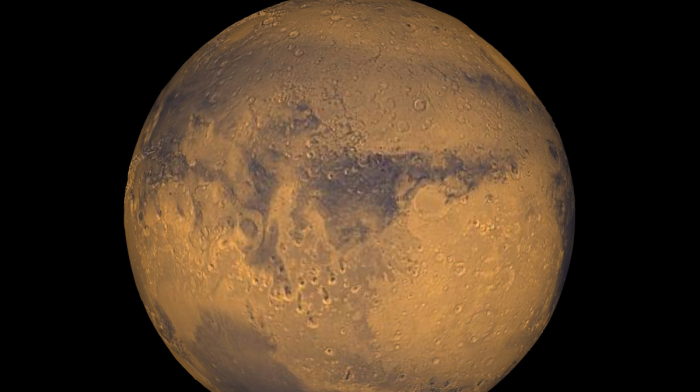
On January 16th, Mars will reach a rare opposition, making it 900 times brighter than the faintest visible star. It will appear larger and brighter, providing perfect opportunities for observation with the naked eye or a telescope
You can download the AnewZ application from Play Store and the App Store.