Zelenskyy says Ukraine sank Russian Warship at Libyan naval base
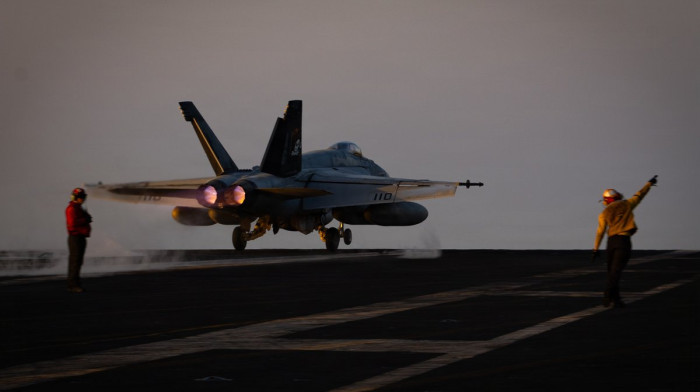
Ukrainian President Volodymyr Zelenskyy has said Ukraine sank the Russian Navy corvette Merkury at a naval base in eastern Libya using maritime dro...
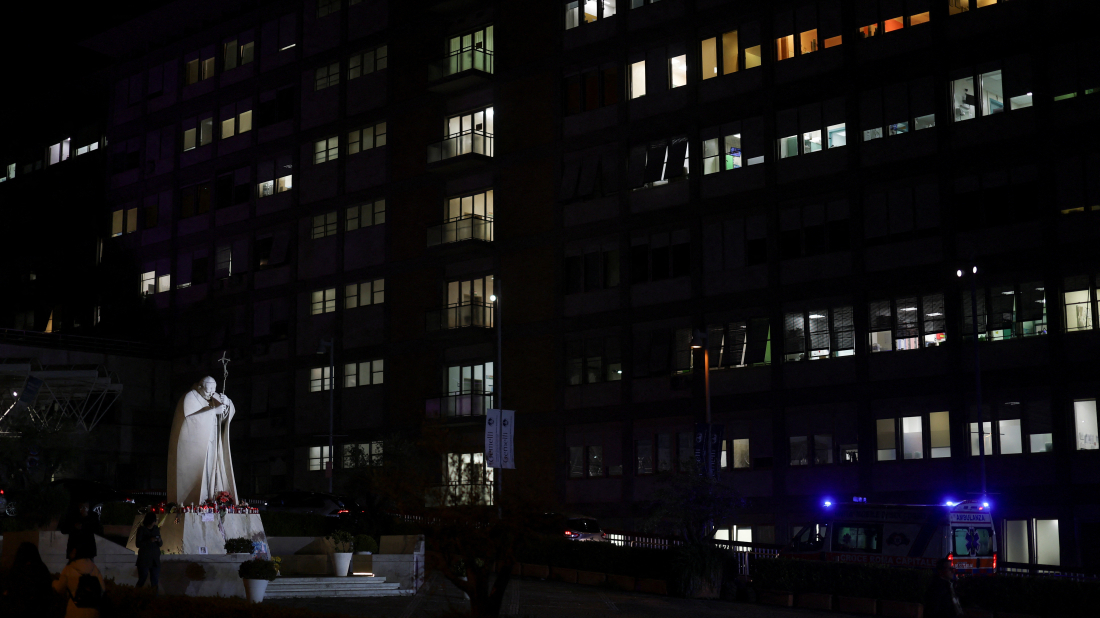
Pope Francis' respiratory condition worsened after a bronchospasm on Friday, prompting non-invasive mechanical ventilation. The Vatican says the Pontiff remains alert and responsive to treatment.
The Holy See Press Office confirmed on Friday evening that Pope Francis suffered an isolated bronchospasm, leading to a brief deterioration in his health. The 87-year-old Pontiff experienced vomiting, which resulted in some inhalation, affecting his breathing.
Following the episode, medical staff at Rome’s Gemelli Hospital performed bronchial aspiration to clear his airways and placed him on non-invasive mechanical ventilation. The Vatican stated that his oxygen levels improved after the intervention.
Despite the health setback, Pope Francis has remained conscious and cooperative with treatments. Earlier in the day, he underwent respiratory physiotherapy and prayer in the hospital chapel.
Doctors remain cautious about his prognosis, noting that 24 to 48 hours will be needed to fully assess his condition. He has been receiving treatment for bilateral pneumonia since his hospital admission on 14 February.

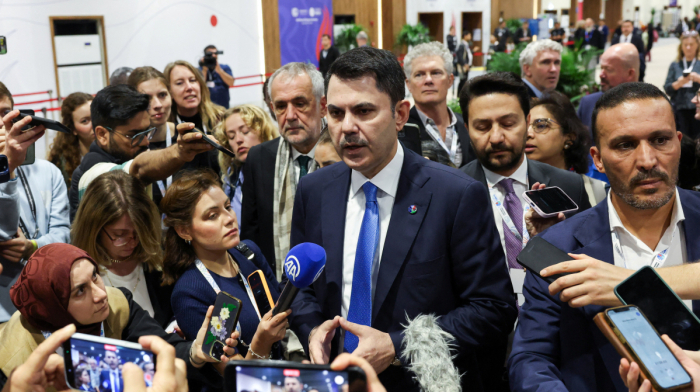
United Nation climate talks fell into in disarray on Sunday (22 November) as COP31 presidents Türkiye and Australia failed to secure a consensus agreement on how to advance the fight against climate change, with the European Union and others rejecting a final draft deal.
Most flights arriving at and departing from Brussels Airport could be cancelled on Monday, 23 November, as air traffic controllers prepare to join a nationwide strike against the Belgian government's austerity measures.
Iranian military officials have warned that U.S. forces cannot guarantee their safety by moving 1,000 or 2,000 kilometres away from Iran, as Tehran says it has implemented directives from Supreme Leader Mojtaba Khamenei to strengthen its missile capabilities.
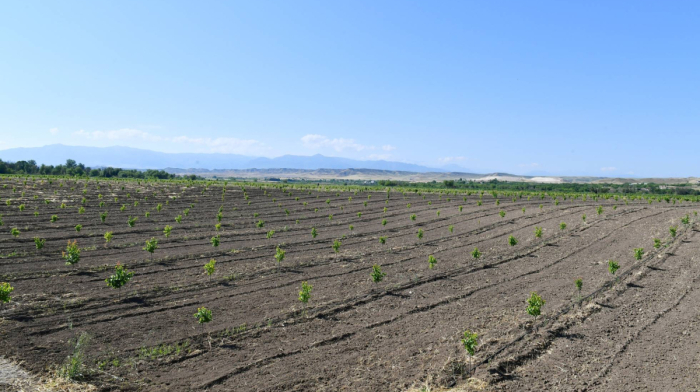
American investors are considering opportunities in Azerbaijan's Garabagh and East Zangezur regions, where reconstruction, agricultural modernisation and new transport links are creating prospects for international businesses.
Israel and the U.S. have agreed to develop joint military plans for a possible escalation against Iran, according to Israeli broadcaster Channel 13, as tensions raise concerns about renewed conflict in the Middle East.
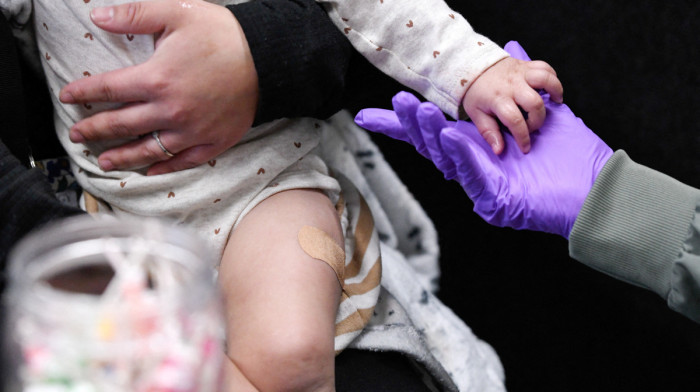
For the first time in more than a quarter of a century, the United States can no longer say it has eliminated measles as health experts warn the American outbreak reflects a collapse in trust in vaccines.
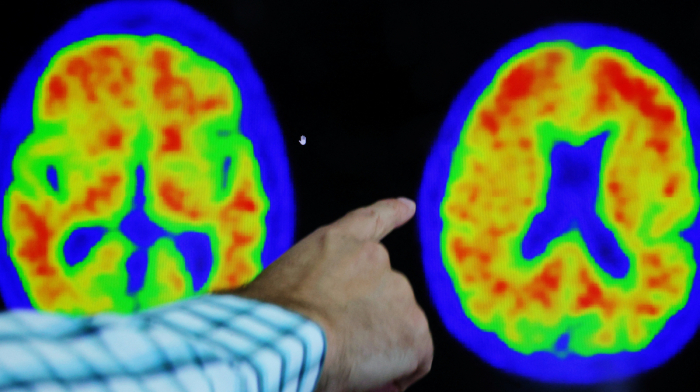
A new study in mice suggests the brain’s protective barrier does more than block harmful substances. It also delivers essential proteins from the body, a process that may break down early in Alzheimer’s disease and offer a new target for treatment.
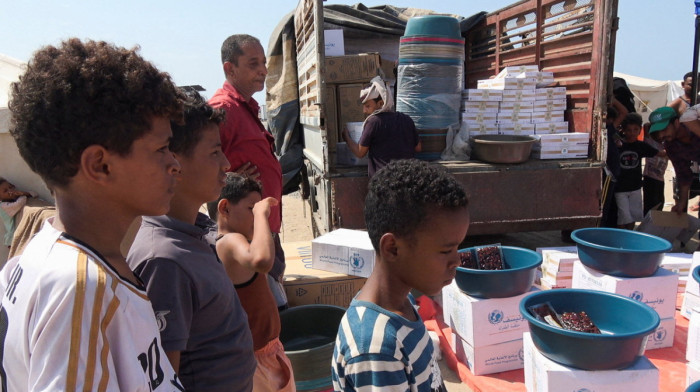
Here's your AnewZ Daily Brief for the 5th of November, as health emergencies, humanitarian crises, political shifts, and cybersecurity threats put governments and essential services under pressure across the globe. Here are five stories worth your attention.
Kazakhstan plans to manufacture 494 types of medicines through eight major investment projects worth a combined $862 million, Health Minister Akmaral Alnazarova announced on 3 November, local media reported.
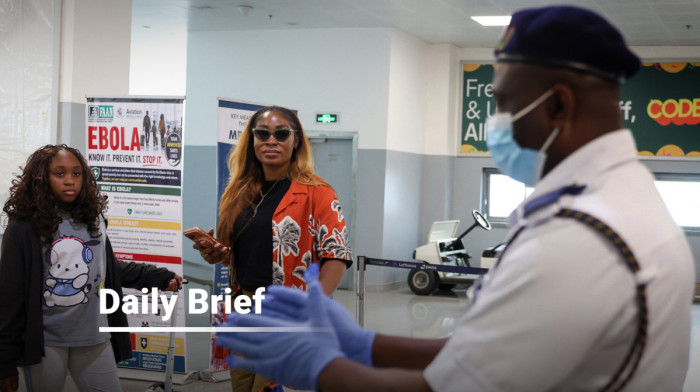
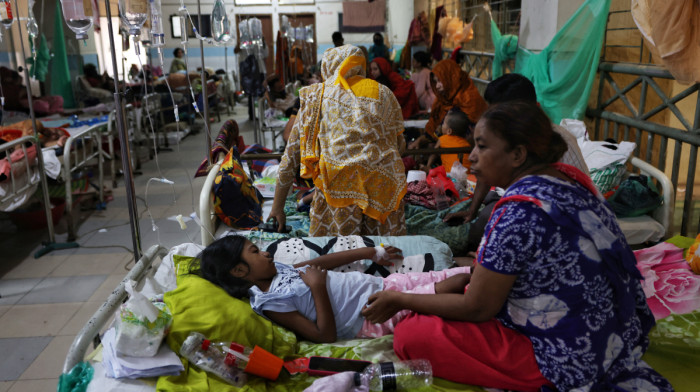
Dengue fever has killed more people in Bangladesh this year than in the whole of 2025, with October the deadliest month so far, data from Bangladesh's Health Ministry shows.
You can download the AnewZ application from Play Store and the App Store.
What is your opinion on this topic?
Leave the first comment