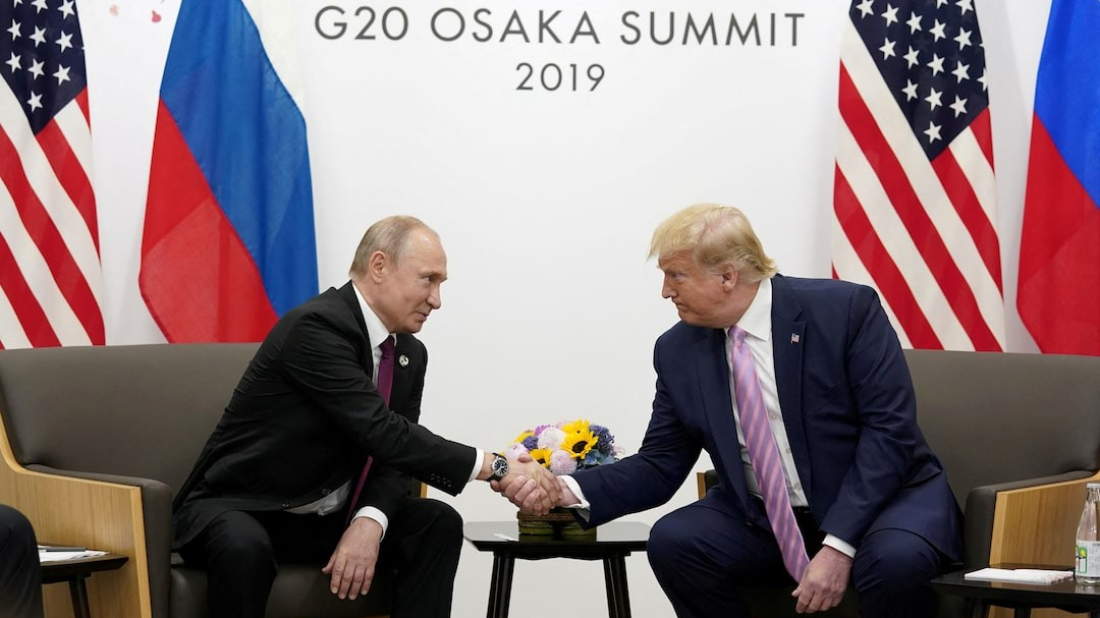
U.S. President Donald Trump has announced that Russia and Ukraine will begin immediate negotiations for a ceasefire, following a call with Russian President Vladimir Putin. However, the Kremlin has declined to set any deadlines, saying talks will take time and involve complex negotiations.
Trump, who relayed the outcome to Ukrainian President Volodymyr Zelenskyy and top European leaders in a group call, stated on social media:
“Russia and Ukraine will immediately start negotiations toward a Ceasefire and, more importantly, an END to the War.”
While Trump hailed the move as a sign of “some progress,” Russia was more cautious. Speaking in Sochi, Putin confirmed that Moscow was ready to work on a memorandum with Ukraine outlining principles for a future peace deal but added, “there are no deadlines and there cannot be any.”
Kremlin: Talks Will Be "Complex"
Kremlin spokesperson Dmitry Peskov said both sides faced “complex contacts” to develop a ceasefire and peace framework. “The devil is in the details,” he added, indicating that any meaningful breakthrough would take time.
Putin’s aide, Yuri Ushakov, noted that the leaders also discussed a prisoner exchange involving nine Russians and nine Americans. Trump reportedly described future U.S.–Russia relations as having “impressive potential.”
European Leaders Push for Sanctions, Trump Holds Back
Following Trump’s briefing, EU leaders—including German Chancellor Friedrich Merz—opted to tighten sanctions on Russia. Trump, however, signaled reluctance to apply new economic pressure.
“There could be a time where that’s going to happen,” he told reporters, but warned that sanctions might also “make it much worse.”
He added: “There are some big egos involved. If there’s no progress, I’m just going to back away. This is not my war.”
Zelenskyy Proposes High-Level Summit
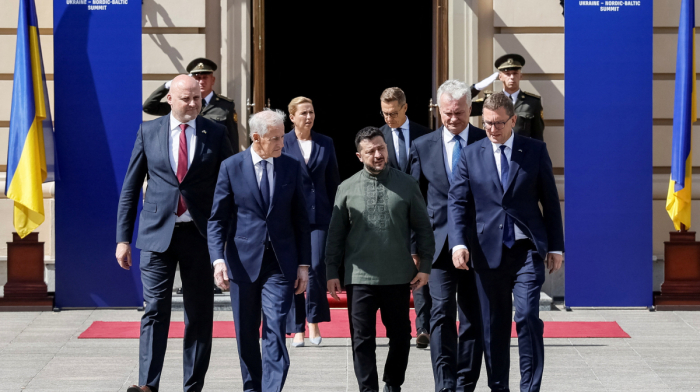
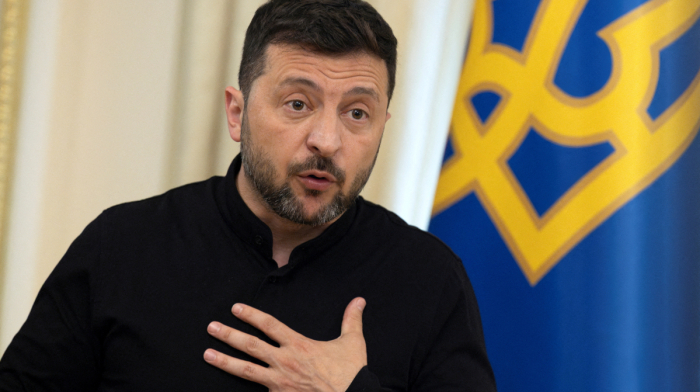
Ukrainian President Volodymyr Zelenskyy expressed readiness for direct talks “in any format that brings results.” He suggested that a high-level meeting involving Ukraine, Russia, the U.S., the EU, and the UK could take place in Türkiye, the Vatican, or Switzerland.
Trump said Pope Leo XIV had expressed interest in hosting talks at the Vatican, though the Holy See has not yet commented.
Analysts: Putin Gains Time, Avoids Pressure
Former Swedish Prime Minister Carl Bildt called the development “undoubtedly a win for Putin,” noting that Russia continues military operations while appearing open to talks.
Putin has rejected a 30-day truce proposed by Trump and remains firm on Russia’s demands, which include the withdrawal of Ukrainian forces from four occupied regions.
“The main thing for us is to eliminate the root causes of this crisis,” Putin said, adding that the proposed memorandum would set out “the principles of settlement, the timing of a possible peace agreement.”
Outlook
While both sides have agreed to continue direct contact for the first time since March 2022, no major breakthroughs have been achieved. The U.S. remains cautious, the EU is pushing for tougher measures, and Ukraine continues to press for tangible commitments from Moscow.
As Trump seeks to broker a ceasefire without alienating either side, the next steps in the negotiation process remain uncertain—and time is still a critical factor in ending Europe’s deadliest conflict in decades.












What is your opinion on this topic?
Leave the first comment