More than 2,000 detained as Delhi protests demand India election chief’s resignation
Indian police detained more than 2,000 protesters in Delhi on Saturday as authorities blocked a planned demonstration calling for the resignation o...
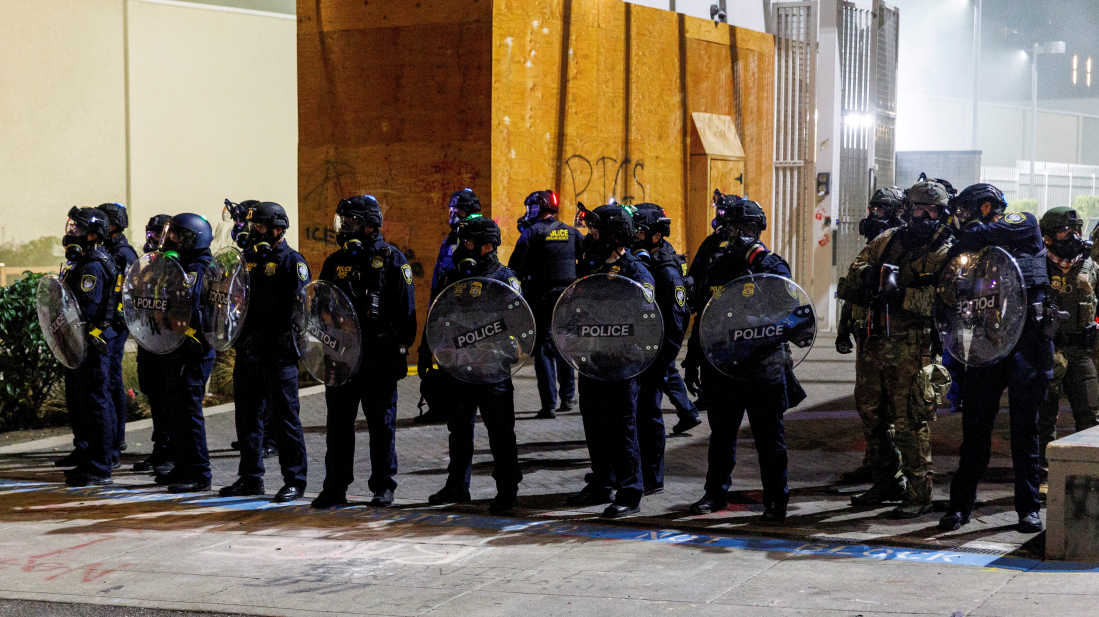
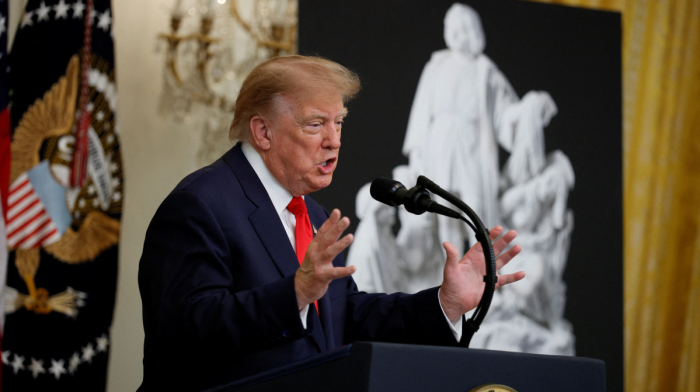
U.S. President Donald Trump announced Saturday he is deploying troops to Portland, Oregon, authorizing them to use “full force, if necessary,” to protect federal immigration facilities against what he called “domestic terrorists.”
Trump’s directive names Defense Secretary Pete Hegseth as the executor of the order, instructing him to “provide all necessary Troops to protect War ravaged Portland, and any of our ICE Facilities under siege” from Antifa and other domestic threats. He declared that federal forces may employ “full force, if necessary,” though he provided no detailed rules of engagement or a timeline.
Portland’s mayor, Keith Wilson, responded swiftly, declaring that “the number of necessary troops is zero” in his city and warning against federal overreach. Oregon Governor Tina Kotek said her office is seeking more information from the White House, emphasizing there is “no national security threat in Portland.”
Senator Ron Wyden accused Trump of reviving the 2020 playbook, sending troops into a Democratic city to provoke unrest. Meanwhile, the Pentagon stated it “stands ready to mobilize U.S. military personnel in support of DHS operations in Portland at the President’s direction.” But it offered no clarity on whether active-duty, National Guard, or mixed forces would be used.
Department of Homeland Security spokesperson Tricia McLaughlin said the move is meant to protect ICE agents amid escalating protests against immigration raids. Trump’s announcement comes amid a broader push: in recent days he has characterised activists and protestors as “professional agitators” and blamed them for attempting to burn federal buildings, though his administration has presented no evidence publicly to support those claims.
During his earlier term, Trump had sent federal agents into Portland during the George Floyd protests, moves that were widely criticized for constitutional overreach and violation of laws limiting domestic military deployment.The legal and political stakes are high: deploying troops domestically is tightly constrained under U.S. law (e.g. the Posse Comitatus Act), and critics say this latest order may push those limits further.
This move also comes on the heels of Trump designating Antifa as a domestic “terrorist organization” last week, a decision that has drawn legal and civil liberties scrutiny.

Leaders of countries from the Commonwealth of Independent States (CIS) have agreed to hold coordinated population censuses around 2030. They took the decision at the CIS Council of Heads of State meeting in Awaza, Turkmenistan on Friday, media reported.
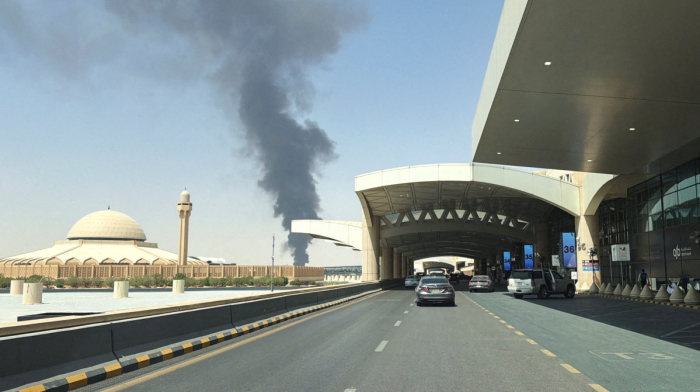
A powerful explosion has been reported at King Khalid International Airport in Riyadh, raising fresh concerns over aviation security in Saudi Arabia as tensions across the region continue to escalate.
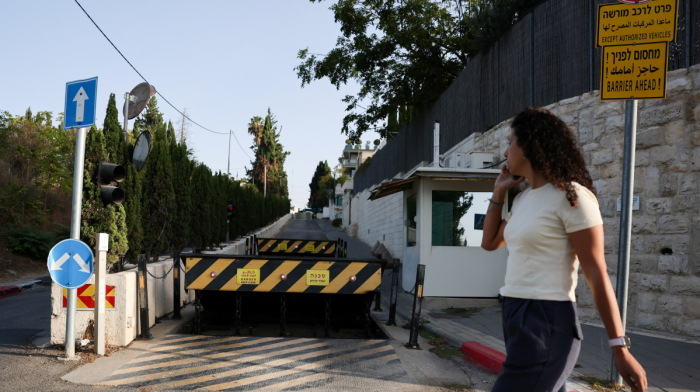
Britain and Israel have reached a temporary compromise over the future of the British Consulate General in East Jerusalem, easing a diplomatic dispute that had threatened to further strain relations between the two countries.
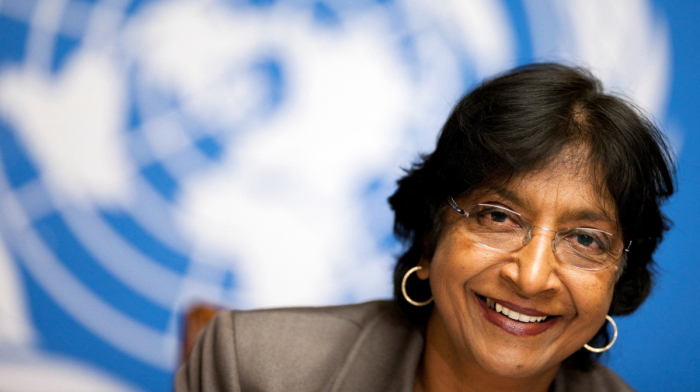
South African judge Navanethem “Navi” Pillay won the Nobel Peace Prize on Friday “for her efforts to promote peace and international law,” the Norwegian Nobel Committee said.
The U.S. has imposed sanctions on the International Criminal Court (ICC) on Friday (9 October) escalating tensions with European allies and potentially targeting companies that provide services to the tribunal. The move came hours after former ICC judge Navi Pillay won the Nobel Peace Prize.
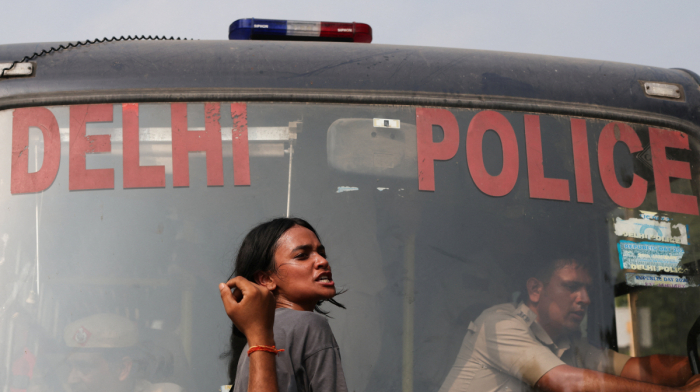
Indian police detained more than 2,000 protesters in Delhi on Saturday as authorities blocked a planned demonstration calling for the resignation of Chief Election Commissioner Gyanesh Kumar over disputed changes to voter lists.
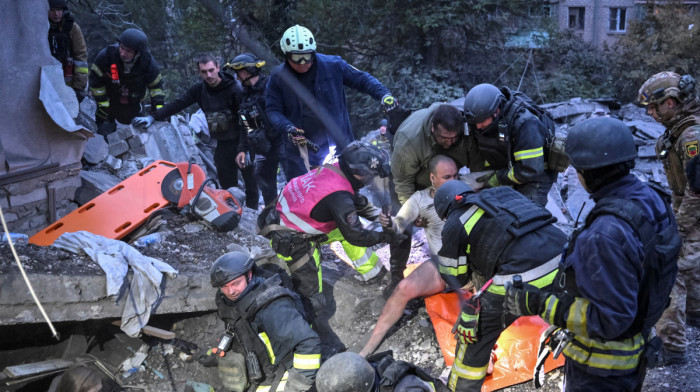
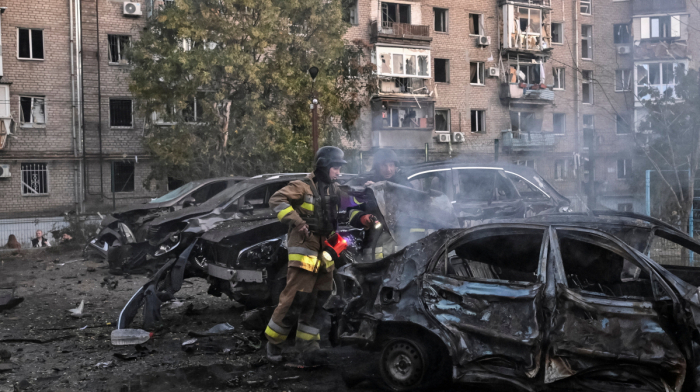
At least 12 people, including three children, have been killed in a Russian attack on the Ukrainian city of Zaporizhzhia, a day after U.S. President Donald Trump announced a deal to ease sanctions on Russian diesel.
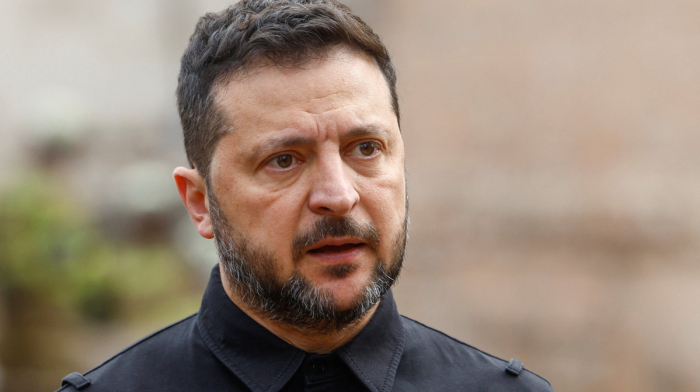
Ukrainian President Volodymyr Zelenskyy has criticised U.S. President Donald Trump’s decision to ease sanctions on Russian diesel exports, questioning why Moscow was granted an economic benefit without an apparent concession towards ending the war in Ukraine.
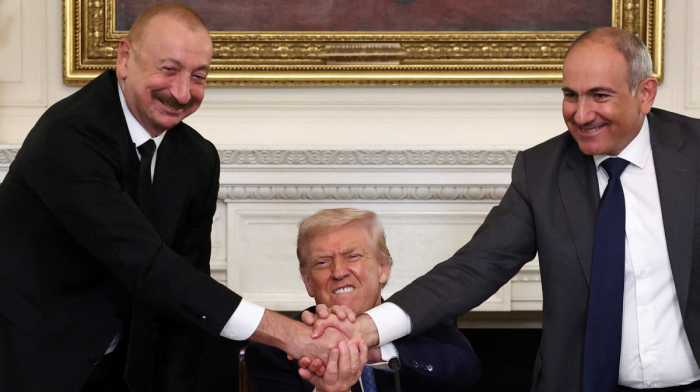
Russian President Vladimir Putin expressed surprise after Donald Trump mediated the Armenia-Azerbaijan peace agreement in 2025, the U.S. President said at a rally in New York state on Friday.
The United Nations has condemned a sharp rise in attacks on civilians in Ukraine, reporting that more than 100 people were killed and at least 429 injured in a single week as Russian strikes hit residential areas, passenger buses and critical infrastructure.
You can download the AnewZ application from Play Store and the App Store.
What is your opinion on this topic?
Leave the first comment