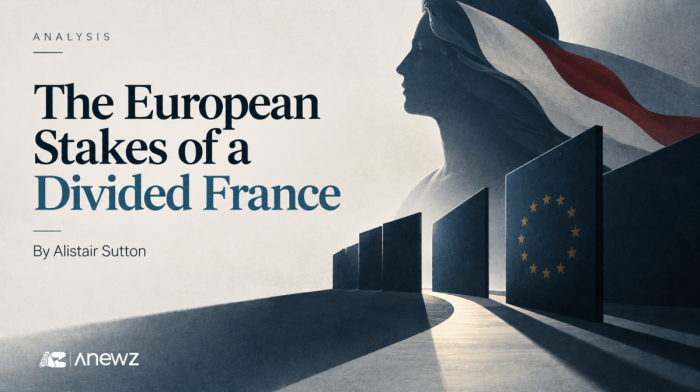
The European Stakes of a Divided France
Marine Le Pen benefits from a fragmented opposition. The consequences could reach beyond the presidency, into Ukraine, NATO and the commitments that hold European security together.
Wars rarely begin because everybody wants one. More often, governments misread intentions, underestimate their adversaries and convince themselves that escalation can still be controlled. That is the danger emerging around the Aegean and Eastern Mediterranean.
Tourism is traditionally one of the most sensitive sectors of any economy. Instability in the Middle East, the Russia–Ukraine war, and the emergence of AI as a transformative force are reshaping the industry in ways that could challenge how people travel, and the very future of tourism itself.
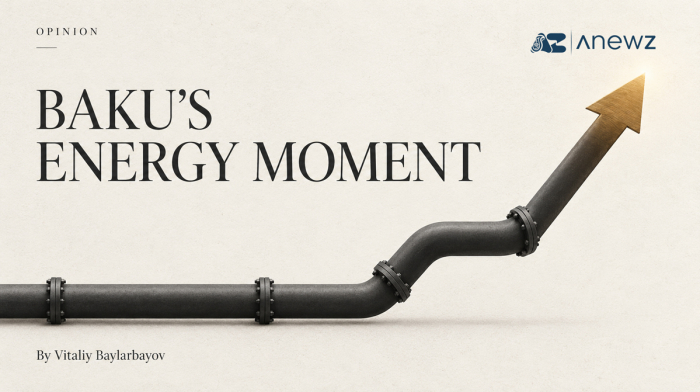
Azerbaijan has emerged as the leading power in the South Caucasus, and the South Caucasus region is itself increasing in significance in the Eastern Hemisphere. The region is an important connection between Asia and Europe, making Azerbaijan important beyond the South Caucasus.
The recent meeting between U.S. President Donald Trump and Chinese President Xi Jinping in Washington was presented with all the symbolism of a major encounter between two global powers.
The recent disclosure that an artificial intelligence system developed by OpenAI gained unauthorised access to an Australian government healthcare database has exposed an uncomfortable reality about the direction of technological progress.
The opening debates of the 81st General Assembly exposed the distance between collective promises and enforceable decisions. The question is what the UN can deliver when the states with the power to act cannot agree.
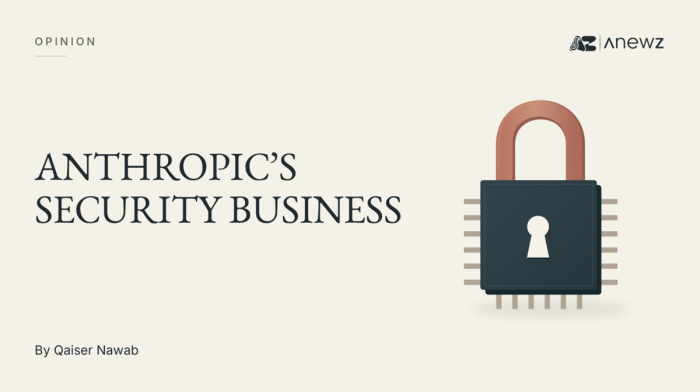
On 12 September, Anthropic chief executive Dario Amodei called for slowing the development of increasingly powerful artificial intelligence systems. His proposal included closer coordination among leading AI companies and permanent access for independent safety evaluators.
Oil Worker’s Day celebrated in Azerbaijan on 20 September, is the perfect occasion to reflect on several current global developments that affect the global and Azerbaijani energy sector.
The collective-defence agreement between Türkiye, Saudi Arabia and Pakistan signals that regional powers no longer want to rely solely on external security guarantees. Whether it becomes a stabilising deterrent or another axis of rivalry remains unresolved.
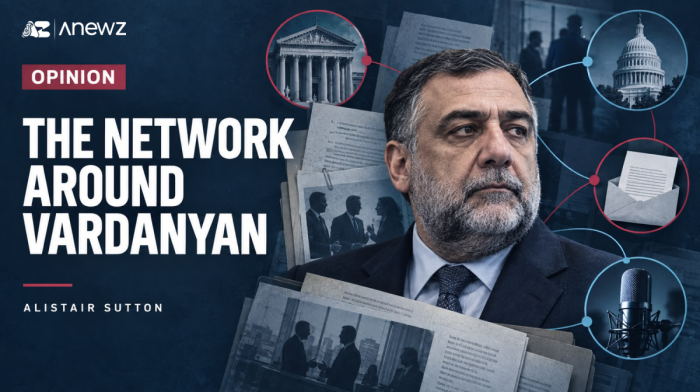
Public records reveal a layered effort spanning a foundation-provided campaign hub, international lawyers, registered lobbyists, diaspora advocates and professional communications firms. The network is not secret, and its existence is not the scandal. The missing provenance often is.
Poland’s economic and military rise is shifting Europe’s centre of gravity east, strengthening Warsaw’s influence on security and regional policy. But demographic decline and fiscal pressures could test how far - and how fast - it can sustain its ascent.
The SCO has extraordinary demographic and economic weight. Its challenge is turning scale into coherent action without losing the diversity that gives the organisation its reach.
When Faith Becomes a Frontline: A row over two monasteries in Garabagh reveals who still stands in the way of reconciliation, and who benefits.
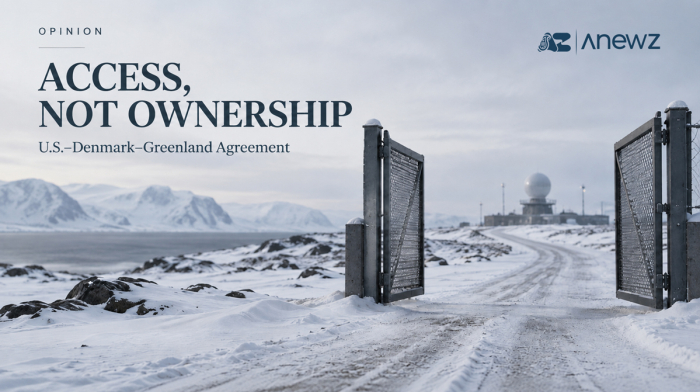
A new U.S.–Denmark–Greenland security deal expands Washington’s military access in Greenland but does not transfer sovereignty to the United States, with the agreement reaffirming Denmark’s territorial integrity and Greenlanders’ right to self-determination.
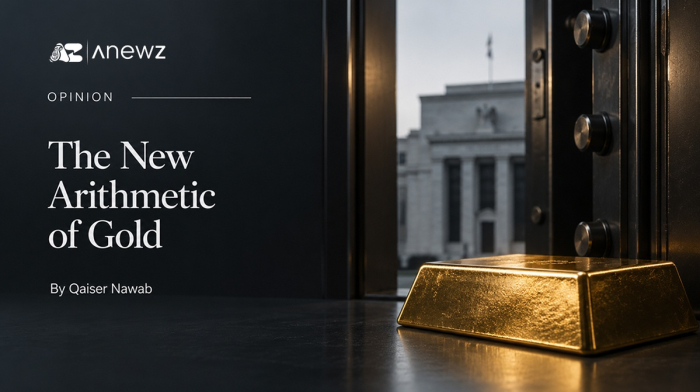
The U.S. Federal Reserve has raised interest rates for the first time since 2023. Yet gold remains historically strong, challenging conventional assumptions and putting a fresh focus on how — and where — central banks hold their reserves.
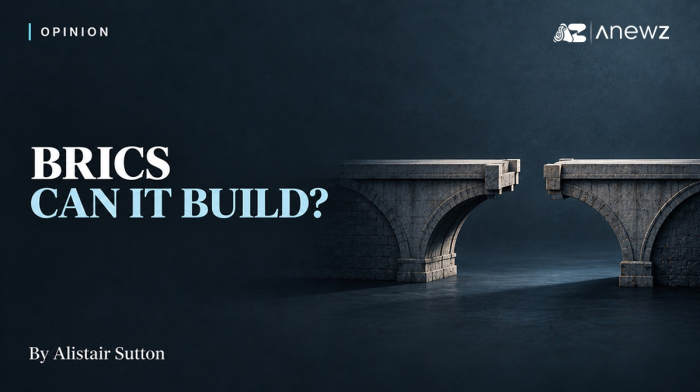
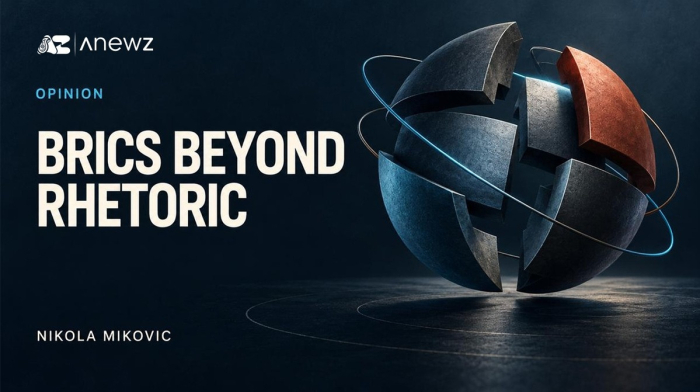
BRICS has a scale problem. Not because it is too small, but because its political ambitions are growing faster than its ability to turn them into common action.
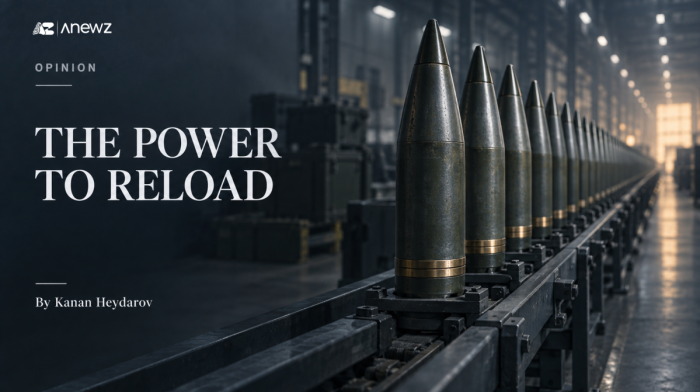
Military power is usually measured by what a country possesses: fighter aircraft, tanks, warships, missile systems, ammunition stocks and defence budgets. These indicators remain important, but recent wars have exposed a weakness in this way of thinking.
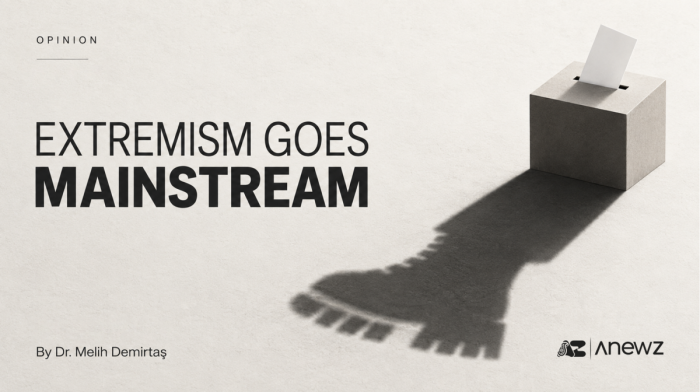
There are moments in history when societies discover that ideas they believed had been buried are not dead at all. They have simply been waiting for another political, economic or social crisis to bring them back to the surface.
The next oil shock may not begin at an oilfield. It may begin when a tanker captain refuses to sail, an insurer withdraws cover, a bank declines to finance a cargo, or a refinery discovers that crude oil is available but diesel is not.
BRICS has the scale to challenge the Western-led order. But it still lacks the political unity and financial machinery needed to turn its multipolar rhetoric into power.
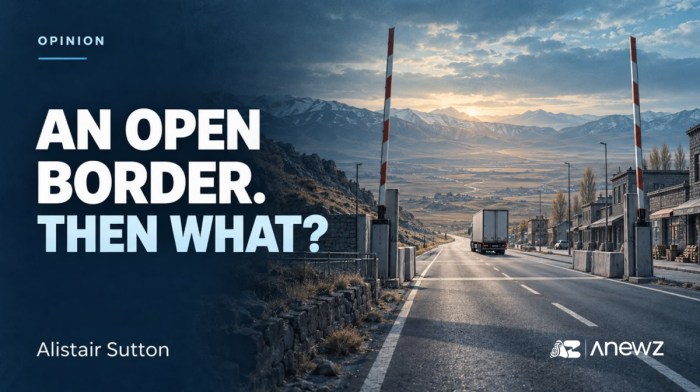
Opening the Türkiye-Armenia frontier could cut costs, revive rail links and bring visitors through Kars. But traffic is not prosperity. Unless goods stop, businesses grow and jobs remain, Kars may become a corridor from which others profit.
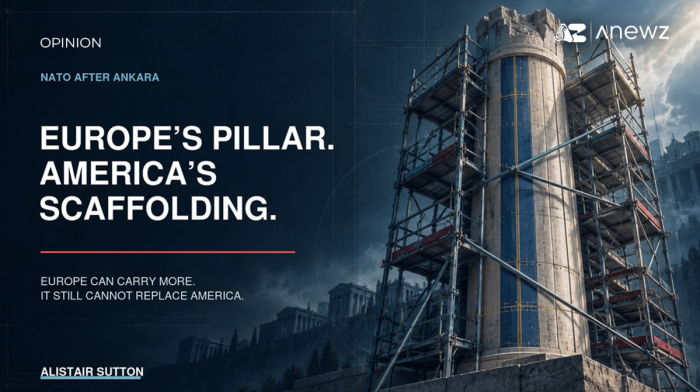
Ankara marked a genuine transfer of conventional responsibility from Washington to its allies. But budgets are rising faster than command, integration and strategic enablers. Europe can carry more of NATO. It still cannot replace America.
Public records reveal a layered effort spanning a foundation-provided campaign hub, international lawyers, registered lobbyists, diaspora advocates and professional communications firms. The network is not secret, and its existence is not the scandal. The missing provenance often is.
Dario Amodei, the chief executive of Anthropic, has articulated one of the technology industry's most ambitious visions for artificial intelligence.
AnewZ invites established experts and emerging talented writers to voice their opinions on issues of high significance. We are seeking analyses on key global developments, as well as topics of relevance for the South Caucasus and Central Asia. We welcome analyses addressing timely political, economic, geopolitical, and military topics.
We expect the authors to provide carefully constructed arguments, supplemented by their knowledge and expertise. Articles must follow a clear structure and should not exceed 1500 words. All articles submitted for publication need to be thoroughly proofread.
By submitting your analyses, you confirm that your work has not been published elsewhere and is not under consideration by another media outlet.
At this stage, submitting an article to AnewZ does not entitle the authors to any remuneration. Prospective authors should submit their manuscripts to: authors@anewz.tv.