



16:04
A Chinese Film Shows What War Movies Usually Miss
“Once Upon a Time in the Middle East” has drawn large audiences in Chinese cinemas, and for good reason.
“Once Upon a Time in the Middle East” has drawn large audiences in Chinese cinemas, and for good reason.

When the South Korean container ship PanStar Acro left Busan for Europe through the Arctic in August, its voyage seemed far removed from the war between the United States, Israel and Iran. In reality, the two developments are increasingly connected.

On 1 September 2026, the Non-Aligned Movement marked the 65th anniversary of its first conference. Belgrade once again hosted a high-level commemorative gathering at the movement's birthplace.

Something unusual is happening across societies otherwise separated by geography, political culture, economic development and historical experience.

In late April, Mali faced one of its most serious coordinated assaults in years.

The SCO has extraordinary demographic and economic weight. Its challenge is turning scale into coherent action without losing the diversity that gives the organisation its reach.
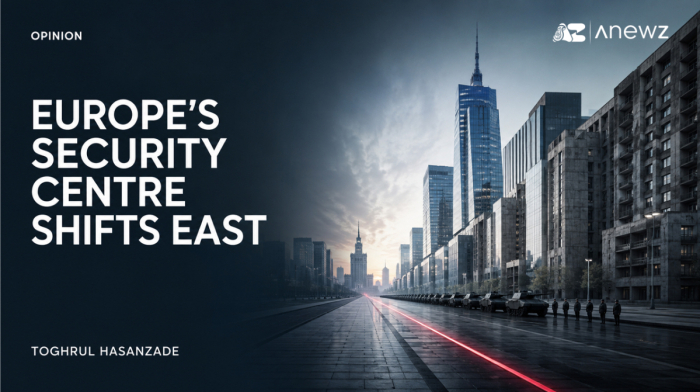
Poland’s economic and military rise is shifting Europe’s centre of gravity east, strengthening Warsaw’s influence on security and regional policy. But demographic decline and fiscal pressures could test how far - and how fast - it can sustain its ascent.
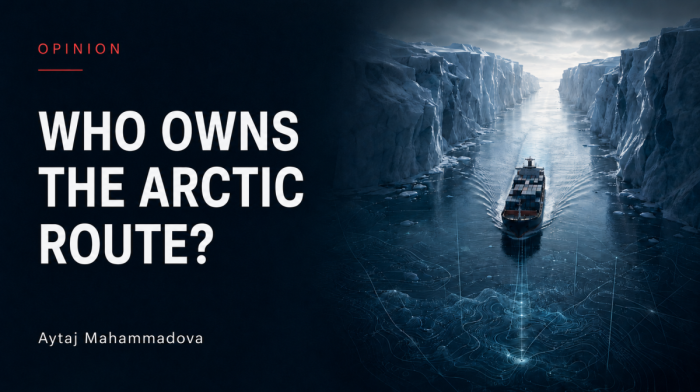
An Arctic shortcut between Asia and Europe is moving from theory to scheduled seasonal service. But every day saved at sea creates a new dependence on Russia—and a new contest over ships, science and rules.
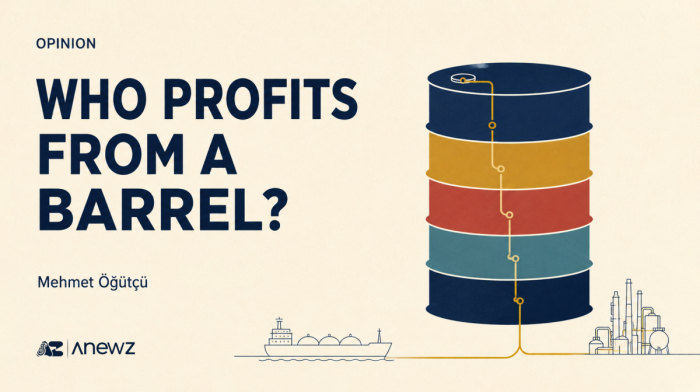
In oil trading, the money is not only in the barrel. It is also in information, trust, financing, timing and the ability to bring the right people to the same table. The real question is how fairly that value is shared.

Türkiye, Saudi Arabia, Egypt and Pakistan have turned crisis diplomacy into a habit. The Istanbul meeting will show whether R4 can become more than a room in which four ministers compare notes.

Over the course of my career, I have met thousands of people across countries, cultures, religions and political systems. One of the more puzzling lessons I have learnt about human nature, however, has little to do with economics or political science.

The U.S. State Department has drafted a letter urging 35 countries to choose sides in the global AI race, but the rapid spread of open models highlights the limits of efforts to divide an increasingly interconnected technology ecosystem.

The collective-defence agreement between Türkiye, Saudi Arabia and Pakistan signals that regional powers no longer want to rely solely on external security guarantees. Whether it becomes a stabilising deterrent or another axis of rivalry remains unresolved.

A decade ago, digital advertising in the countries of the South Caucasus and Central Asia was seen mainly as an additional sales channel alongside television, outdoor advertising and local media.
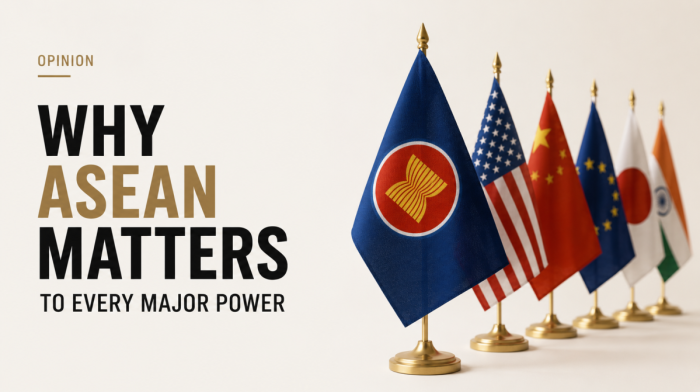
When the Association of Southeast Asian Nations (ASEAN) celebrated its 59th anniversary on August 8 in Indonesia’s capital, Jakarta, the occasion offered more than an opportunity to reflect on nearly six decades of regional integration.
Disruption in the Strait of Hormuz has increased the strategic importance of Bab al-Mandab, raising fears that instability in both waterways could trigger a wider global energy and trade crisis.

On 23 August, Kazakhstan will vote for the Kurultai, a new 145-seat, single-chamber parliament replacing the two-chamber system the country has had since independence.

One hundred years after the First World War and more than eighty years after the devastation of the Second World War gave rise to the United Nations, humanity once again finds itself living in an age of permanent crisis.

A year after the Washington agreements, TRIPP is emerging as more than a transport project, reshaping regional connectivity, security calculations and the balance of influence across the South Caucasus.

For months, efforts to secure the Red Sea have focused on what is happening in the water. Naval deployments have increased, governments have expanded maritime cooperation and shipping companies have adapted to persistent security threats.