The battlefield is teaching the factory
For decades, the factory taught the battlefield. Ukraine is now reversing the lesson.
For decades, Central Asia has stood on the front line of a climate emergency that much of the world is only beginning to understand. Stand at the edge of a glacier in the Tien Shan today and the crisis is no longer abstract.
The Democratic Republic of Congo is facing another Ebola outbreak nearly five decades after the virus was first identified near the Ebola River in 1976.
The era of uncontested Russian dominance in the South Caucasus appears to be weakening.
Burkina Faso’s gold has become more than an export commodity. It has become a political test of sovereignty, state capacity and economic survival.
Armenia’s military parade on 28 May 2026 carried significance beyond military affairs. It was not only a display of newly acquired hardware. It also raised important questions about the peace process taking shape in the South Caucasus.
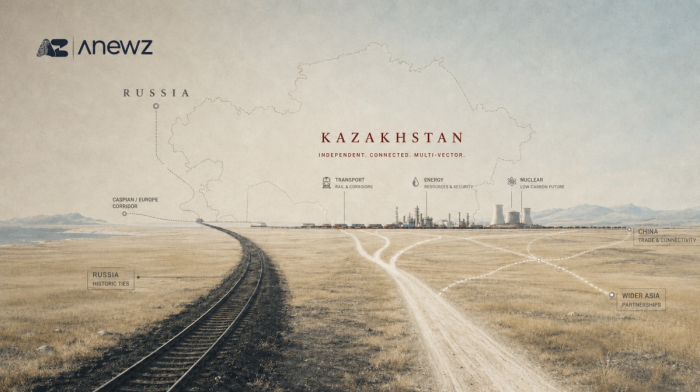
For much of the post-Soviet era, Russia and Kazakhstan have maintained one of Eurasia’s most stable bilateral relationships. Deep economic ties, shared history and strategic geography continue to bind the two neighbours together, but Astana is increasingly pursuing a more independent path.
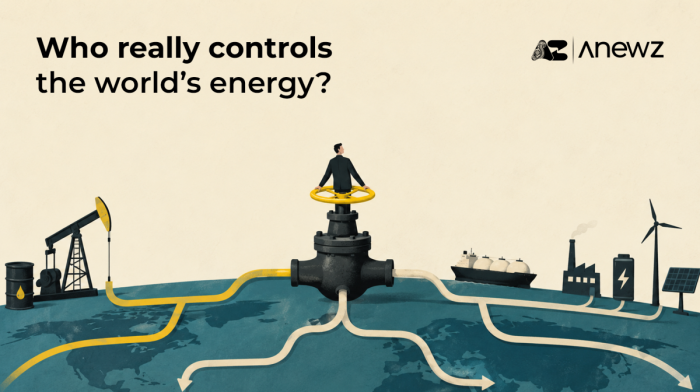
Energy debates usually follow a familiar script. Markets, climate, renewables, oil, gas, batteries, hydrogen, critical minerals and geopolitics dominate the conversation. One of the world's largest energy consumers is often left outside that frame: the military.
A drainage ditch is rarely the beginning of an economic story. In Nanshan Village, on the outskirts of Beijing, it became exactly that.
The deadly fire at Utumishi Girls Academy has exposed a hard truth: despite decades of warnings, many African boarding schools still leave children vulnerable to preventable disasters.
The end of Viktor Orbán's sixteen-year dominance of Hungarian politics has triggered a familiar reaction across much of Europe.
There is a number that has haunted American fiscal policy for the better part of two decades, and this week it returned.
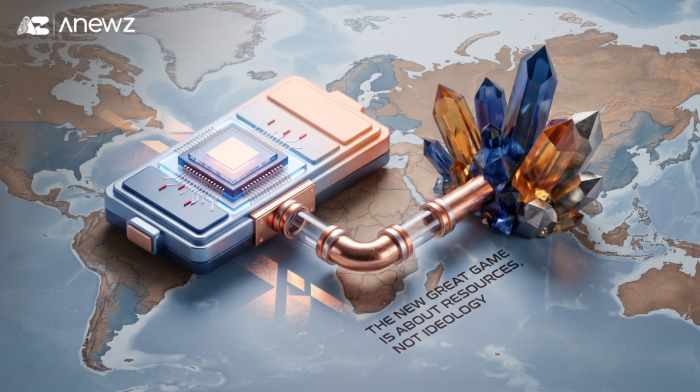
The world is entering a new era of geopolitical confrontation, driven less by ideology and more by control over energy, strategic resources, industrial technologies and global supply chains.
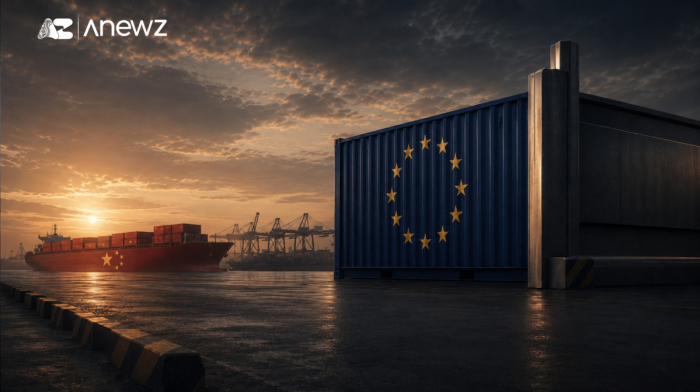
For decades, the European Union positioned itself as one of the world’s most vocal champions of open markets and rules-based trade. Brussels urged governments across the developing world to liberalise, limit industrial subsidies and respect the commitments of the World Trade Organization.
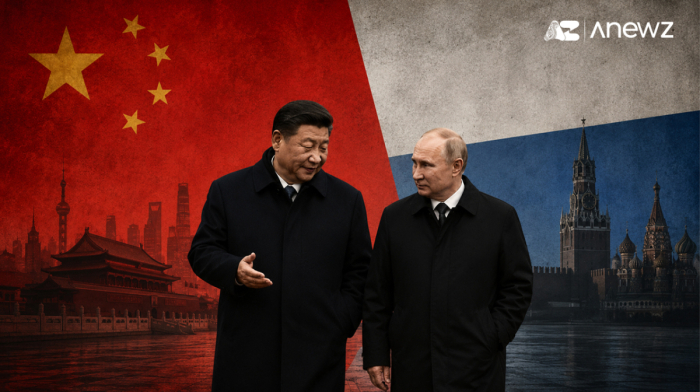
Russian President Vladimir Putin’s latest visit to Beijing appeared to be more than a routine state meeting between two strategic partners.
In an era of intensifying strategic competition, many U.S. companies remain heavily dependent on China for both revenue and manufacturing, underscoring the limits of rapid economic decoupling.
The European Union entered 2026 under conditions of exceptioal tensions in the energy markets. Due to the upheaval from Russia’s invasion of Ukraine, unrest in the Middle East with the closure of Strait of Hormuz, and fierce competetion for LNG , the whole new geopolitical landscape has reshaped.
In a war shaped by missiles, blockades, threats and Donald Trump’s unpredictable announcements, one of Europe’s most consequential decisions has been a refusal. Spain rejected the use of the Rota and Morón bases for attacks on Iran and later closed its airspace to aircraft involved in the campaign.