For decades, Iran and Israel waged a shadow war through proxies, covert operations and escalating threats, marked by assassinations, cyber sabotage and regional clashes involving allied militias. In June 2025, that shadow conflict gave way to direct confrontation.
In the early hours of 13 June, Israel launched a surprise wave of airstrikes deep inside Iran.
The operation, codenamed “Rising Lion”, combined large-scale air raids with covert Mossad drone operations that disabled Iranian air defences and missile systems ahead of the main strikes, according to Israeli military officials.
More than 200 Israeli aircraft struck over 100 targets across several Iranian provinces, marking the most extensive Israeli attack ever carried out on Iranian territory.
Nuclear facilities, military bases and command centres, from Natanz and Fordow to Isfahan, were targeted. Sites linked to Iran’s ballistic missile programme and the Islamic Revolutionary Guard Corps (IRGC) were also hit, according to Reuters and independent satellite imagery assessments.
Western analysts said the strikes delayed Iran’s nuclear programme but did not eliminate its enriched uranium stockpiles or deeply buried underground infrastructure, according to Reuters and the Institute for Science and International Security.
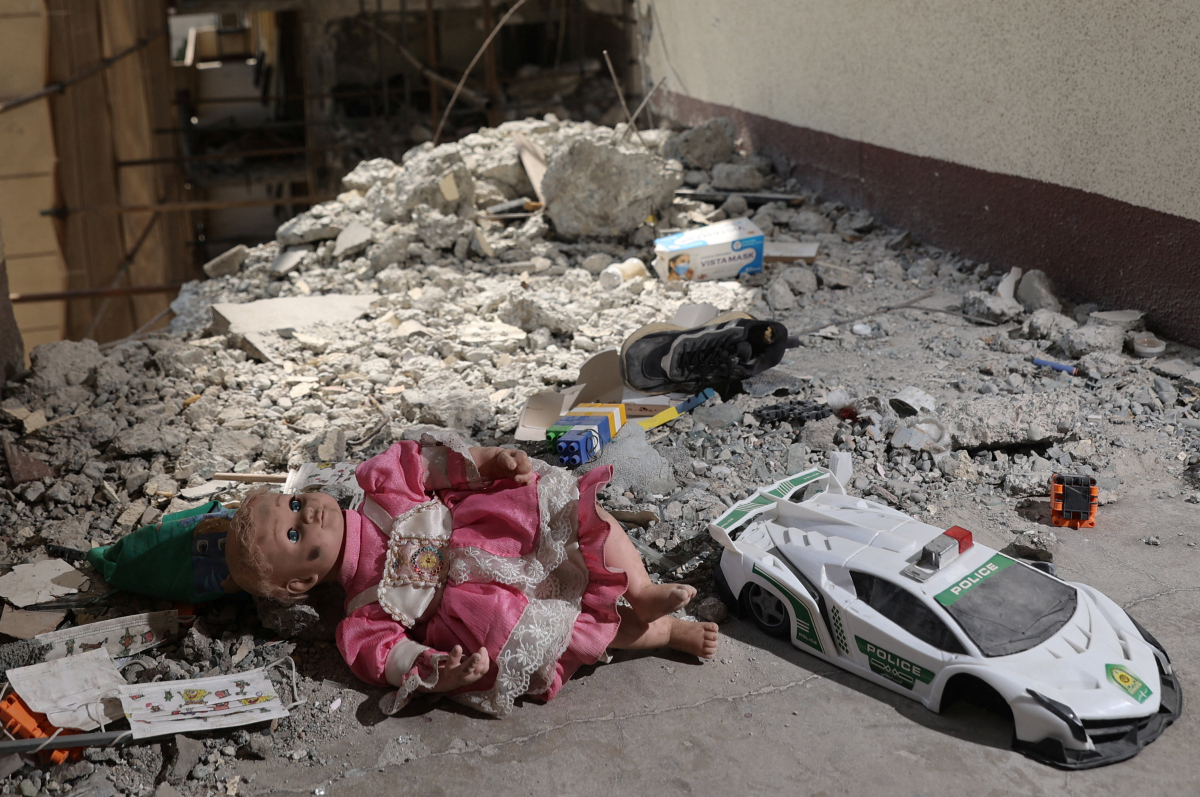
Iran said the attacks killed nuclear scientists, senior commanders and civilians, state media reported.
Israel described the operation as pre-emptive self-defence, arguing Iran was approaching nuclear weapons capability — a claim Tehran continues to deny.
Later on 13 June, Iran began retaliating, launching ballistic missiles and drones towards Israel.
Over the following days, the retaliation intensified. Tehran fired approximately 550 ballistic missiles and nearly 1,000 drones during the conflict, according to estimates cited by Reuters and Western defence officials, most of which were intercepted by Israel’s multi-layered air defence systems, supported by the United States and regional partners.
Despite the interceptions, several projectiles struck populated and sensitive sites.
Missiles hit civilian areas, hospitals and scientific institutions, including the Weizmann Institute of Science in Rehovot and Soroka Medical Centre in Beersheba, according to Reuters and Israeli emergency services.
For nearly two weeks, the two countries exchanged direct fire openly for the first time in their history.
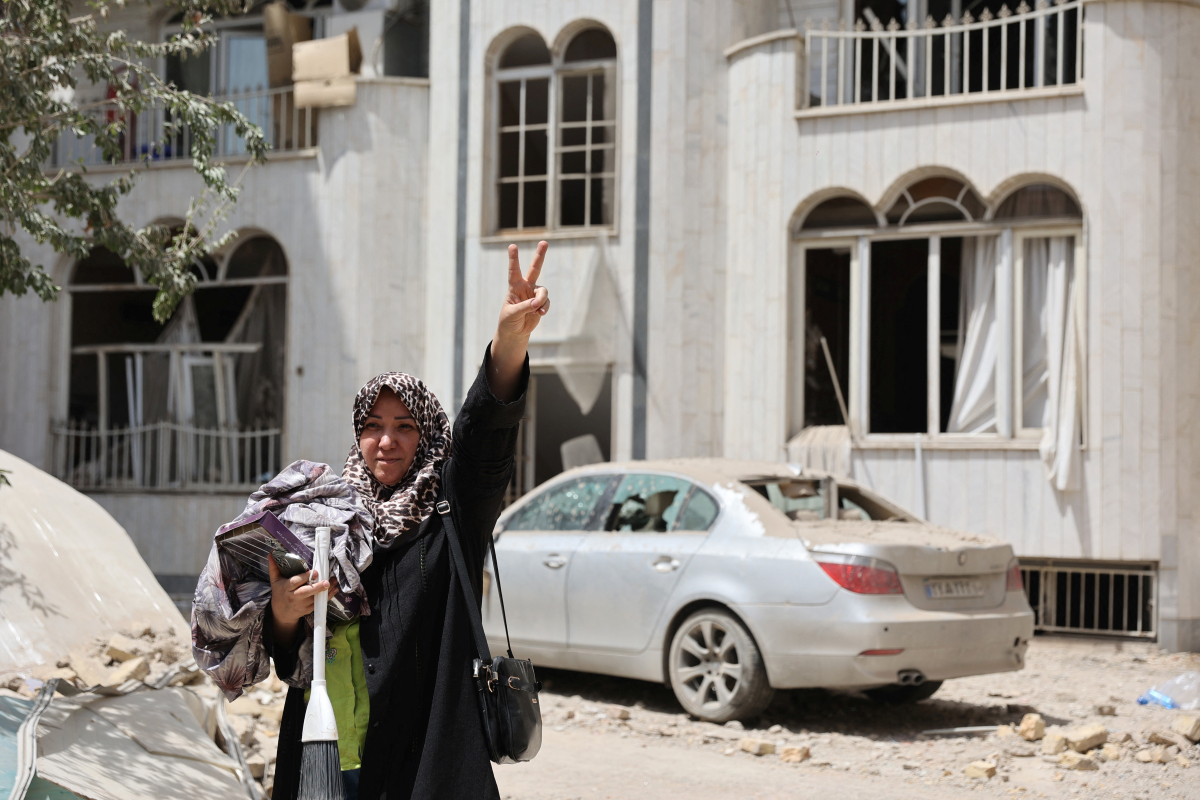
Air defences lit up the skies across Israel and Iran. Sirens wailed repeatedly. Casualties mounted on both sides. Israeli authorities reported dozens of deaths and hundreds of injuries, while Iran reported significantly higher casualties, including among civilians, according to official statements.
As bombardment intensified, nearly nine million people were reported to have fled Iran’s major cities, amid fears of further Israeli strikes on urban and strategic targets, according to humanitarian assessments referenced by Reuters and regional officials.
The conflict escalated further on 21 June, when reports emerged that the United States had carried out strikes on Iranian nuclear-related facilities, though official confirmation remained limited, according to U.S. media reports.
Iran responded by launching missiles at a major U.S. airbase in Qatar, pushing the region to the brink of a wider war and prompting heightened alert levels across the Gulf.
On 23 June, Israeli strikes hit Evin Prison in Tehran during visiting hours.
At least 79 people were killed, according to Iranian authorities and human rights groups, making it one of the deadliest single incidents of the war and drawing international concern.
A fragile U.S.-brokered ceasefire followed days later. The agreement came into effect on 25 June, ending what became known as the 12-day war.
The United States, Israel and Iran all claimed victory.
However, according to experts, those claims require qualification.
Military analysts indicate that while Israel, with U.S. support, achieved tactical successes by degrading parts of Iran’s nuclear, missile and command infrastructure, significant elements of Iran’s strategic capabilities remain intact.
Post-conflict intelligence assessments suggest both sides have begun rebuilding military capabilities.
Iran has since resumed ballistic missile testing and intensified internal security crackdowns, while Israel has warned it will respond forcefully to any renewed nuclear or missile advances by Tehran, according to Reuters reporting in the months following the ceasefire.
The strategic outcome remains inconclusive, offering neither lasting peace nor a definitive end to hostilities.












What is your opinion on this topic?
Leave the first comment