



20:20 CET
Politics
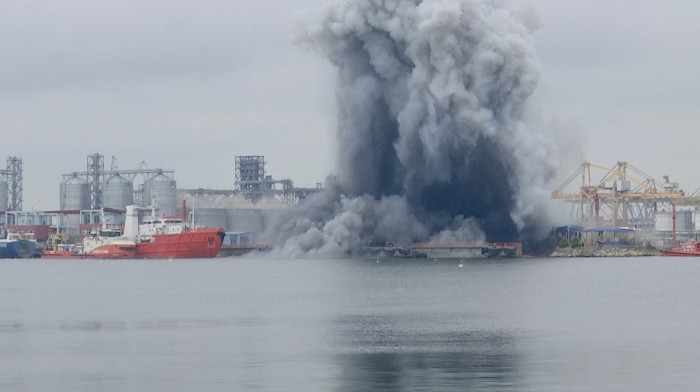
Three ships struck by drones in Black Sea near Romanian shipping canal
Drones have struck three commercial...


The AnewZ Opinion section provides a platform for independent voices to share expert perspectives on global and regional issues. The views expressed are solely those of the authors and do not represent the official position of AnewZ
Nearly two years after the 20 October 2024 parliamentary elections, Iraq’s Kurdistan Region remains without a cabinet. The Kurdistan Democratic Party (KDP) won 39 of 100 seats and the Patriotic Union of Kurdistan (PUK) 23, leaving neither able to govern alone.
Their enduring rivalry has stalled parliament and prolonged the outgoing cabinet’s tenure. Recent negotiations suggest that an understanding is possible, although no final coalition agreement or date for government formation has been announced.
A reported framework would preserve the regional presidency and premiership for the KDP, give deputy posts and the parliamentary speakership to the PUK, and redistribute major ministries. The PUK is seeking the finance and Peshmerga portfolios, with oil and interior allocated to the KDP. KDP officials have stressed that the proposals remain under negotiation. The PUK also seeks greater authority for deputy positions, not merely a redistribution of titles.
Deputy Prime Minister Qubad Talabani, son of the late Iraqi President Jalal Talabani, expressed hope for a settlement this autumn, while a Kurdistan Islamic Union official indicated that a substantive KDP–PUK meeting could take place in November. On 14 October, Regional President Nechirvan Barzani and the US Consul General, Gwendolyn “Wendy” Green, urged faster progress. These signals indicate renewed engagement but not the resolution of outstanding disagreements.
Although the completion of the unification of Peshmerga forces on 21 September 2026 provided positive momentum towards the formation of the Kurdistan Regional Government (KRG), several structural obstacles continue to constrain a settlement. First, the dispute is about effective control of the KRG, revenue and security institutions rather than cabinet arithmetic alone. The KDP dominates Erbil and Duhok; the PUK is strongest in Sulaymaniyah and Halabja. Parallel party-linked administrative and intelligence structures complicate meaningful power-sharing. Unifying command structures is therefore as important as distributing portfolios.
Second, coalition bargaining has widened. The PUK’s understanding with the New Generation Movement (NGM), which won 15 seats, strengthens its negotiating position. Though the NGM’s participation in a future cabinet is not assured, the PUK–NGM alliance remains intact. Earlier proposals for a dispute-arbitration mechanism and early elections following a coalition breakdown might limit future paralysis, but would require enforceable political commitments. Threats of fresh elections or effectively separate rule in Sulaymaniyah illustrate the costs of failure.
Third, Baghdad influences the regional bargain. Disputes over public-sector salaries, federal budget transfers, oil exports and disputed territories make a united Kurdish negotiating position valuable. PUK contacts with federal political figures, including Nouri al-Maliki and Hadi al-Ameri, underline its relationships with Baghdad. However, these contacts do not demonstrate that Baghdad has brokered an agreement on a cabinet. Türkiye, Iran and the United States also have interests in a stable Kurdish administration, but their relationships with the two parties differ.
For Türkiye, prolonged fragmentation complicates counter-PKK security cooperation, cross-border trade and energy transit, despite Ankara’s close ties with the KDP. Tehran has historically maintained stronger PUK connections, while Washington has encouraged institutional cohesion. A functioning, broadly representative cabinet would be better placed to manage relations with Baghdad and neighbouring states, although it would not automatically resolve these external disputes.
The most constructive outcome would be a negotiated KDP–PUK cabinet accompanied by the activation of parliament and clearly defined deputy powers. A narrower bargain that only allocates positions could restore formal government without overcoming the institutional divide. A second scenario is further delay into 2027 as the parties bargain over portfolios, appointments and the New Generation alliance. Renewed elections remain a possible pressure tactic, but would not necessarily change the underlying balance of power. The key indicators of progress to watch for are a functioning parliamentary leadership, a public coalition agreement and credible steps towards unified security and fiscal management.
Dr. Ayman El-Dessouki is a Senior Researcher and Strategic Expert,
TRENDS Research & Advisory, UAE;
Professor of International Relations,
Cairo University, Egypt

Drones have struck three commercial...
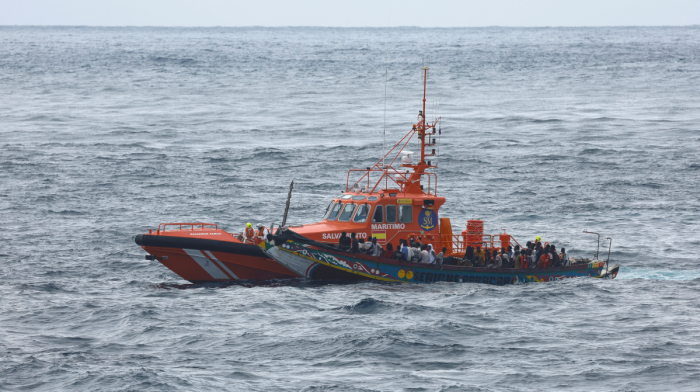
Almost 1,500 migrants arrived in Spain's Canary Islands on Saturday, the highest number in a single day sin...
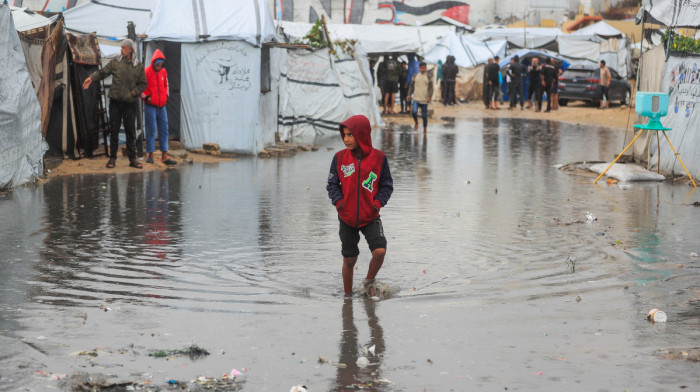
The World Health Organization (WHO) warned on Friday (13 November) of surging respiratory illnesses in Gaza, ...
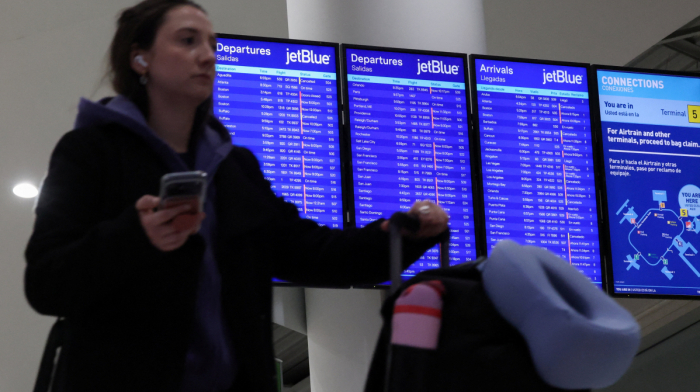
The U.S. Federal Aviation Administration lifted a nationwide ground stop on Friday (13 November) after a communications failure at air traffic control centres caused chaos at airports and triggered the longest nationwide shutdown since the 9/11 attacks in 2001.
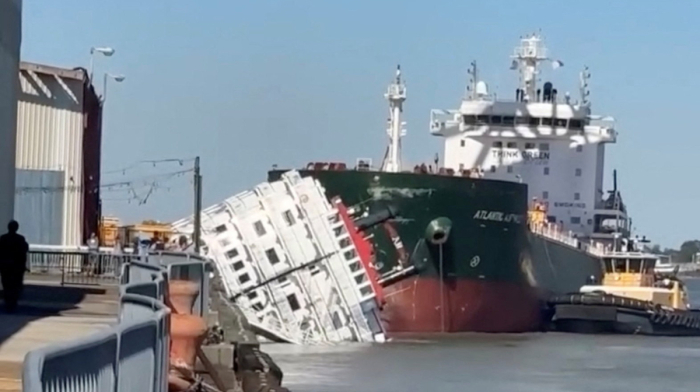
More than 30 people have been taken to hospital after a cargo ship collided with a passenger cruise docked on the Mississippi River in New Orleans on Friday (13 November).
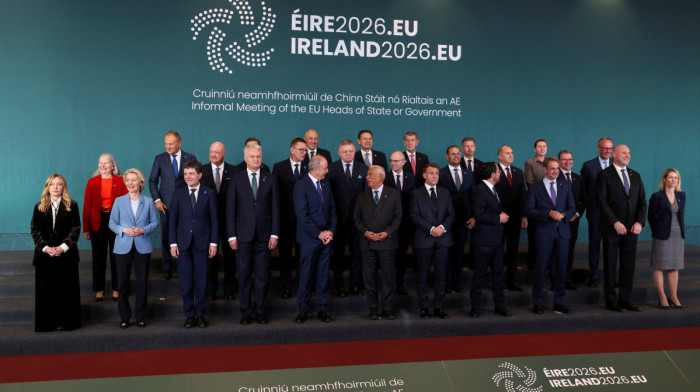
Europe will send a team of diplomats to Ukraine peace talks rather than a single envoy, EU leaders agreed on Friday at the end of a summit in Dublin.
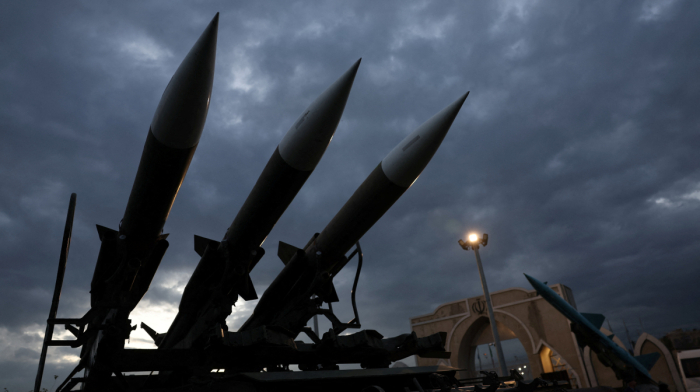
Saudi Arabia said it intercepted two Houthi ballistic missiles targeting Riyadh and three drones in its oil-rich Eastern Province on Sunday (15 November), as Iran's Revolutionary Guards claimed separate attacks on a U.S. military facility in Bahrain.
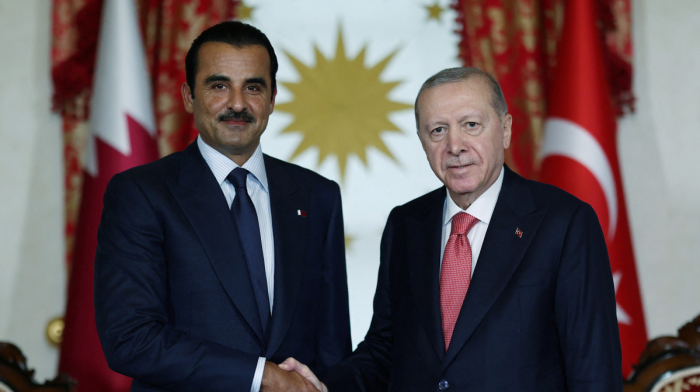
Türkiye and Qatar signed a mutual defence agreement on Friday, November 13, aimed at strengthening collective security and regional stability. The two countries pledged to take a united stance against any external armed attack on either nation.
A new fund is judged on its team, its process and its governance long before it is judged on its portfolio. If the Turkic Investment Fund gets those right from day one, international capital will follow. If it does not, no amount of political goodwill will compensate.
On 27 September 2020, Azerbaijan launched military operations along the line of contact in Garabagh and the surrounding districts - internationally recognised Azerbaijani territories that had remained under Armenian control since the 1994 ceasefire.
Despite being on opposite poles of the ideological spectrum, with Azerbaijan being a secularist country and Afghanistan an Islamist republic, a difference that has hindered their relationship, these two countries have experienced a certain deepening of bilateral relations in recent years.
As Pakistan's military leadership frequently arrives in Tehran amid one of the most dangerous periods of regional instability in recent years, the visit highlights a recurring pattern in Islamabad's strategic behaviour.
A road can be built through a public contract. A functioning market cannot. It requires businesses willing to invest, customers willing to buy and people confident enough to build their lives around both.
You can download the AnewZ application from Play Store and the App Store.




What is your opinion on this topic?
Leave the first comment