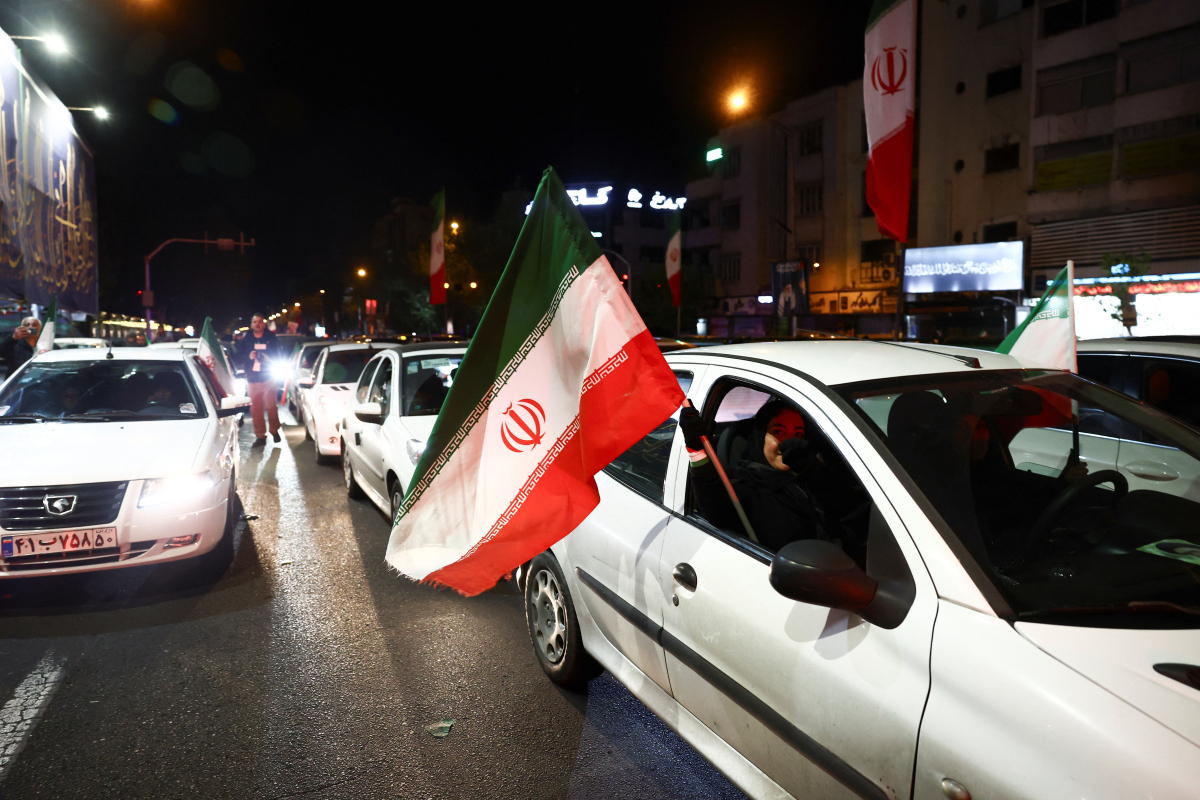
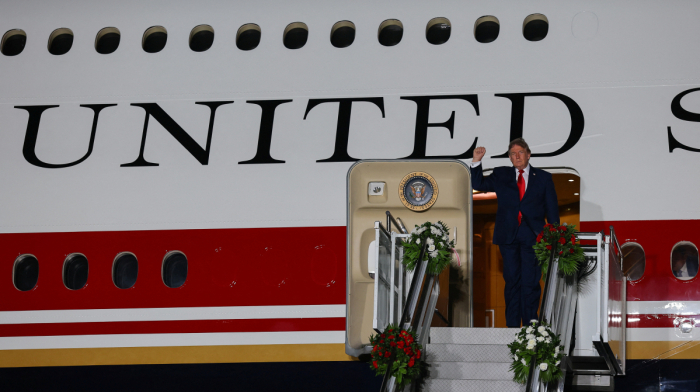
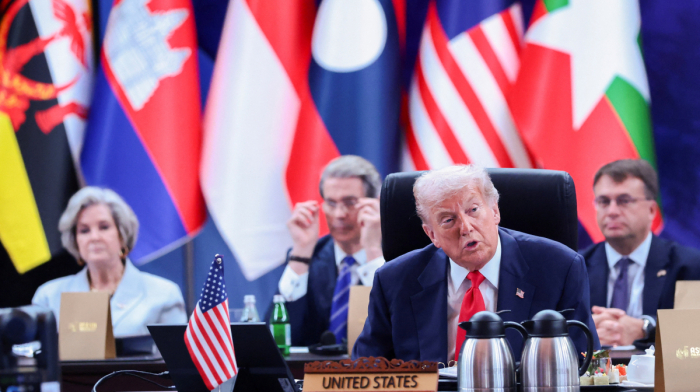
U.S. President Donald Trump announced on Tuesday that he had agreed to a two-week ceasefire with Iran, less than two hours before his deadline for Tehran to reopen the Strait of Hormuz or face U.S. attacks on its civilian infrastructure.
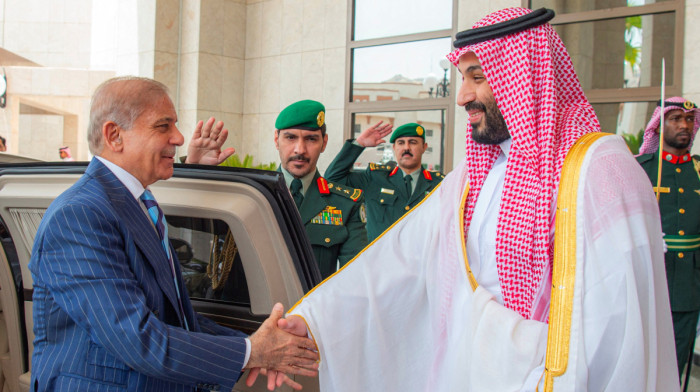
Iranian state television reported that Trump had accepted Tehran’s terms for ending the conflict, describing the move as a “humiliating retreat” for the U.S. president. Talks between the U.S. and Iran are set to begin on Friday in Islamabad, where Pakistan has served as mediator.
Earlier on Tuesday, Trump had issued a stark warning on social media, saying “a whole civilisation will die tonight” if Iran did not meet U.S. demands. The last-minute deal, Trump said, is contingent on Iran pausing its blockade of oil and gas shipments through the strait, which carries about one-fifth of global oil supplies.
“This will be a double-sided CEASEFIRE,” Trump wrote on his Truth Social platform. “The reason for doing so is that we have already met and exceeded all military objectives, and are very far along with a definitive agreement concerning long-term peace with Iran, and peace in the Middle East.”
Two White House officials confirmed that Israel has also agreed to the ceasefire and to suspend its bombing campaign on Iran. Minutes after Trump’s announcement, the Israeli military reported identifying missiles launched from Iran toward Israel.
Trump described Iran’s 10-point proposal as a “workable basis” for negotiations and said he expected an agreement to be “finalised and consummated” during the two-week ceasefire.
Global reaction
Markets enjoyed a relief rally as oil prices dropped CLc1, stocks surged and the dollar weakened in Asian trade, bolstered by hope that trade through the strait could resume.
Global leaders also welcomed the ceasefire with the Australian government saying that "the longer the war goes on, the more significant the impact on the global economy will be, and the greater the human cost".
By agreeing to the ceasefire, Trump may be showing an awareness that the war - which is deeply unpopular in many parts of the United States - is dragging on longer than he expected, analysts said.
"President Trump has clearly noticed that escalating against the Iranian regime is not going to lead to their collapse in the short- to medium-term, as he may perhaps have hoped," said Jessica Genauer, academic director of the Public Policy Institute at Australia's University of New South Wales.
"In the last few days we've seen President Trump wanting to find a route towards a way that the U.S. military can back out of the war with Iran, but also frame that as a kind of victory for the U.S."
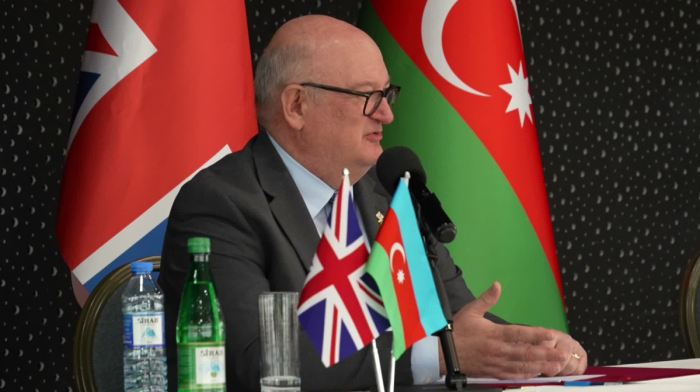
Over in the UK, British Prime Minister Keir Starmer will travel to the Gulf on Wednesday to hold talks with partners to ensure the Strait of Hormuz remains open permanently after a U.S.-Iran ceasefire, his office said.
"I welcome the ceasefire agreement reached overnight, which will bring a moment of relief to the region and the world," Starmer said in a statement.
"Together with our partners we must do all we can to support and sustain this ceasefire, turn it into a lasting agreement and re-open the Strait of Hormuz."
Starmer, who has been heavily criticised by U.S. President Donald Trump for failing to support the U.S. and Israeli strikes on Iran, has previously hosted multinational meetings on how allies could support the reopening of the key strait that is fundamental to oil and gas trade.
The British statement said Starmer would discuss diplomatic efforts to "support and uphold the ceasefire in order to bring about a lasting resolution to the conflict and protect the UK and global economy from further threats".
The visit to the region had been planned before the ceasefire was announced.
Abrupt turnaround
Trump's announcement capped a whirlwind day that was dominated by his threat to destroy every bridge and power plant in Iran unless Tehran reopened the strait. That unnerved world leaders, rattled global financial and energy markets and drew widespread condemnation, including criticism from the head of the United Nations and Pope Leo.
Some international law experts have said attacking civilian infrastructure indiscriminately could constitute a war crime.
The closure of the Strait of Hormuz has sharply increased oil prices, escalating the chances of a global economic downturn or even recession. The U.S. Energy Information Administration warned earlier on Tuesday that fuel prices could continue to rise for months even after the strait reopened.
With the U.S. midterm election campaign ramping up, Trump's approval ratings have hit their lowest level ever, leaving his Republican Party at risk of losing its narrow majorities in Congress. Polls show sizable majorities of Americans are opposed to the war and frustrated by the rising cost of gasoline.
As the clock ticked down to Trump's 8 p.m. EDT (0000 GMT) deadline, U.S. and Israeli strikes on Iran had intensified, hitting railway and road bridges, an airport and a petrochemical plant. U.S. forces attacked targets on Kharg Island, home to Iran's main oil export terminal.
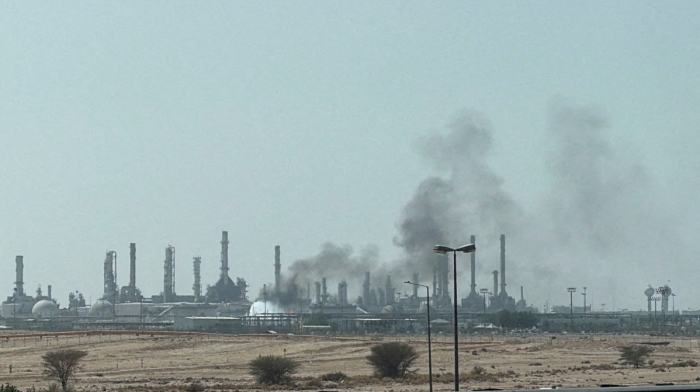
The abrupt turnaround followed a day of intense threats and military action. U.S. and Israeli strikes targeted bridges, airports, and petrochemical facilities in Iran, while Iran responded with attacks on Gulf shipping and a major Saudi petrochemical plant. Booms were reportedly heard in Doha late on Tuesday night.
The conflict, now in its sixth week, has claimed more than 5,000 lives across nearly a dozen countries, including more than 1,600 civilians in Iran, according to government and human rights sources. The closure of the Strait of Hormuz has caused oil prices to surge, raising fears of a global economic slowdown or recession.
Domestically, the conflict has added pressure on Trump as the U.S. midterm election campaign ramps up. His approval ratings have fallen to historic lows, with polls showing most Americans oppose the war and are frustrated by rising gasoline prices.










What is your opinion on this topic?
Leave the first comment