President Donald Trump said the U.S. "hasn't even started destroying what's left in Iran", reiterating vows to increase the ferocity of attacks on its infrastructure, as dozens of countries sought ways to restart vital energy shipments through the Strait of Hormuz
Nearly five weeks after it started with a joint U.S.-Israeli aerial assault, the war in Iran continues to spread chaos across the region and roil financial markets, raising the pressure on Trump to find a quick resolution to the conflict.
Trump has stepped up his rhetoric in recent days as negotiations conducted via intermediaries with new leaders in Iran show limited signs of progress.
The U.S. military "hasn't even started destroying what's left in Iran. Bridges next, then Electric Power Plants," Trump wrote on social media late on Thursday, adding that Iran's leadership "knows what has to be done, and has to be done, FAST!"
He earlier posted video of the U.S. bombing a newly constructed bridge between Tehran and the major northwest suburb of Karaj. The B1 bridge was scheduled to open to traffic this year. According to Iran's state media, eight people were killed and 95 others were wounded in the U.S. attack.
"Striking civilian structures, including unfinished bridges, will not compel Iranians to surrender," Iran Foreign Minister Abbas Araqchi said in a statement.
Satellite images also showed smoke rising from the port in Qeshm, an Iranian island strategically located in the Strait of Hormuz, earlier this week.
Concerns about potential U.S. war crimes raised
More than 100 American international law experts said on Thursday the conduct of U.S. forces and statements by senior U.S. officials "raise serious concerns about violations of international human rights law and international humanitarian law, including potential war crimes."
A letter signed by the experts particularly noted a mid-March comment from Trump where he said the U.S. may conduct strikes on Iran "just for fun." It also cited comments from Pentagon chief Pete Hegseth from early March in which he said the U.S. does not fight with "stupid rules of engagement."
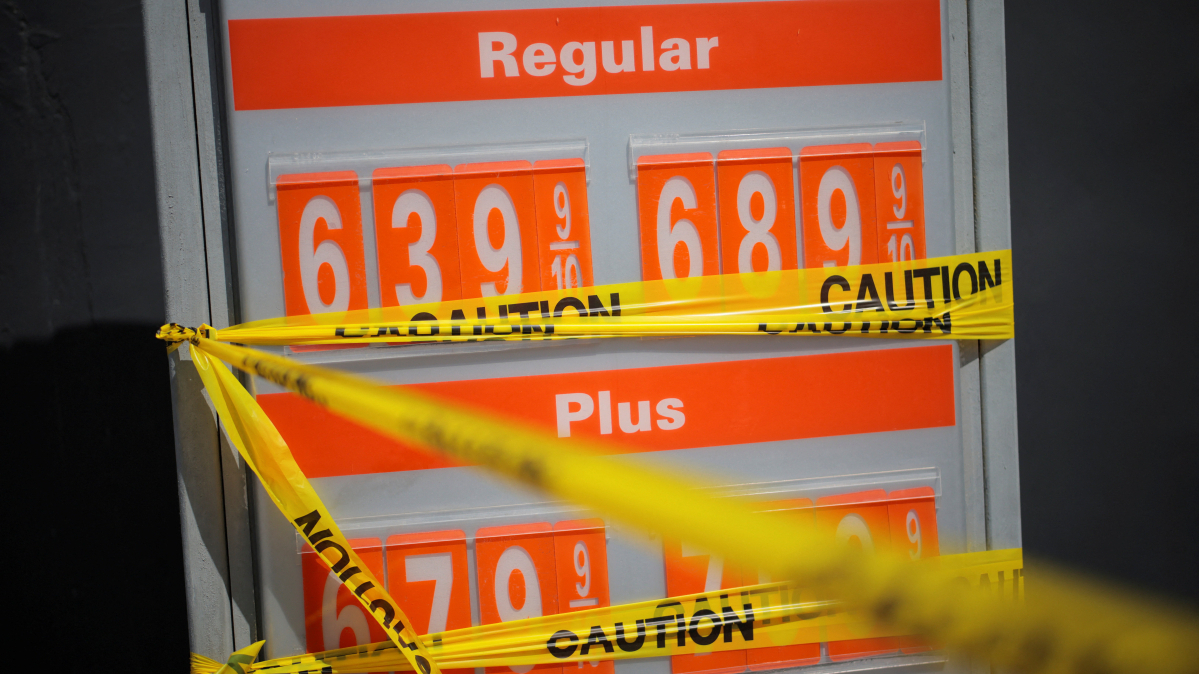
In a speech on Wednesday night, Trump repeated his threats against Iran's civilian power plants and gave no clear timeline for ending hostilities. That drew vows of retaliation from Iran, weighed on global share prices and sent oil prices surging on concerns the Strait of Hormuz would remain largely closed.
Britain chaired a virtual meeting on Thursday of some 40 countries to explore ways to restore freedom of navigation that did not produce any specific agreement, although participants agreed that all nations should be able to use the waterway freely, one official said.
UNSC to vote on Bahraini plan to protect shipping
The United Nations Security Council (UNSC) is set to vote on Saturday on a Bahraini resolution to protect commercial shipping in and around the strait, diplomats said, but veto-wielding China made clear its opposition to authorising any use of force.
Any military action would be "legitimising the unlawful and indiscriminate use of force, which would inevitably lead to further escalation of the situation and lead to serious consequences," China's UN envoy Fu Cong told the Security Council on Thursday.
Iran has effectively shut down the strait, which normally carries about a fifth of the world's total oil trade, in retaliation for U.S.-Israeli attacks that began on 28 February.
Tehran offered a competing vision for future control of the strait, and said it was drafting a protocol with neighbouring Oman that would require ships to obtain permits and licences.
The European Union's Foreign Policy Chief Kaja Kallas pushed back against Tehran's plan, saying Iran cannot be allowed to charge countries a bounty to let ships pass. "International law doesn't recognise pay-to-pass schemes," wrote Kallas on social media.
Fears of Iranian stranglehold on Middle East energy
There are fears the conflict may leave Iran with a stranglehold over Middle East energy supplies now that it has shown that it can block the Strait of Hormuz by targeting oil tankers and attacking Gulf countries hosting U.S. troops.
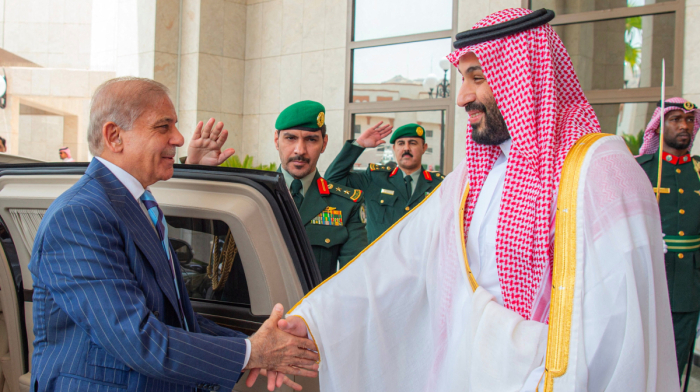
Gulf states say they reserve the right to self-defence but have refrained from responding militarily to repeated Iranian attacks over the past month, seeking to avoid escalation into a far more devastating all-out Middle East war.
Kuwait reported that its air defences were working to intercept missiles and drones twice on Friday.
Thousands of people have been killed and tens of thousands injured across the Middle East since the war began, with the head of the International Federation of Red Cross and Red Crescent Societies delegation saying on Thursday that medical needs were rising exponentially and supplies could run low.
Fuel shortages have already caused economic strains across Asia and are expected to bite in Europe soon, while a report by two UN agencies warned a sharp economic slowdown could spark a cost-of-living crisis in Africa.











What is your opinion on this topic?
Leave the first comment