Kazakhstan could begin building its first nuclear power plant in 2027, President Kassym-Jomart Tokayev said on 28 October, according to Azertac. But as Central Asia steps up its energy ambitions, which countries are investing in nuclear power and which are pursuing alternatives?
Tokayev wants to accelerate the Balkhash nuclear project, push ahead with preparations for a second plant at Moiynkum and consider establishing a strategic uranium reserve. According to Azertac, he also called for foreign partnerships to bring nuclear technology, manufacturing expertise and specialist training to Kazakhstan.
Across Central Asia, countries are taking markedly different approaches. Uzbekistan is already building a $9.5 billion nuclear facility, while Kyrgyzstan is prioritising hydropower and assessing other energy options. Tajikistan and Turkmenistan have yet to launch comparable commercial nuclear construction programmes, according to the official records reviewed.
Kazakhstan: Building more than power plants
Kazakhstan is planning far beyond its first reactor. Its nuclear industry strategy, approved in April 2026, envisages at least three operating nuclear power plants by 2050, according to the country's Atomic Energy Agency. The government is also exploring small modular reactors and further expansion to meet future electricity demand.
Russia's Rosatom is leading the first project near Lake Balkhash. Kazakhstan's Atomic Energy Agency confirmed that a contract covering design, supply and construction was signed with Rosatom subsidiary Atomstroyexport in September.
China could also become a key partner in Kazakhstan's nuclear expansion. The agency has identified China National Nuclear Corporation (CNNC) as the preferred lead partner for another nuclear project, although wider cooperation and construction arrangements have yet to be finalised.
The investment could also create opportunities for Kazakhstan's domestic industries. A government plan covering 2026–2030 aims to boost local involvement in nuclear construction and develop industrial suppliers.
Kazakhstan holds the world's second-largest identified uranium resources after Australia, according to data from the OECD Nuclear Energy Agency and the International Atomic Energy Agency. Tokayev's proposed strategic uranium reserve could help safeguard fuel supplies for the country's planned reactors.
Despite its ambitious targets, Kazakhstan has not yet disclosed a final investment budget for the full nuclear programme. The second plant remains under consideration, while small modular reactor technology is being explored for the third.
Uzbekistan: A $9.5 billion project already taking shape
While Kazakhstan prepares for construction, neighbouring Uzbekistan has already broken ground.
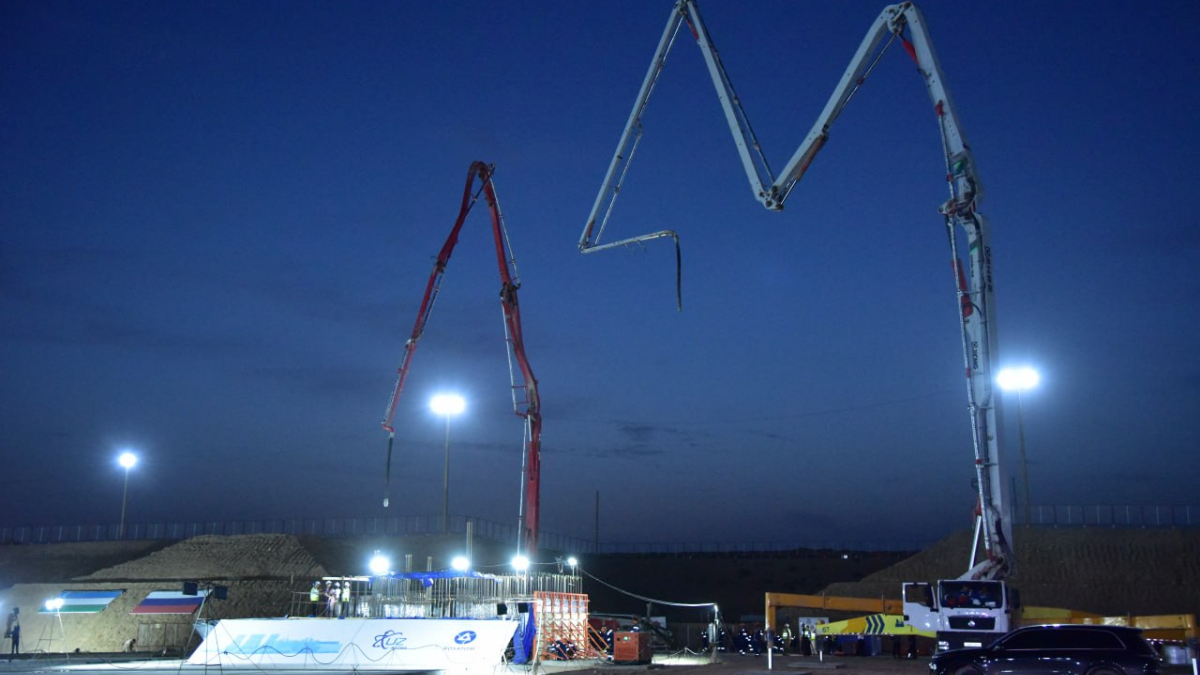
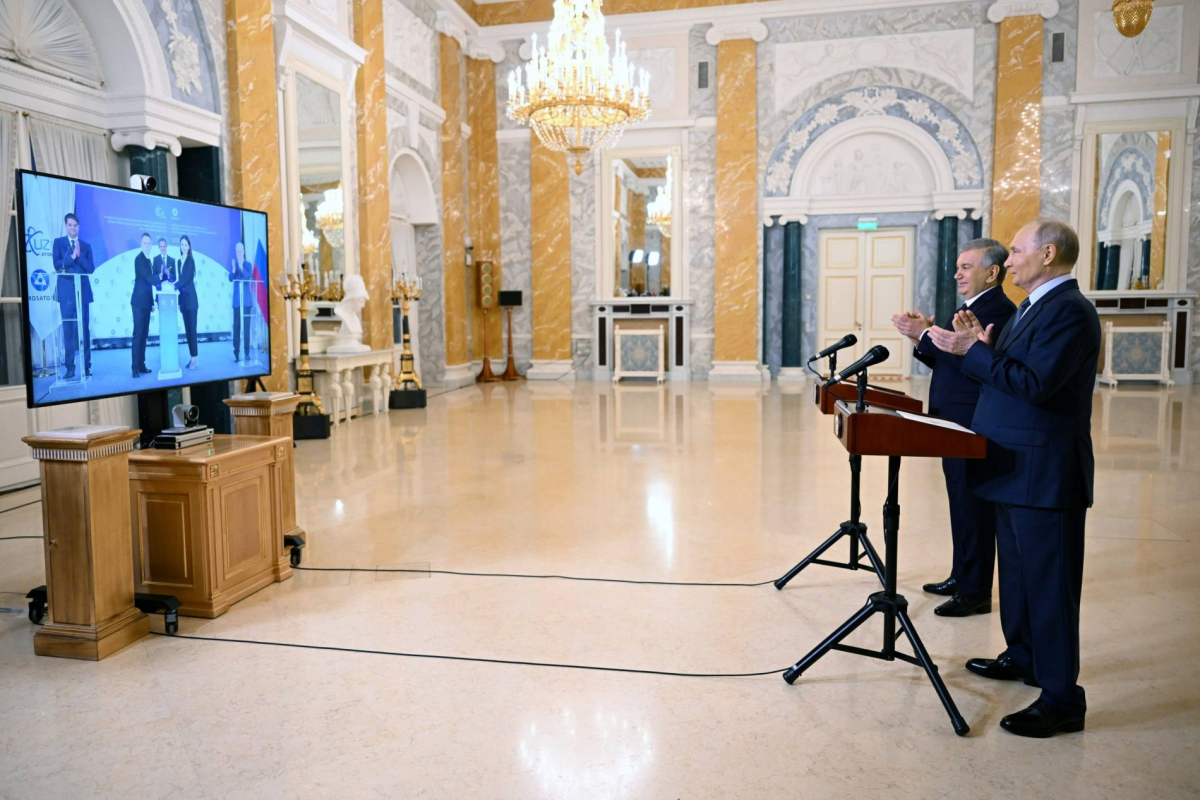
The country's first integrated nuclear power project entered its active construction phase on 4 June 2026, according to the Uzbek presidency. Located in the Jizzakh region, the facility will combine large reactors with smaller units developed in cooperation with Russia's Rosatom.
Uzbekistan's Atomic Energy Agency, Uzatom, puts the planned capacity at 2,110 megawatts, with projected annual generation of 16 billion to 17 billion kilowatt-hours. The agency estimates that the plant could eventually meet 12 to 15 per cent of the country's electricity needs.
The scale of investment extends well beyond nuclear reactors.
In September, President Shavkat Mirziyoyev's office valued the project at $9.5 billion. It reported that workers had already excavated more than one million cubic metres of soil and poured 916 cubic metres of concrete for the foundation slab.
Domestic businesses are also expected to benefit. According to the presidency, preliminary estimates put domestically produced goods at 21 per cent of project requirements, equivalent to $1.9 billion. Mirziyoyev instructed officials to raise that figure to at least 30 per cent and award 65 per cent of construction and installation work to local companies.
Plans also call for a 200-hectare (two-square-kilometre) industrial zone housing at least 100 joint ventures.
The project remains a priority for the Uzbek government. At a meeting with Rosatom's director general on 23 October, Mirziyoyev reviewed ongoing foundation work and supporting infrastructure, his office said.
Kyrgyzstan: Nuclear discussions, hydropower investment
Unlike Kazakhstan and Uzbekistan, Kyrgyzstan has not yet committed to constructing a nuclear power plant.
Its Ministry of Energy signed an agreement with Russia's Rosatom in 2022 to study the feasibility of a small nuclear reactor, with a preliminary assessment completed in 2023. However, neither a construction timetable nor a final investment budget has been announced.
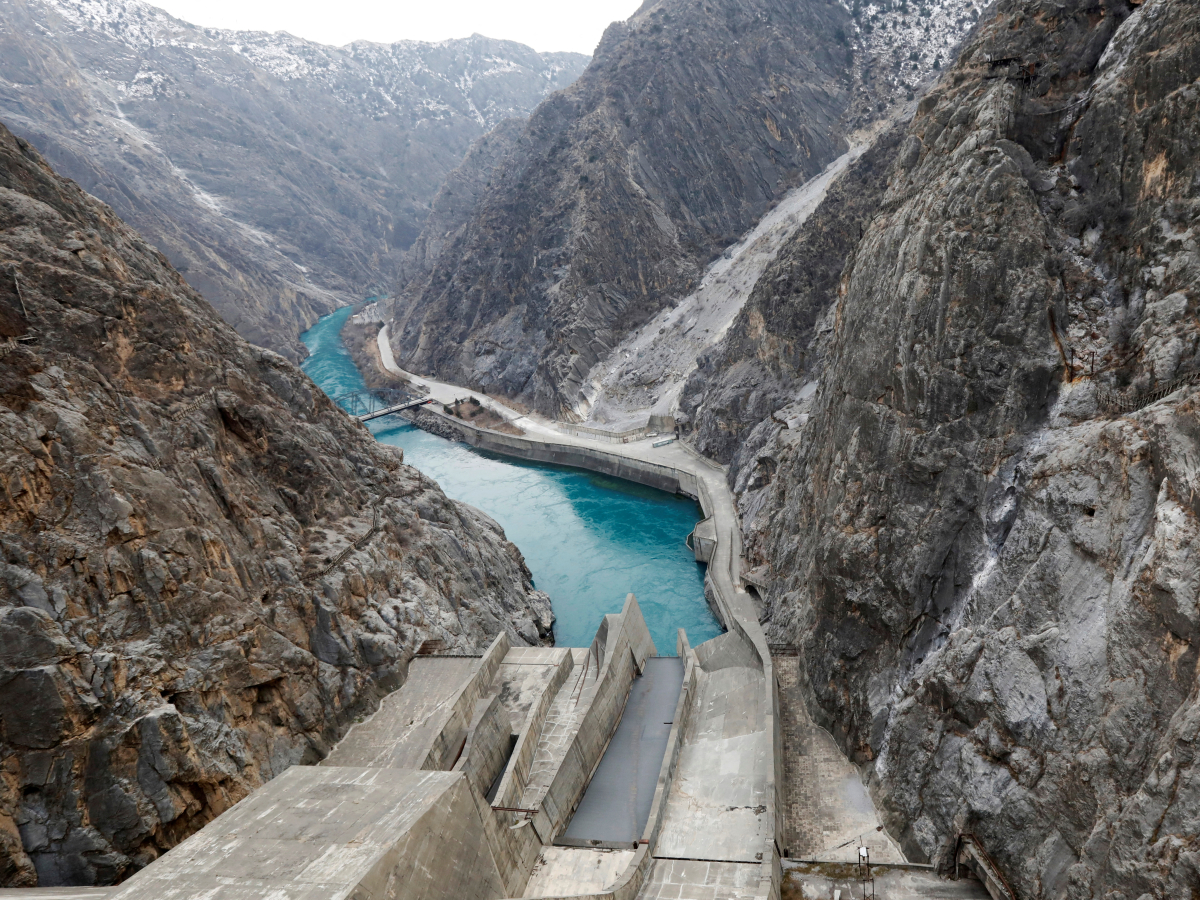
For now, the country's investment focus is on hydropower and renewables. According to Kyrgyzstan's National Investment Agency, these energy sources are central to efforts to meet growing electricity demand, modernise ageing infrastructure and tackle supply shortages.
The Ministry of Energy said 13 small hydropower stations, with a combined planned capacity of 81.03 megawatts, were scheduled to begin operating in 2026. Another 48 small stations, with a combined capacity of 421.26 megawatts, are planned for 2026–2030.
Tajikistan and Turkmenistan: No reactors under construction
Elsewhere in Central Asia, nuclear power development remains at an earlier stage.
Neither Tajikistan nor Turkmenistan has a commercial nuclear power reactor under construction, according to records from the International Atomic Energy Agency (IAEA). Official sources reviewed for this article also show no confirmed investment projects comparable to those in Kazakhstan and Uzbekistan.
Tajikistan has explored the potential of nuclear energy, although its nuclear-related challenges also include the legacy of uranium mining. A national presentation hosted by the IAEA highlights radioactive waste left behind by earlier mining and processing operations.
Turkmenistan cooperates with the IAEA on peaceful nuclear technologies and safety, but has not approved a project to build a nuclear power plant for electricity generation.
Russia, China and the investment question
The region's emerging nuclear industry is also creating opportunities for foreign investment and industrial partnerships.
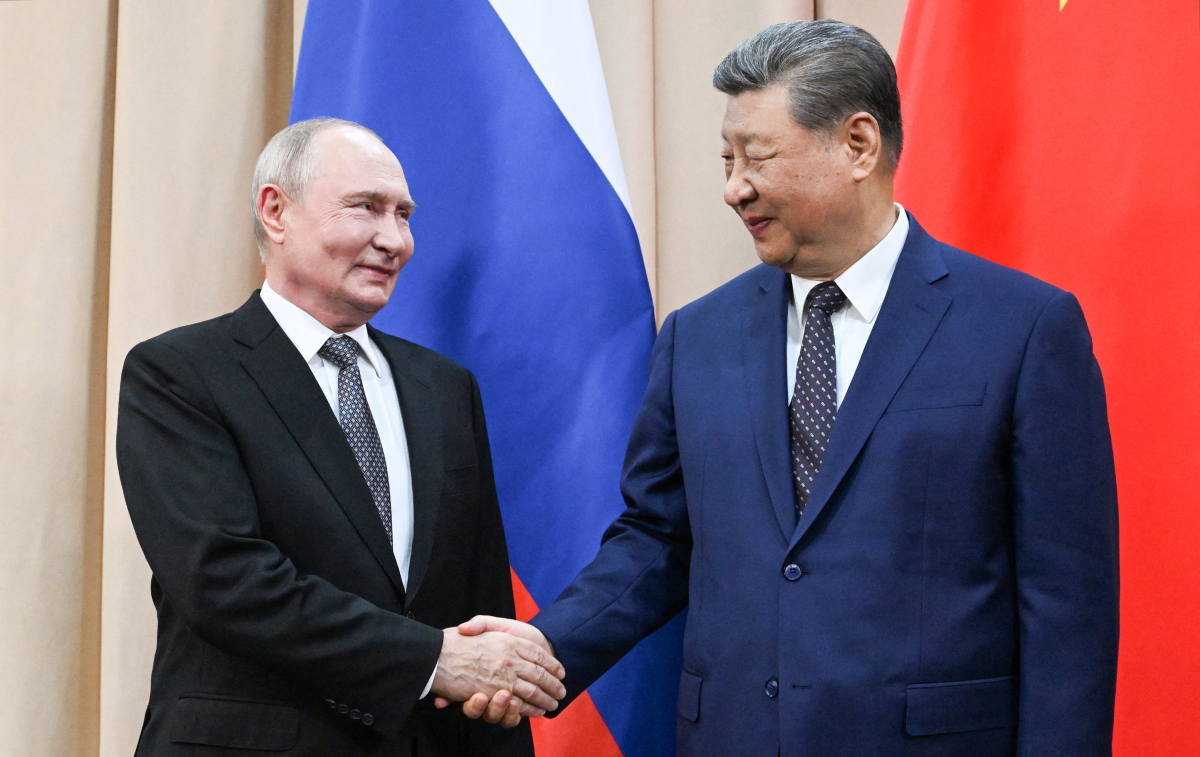
Russia is a major player, leading Kazakhstan's first nuclear power project and working with Uzbekistan on its $9.5 billion facility. China, meanwhile, is in line to play a significant role in Kazakhstan's future expansion.
The financial picture, however, differs sharply between the two countries.
Uzbekistan has announced a $9.5 billion investment estimate, alongside specific targets for domestic procurement and construction. Kazakhstan has outlined a broader, long-term strategy involving multiple plants, but the overall cost has yet to be established.
For Central Asia, the divide is becoming clearer: Uzbekistan is already investing billions in construction, Kazakhstan is preparing for a larger nuclear programme, and its neighbours are either weighing their options or focusing on other energy sources.













What is your opinion on this topic?
Leave the first comment