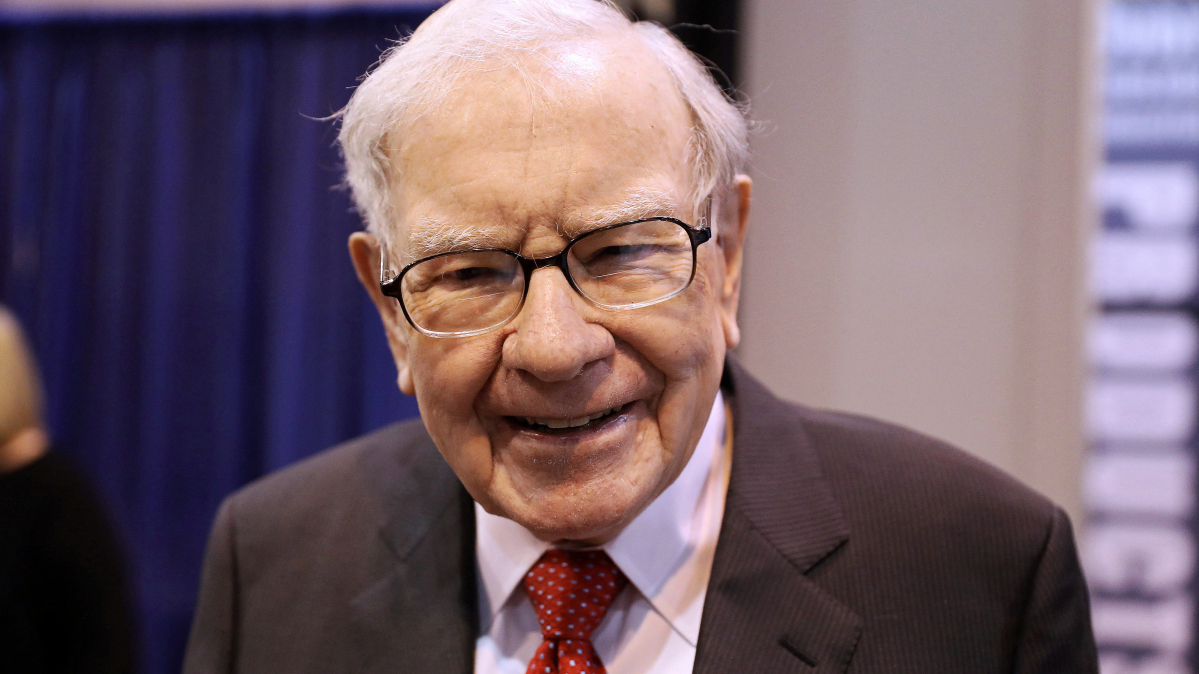
Warren Buffett has stepped down as chairman of Berkshire Hathaway, marking the end of one of the most influential leadership tenures in corporate history and completing a succession process that has been years in the making.
The 96-year-old investor, widely regarded as one of the greatest capital allocators of all time, will remain involved with the company as chairman emeritus and continue serving on Berkshire's board.
His departure from the chairman's role comes less than a year after he handed over day-to-day management of the conglomerate to longtime lieutenant Greg Abel.
The board has appointed Howard Buffett, Warren Buffett's son and a long-serving Berkshire Hathaway director, as the company's new chairman. The move follows a succession framework that the company has discussed with shareholders for years, aimed at ensuring continuity after the eventual transition from its legendary leader.
The end of a remarkable chapter
Buffett's departure from the chairmanship closes a leadership era that began in 1970, five years after he gained control of Berkshire Hathaway.
At the time, the company was a struggling textile manufacturer with limited prospects. Over the following six decades, Buffett transformed it into one of the world's most valuable and diversified corporate groups.
Today, Berkshire's business empire spans insurance, rail transportation, energy, manufacturing, consumer products and retail operations. The company owns a range of well-known businesses and holds major investments in some of America's largest publicly traded corporations.
Through a disciplined investment philosophy centred on buying quality businesses and holding them for the long term, Buffett built Berkshire Hathaway into a corporate powerhouse while earning a reputation for consistency and patience often absent from modern financial markets.
Succession plan takes shape
The leadership transition has been closely watched by investors for years.
Greg Abel officially succeeded Buffett as chief executive at the end of 2025, taking responsibility for overseeing Berkshire Hathaway's diverse collection of businesses. Buffett's latest move formally separates operational leadership from the role of safeguarding the company's culture and long-term vision.
Under the new structure, Abel will continue running the company, while Howard Buffett is expected to help preserve the principles that have guided the multinational conglomerate for decades.
Executives have repeatedly stressed that maintaining the company's culture remains one of the top priorities of the transition process.
Building a unique corporate culture
Much of Berkshire Hathaway's success has been attributed not only to investment decisions but also to the unusual corporate culture Buffett developed.
Unlike many large conglomerates, Berkshire operates with a highly decentralised structure, allowing subsidiary companies significant independence while maintaining strict standards regarding capital allocation and financial discipline.
That approach helped attract business owners who wanted to sell their companies without sacrificing their operational autonomy.
It also created an organisation built around long-term thinking rather than short-term market pressures, a philosophy Buffett championed throughout his career.
Howard Buffett is widely expected to play an important role in ensuring those values continue after his father's departure from active leadership.
From Omaha investor to global icon
Born in Omaha, Nebraska, in 1930, Buffett displayed an interest in business and investing from a young age.
After studying under renowned value-investing pioneer Benjamin Graham, he established an investment partnership that eventually led him to Berkshire Hathaway.
Over the decades, his investment record transformed him into a global financial icon known as the “Oracle of Omaha.”
Berkshire's annual shareholder meetings evolved into major events attended by tens of thousands of investors from around the world, many seeking insights into Buffett's views on markets, business and life.
His annual shareholder letters became required reading for investors, executives and business students alike.
Legacy beyond business
Buffett's influence extends far beyond corporate boardrooms and financial markets.
Despite becoming one of the world's wealthiest individuals, he has pledged to donate the overwhelming majority of his fortune to philanthropic causes. He was also a co-founder of the Giving Pledge initiative, which encourages billionaires to commit most of their wealth to charitable purposes.
His son, Howard Buffett, has likewise built a reputation through philanthropic work, particularly in areas related to food security, agriculture and conflict mitigation.
Berkshire enters a new era
While Buffett's chairman emeritus role ensures he will remain connected to the company, Berkshire Hathaway is now firmly entering its post-Buffett era.
Investors will be watching closely to see how the conglomerate evolves under its new leadership team, but company executives have sought to reassure shareholders that the principles responsible for Berkshire Hathaway's success will remain unchanged.
For many market observers, Buffett's departure from the chairmanship represents more than a corporate leadership change. It marks the conclusion of a remarkable period in American business history during which a small textile company was transformed into a global conglomerate worth hundreds of billions of dollars.
Read more business news:



















What is your opinion on this topic?
Leave the first comment