Daily Brief: Top technology stories to know this week
Here's your AnewZ Daily Brief for 28 September 2026. These are the top stories making headlines in technology.

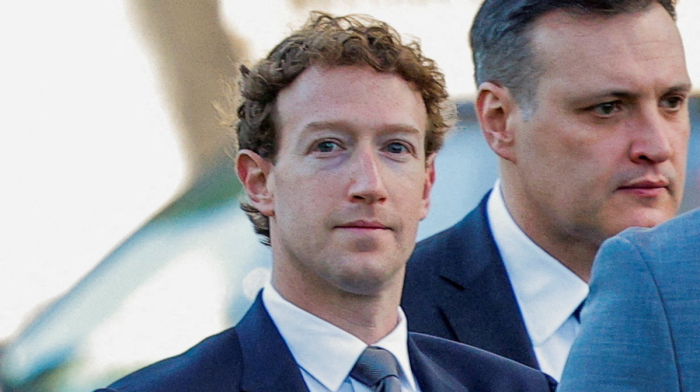
Meta has unveiled a new generation of wearables, including lightweight virtual reality glasses and camera-free smart spectacles, as it pushes AI-powered devices further into the mainstream while seeking to address privacy concerns.
Some of the world’s most powerful technology executives are lobbying U.S. President Donald Trump over artificial intelligence regulation, exposing growing divisions within the industry over how governments should respond to rapidly advancing AI.
Poland has urged the European Union to accelerate action against Meta after a new report estimated the technology giant could have earned around $199 million (760 million zlotys) from fraudulent advertisements in the country over a year.
Nobel laureate Geoffrey Hinton has warned against rushing to develop artificial superintelligence, arguing that scientists still do not know how to ensure systems more capable than humans remain safe and under control.
Poland has asked the European Commission to impose a €250 million ($291.3 million) fine on Meta, accusing the technology company of failing to adequately tackle fraudulent advertisements on its platforms.
Start your day informed with AnewZ Morning Brief. Here are the top news stories for the 27th of August, covering the latest developments.
Meta Platforms has agreed to pay up to $16.68 billion and make sweeping changes to Facebook and Instagram to settle claims that its platforms put children and teenagers at risk.
Instagram Chief Adam Mosseri has acknowledged that few teenagers used Instagram’s “Take a Break” feature before it became a default setting, as Meta faces a major U.S. trial over child safety.
The U.S. State Department has drafted a letter urging 35 countries to choose sides in the global AI race, but the rapid spread of open models highlights the limits of efforts to divide an increasingly interconnected technology ecosystem.
Meta said it had removed more than 750,000 Facebook and Instagram accounts suspected of belonging to Australians under 16, as the country’s internet regulator weighs enforcement action over its teen social media ban.
Thousands of lawsuits accusing some of the world's biggest social media companies of designing platforms that keep young users hooked can now move forward after a U.S. appeals court rejected an attempt to halt the litigation.
A U.S. appeals court on Monday cleared the way for thousands of lawsuits against Meta, Google, TikTok and other social media companies over claims their platforms were deliberately designed to be addictive to young users.
Start your day informed with AnewZ Morning Brief. Here are the top news stories for the 7th of August, covering the latest developments.
A U.S. judge has ordered Meta to pay an additional $567 million over claims that its platforms failed to protect children from online harm.
Meta said one of its AI models hacked another company's systems during cybersecurity testing, intensifying concerns about how developers can contain increasingly capable AI systems following similar incidents involving Anthropic and OpenAI.
Vietnam is planning to require social media platforms to stop users under 16 from posting content, commenting or reacting to posts under a draft decree designed to strengthen online protections for children.
Following major layoffs in May, when Meta Platforms cut 10 per cent of its global workforce, 26 former employees have filed a lawsuit accusing the tech giant of using AI-powered software that unfairly targeted people with disabilities and those who took medical or family leave.
France's competition authority has ordered Meta to return to negotiations with French publishers and present a payment proposal within 15 days after a dispute over unpaid fees for the use of news content on its platforms.
Governments are tightening restrictions on teenagers’ use of social media amid growing concerns over mental health, online safety and platform design, but questions remain over enforcement and whether bans can meaningfully change behaviour.
A U.S. federal judge has rejected Meta Platforms’ attempt to dismiss a lawsuit brought by 29 state attorneys general, clearing the way for claims that the company designed Facebook and Instagram to be addictive to children and concealed risks from the public.
Australia said it would double the maximum penalty it can impose on tech firms found to have failed to uphold a groundbreaking social media ban for children, as evidence mounts that the ban has had little effect on teen use.
Major technology, telecom, aviation and crypto-related firms have pledged to strengthen cooperation to tackle the illegal wildlife trade according to statements made at a business forum convened by United for Wildlife during London Climate Action Week.
The European Union is preparing sweeping new regulations targeting the addictive design features of major social media platforms, including TikTok, Meta and X, amid mounting evidence linking their use to serious mental health harm among children and teenagers.
You can download the AnewZ application from Play Store and the App Store.