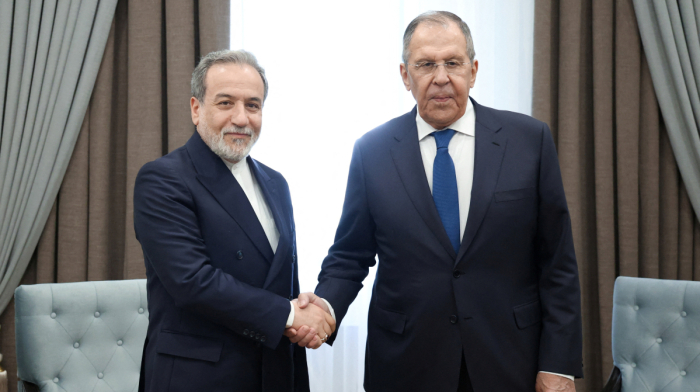
Iran stretches diplomatic muscles, shattering illusion of defeat
One month into the war on Iran which broke out on 28 February, and Tehran has intensified its diplomatic offensives in a bid to prove that Israel and U.S. have lost control of the war.
The Middle East conflict has entered a new phase, with Israel expanding its operations into southern Lebanon and tensions with Iran escalating. Analysts warn that the collapse of traditional deterrence and rising nuclear risks could trigger a global arms race.
Iran on Monday described U.S. proposals to end a month-long war in the Middle East as “unrealistic, illogical and excessive” and launched further missile strikes on Israel as oil prices continued to climb following Yemen’s Houthi entry into the conflict.
The escalation of conflict involving the United States, Israel, and Iran since 28 February 2026 has moved beyond a regional security crisis to become a systemic shock to the global economy and our pockets.
U.S. President Donald Trump has been weighing whether to deploy ground forces to seize Iran’s strategic oil hub of Kharg Island - an operation analysts say could be swift, but would expose U.S. troops to significant danger and potentially prolong, rather than shorten, the war.
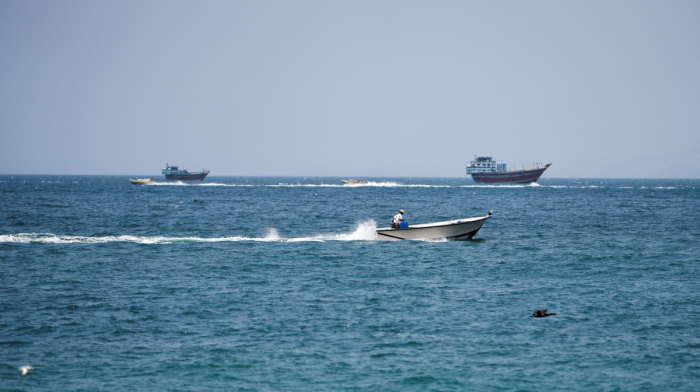
Stock markets across Asia fell on Monday as escalating conflict involving Iran drove oil prices sharply higher, fuelling fears of inflation and a potential global recession, with investors reacting to disruption risks in the Strait of Hormuz and prolonged hostilities.
The war in Iran has rapidly upended regional security, triggering spillover across the Middle East and raising fears of wider economic disruption that could threaten globalisation.
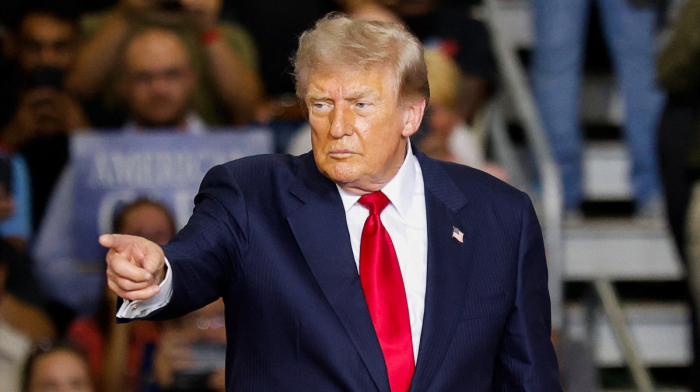
U.S. President Donald Trump has said that the U.S is in talks with the new Iranian regime. He said this in a post on his Truth Social account but warned that the U.S. will "Obliterate" Iran's electric and oil facilities if no deal is reached, especially regarding the Strait of Hormuz closure.
President Donald Trump said the U.S. and Iran have been meeting "directly and indirectly" and that Iran's new leaders have been "very reasonable", as more U.S troops arrived in the region and Tehran warned it will not accept humiliation.
German Chancellor Friedrich Merz has voiced doubts about the effectiveness of the U.S. and Israeli military campaign in Iran, warning that the conflict risks becoming prolonged and increasingly complex.
G7 foreign ministers have condemned attacks on civilians in the Iran war and demanded the free and safe passage of ships through the Strait of Hormuz.
Iran’Iran’s Foreign Minister, Abbas Araghchi, has rejected an offer of negotiations from the U.S. President, Donald Trump, amid the ongoing Israel–U.S. war with Iran, describing the proposal as a “contradiction” in Washington’s words and actions.
U.S. President Donald Trump said on Thursday he would pause attacks on Iran's energy plants for 10 days at Tehran's request and said talks with Iran were going "very well," although an Iranian official dismissed a U.S. proposal for ending nearly four weeks of fighting as "one-sided and unfair."
Iran has alerted the International Criminal Court (ICC) to the killing of civilians, medical staff and aid workers in U.S.–Israeli attacks, the vice-president of the Iranian Red Crescent Society has said.
Israel said it had killed Iranian Navy Commander Alireza Tangsiri in an air strike on Thursday (26 March), as multiple reports emerged of Tehran allowing some ships through the Strait of Hormuz.
There’s little indication that recent developments between the United States and Iran have shifted either side’s core positions, according to political analyst James Dorsey who spoke to AnewZ on the Daybreak programme.
Petrol price spikes triggered by the war in Iran are boosting used electric vehicle sales across Europe, online car platforms told Reuters, in an early sign that pain at the pump is pushing consumers away from combustion engines.
Foreign ministers from the world's leading Western democracies meet in France this week against the backdrop of wars in Iran and Ukraine, economic uncertainty, and mounting unease over an increasingly unpredictable U.S. foreign policy.
Iran is reviewing a U.S. proposal to end the war in the Gulf but has no intention of holding talks to wind down the widening Middle East conflict, the country's foreign minister said on Wednesday (25 March).
Both the United States and Iran are giving conflicting messages about trying to end the conflict in the Middle East as the rest of the world battle with the consequences of the war. Welcome to AnewZ's coverage of the tensions in the Middle East.
Conflicting messages emerged from Iran about its response to a U.S. peace offer reportedly delivered to it by Pakistan on Wednesday (25 March). Meanwhile, Tehran's government unveiled its own counterproposal to end the conflict.
Iran has rejected a U.S. proposal to end the war, insisting any ceasefire will occur only on its own terms and timeline, according to a senior political-security official speaking to state-run Press TV on Wednesday.
Spanish Prime Minister Pedro Sánchez has said it is unfair for people around the world to shoulder the cost of U.S.–Israeli attacks on Iran, warning that Spanish firms have already lost €100 billion ($116 billion) in less than a month as a result of the conflict.
Iran’s Foreign Minister Abbas Araghchi called on Beijing and Moscow to prevent Washington from continuing to abuse the United Nations Security Council. He made the comment during a phone conversation with Chinese Foreign Minister Wang Yi according to state-owned IRNA news agency.
You can download the AnewZ application from Play Store and the App Store.