AnewZ Morning Brief – 5 June 2026
Start your day informed with the AnewZ Morning Brief. Here are the top stories for the 5 June, covering the latest developments you need to know.
U.S. President Donald Trump said he sees progress between Israel and Lebanon after talks with Netanyahu, while Hezbollah has rejected a new ceasefire proposal and Israel has ruled out a troop withdrawal.
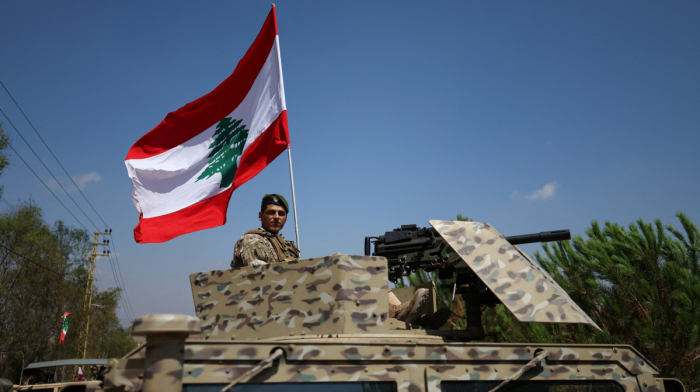
Israel and Lebanon have agreed to implement a ceasefire after U.S.-backed talks in Washington. The deal requires Hezbollah to halt attacks and withdraw from southern Lebanon, while both sides will resume direct talks later this month aimed at reaching a broader agreement.
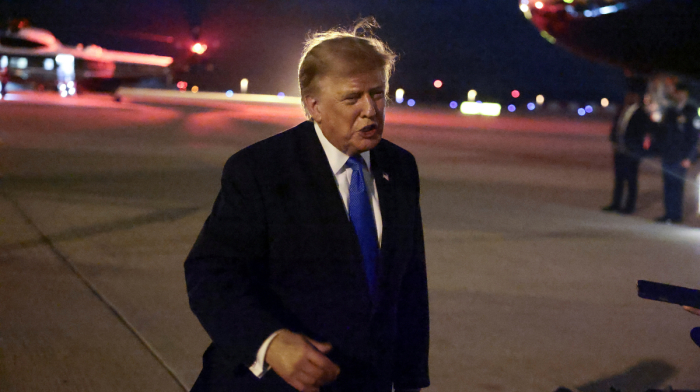
Trump reportedly lashed out at Netanyahu on Monday over Israel's escalation in Lebanon, describing the Israeli leader as "crazy" and warning that further military action would deepen Israel's international isolation, according to a report by Axios.
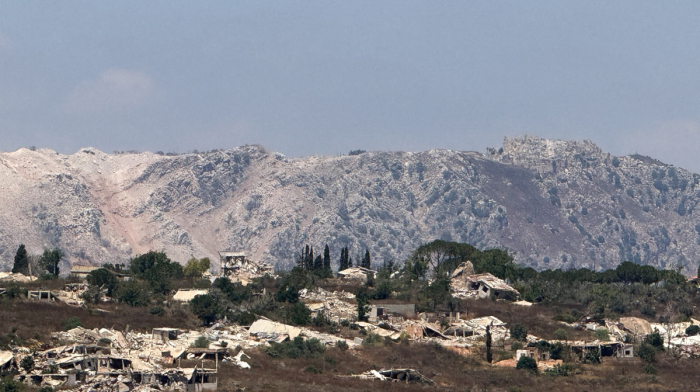
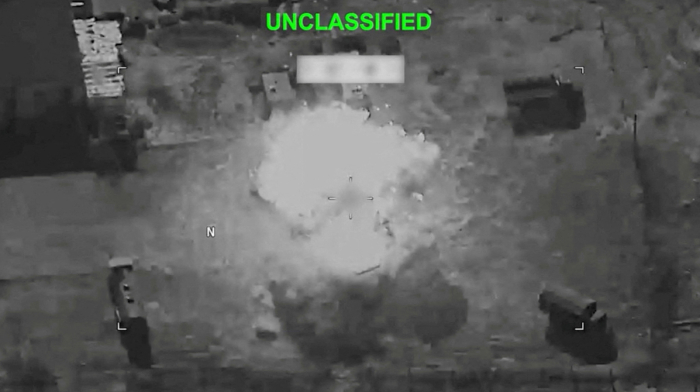
Israeli forces carried out more than 120 airstrikes across southern and eastern Lebanon on Tuesday (26 May), killing at least 31 people in one of the heaviest bombardments in recent weeks, according to Lebanese security and health officials.
Dozens of people were killed in Israeli strikes on Lebanon on Tuesday, Lebanese officials said, straining a fragile ceasefire agreed between the countries in April. The attacks came as Iran accused the U.S. of violating a separate ceasefire with strikes near the Strait of Hormuz.
A "largely negotiated" memorandum of understanding on an Iran peace deal would reopen the Strait of Hormuz, U.S. President Donald Trump said on Saturday, though the Iranian Fars news agency disputed that claim.
U.S. President Donald Trump said on Monday he had paused a planned attack on Iran after appeals from the leaders of Qatar, Saudi Arabia and the United Arab Emirates, allowing negotiations to continue over a possible deal to end the conflict.
U.S. President Donald Trump says China's Xi Jinping agreed Iran must reopen the Strait of Hormuz, as Tehran prepares a new shipping mechanism. Tensions over the U.S. blockade and stalled nuclear talks continue to disrupt global oil supplies.
Israel and Lebanon have agreed to a 45-day extension of a ceasefire that has reduced fighting between Israel and Hezbollah in southern Lebanon. The agreement came as two days of Washington-facilitated talks concluded with a decision to hold further meetings in the coming weeks.
Iran’s Foreign Minister Abbas Araghchi said Tehran has “no trust” in the United States and will only consider negotiations if Washington shows seriousness. His remarks came as talks on Iran’s nuclear programme continued, with Trump and Xi also opposing Iran acquiring nuclear weapons.
The United States cast Israel-Lebanon talks held in Washington on Thursday as "productive and positive" and a State Department official said more discussions aimed at ending their conflict will continue on Friday.
An article published in The Lancet, one of the world’s leading medical journals, has warned that damage to Iran’s Pasteur Institute during the Israel–U.S. war on the Islamic Republic poses a “serious threat to regional health security.”
U.S. President Donald Trump said he does not think he will need China's help to end the war with Iran as he left for a high-stakes summit in Beijing on Tuesday, as hopes for a lasting peace deal dwindled and Tehran tightened its grip over the Strait of Hormuz.
U.S. President Donald Trump on Monday dismissed Iran’s response to a U.S. peace proposal as a “stupid proposal,” saying Tehran failed to commit to abandoning its pursuit of a nuclear weapon, while warning the fragile ceasefire was on “massive life support”.
Israeli Prime Minister Benjamin Netanyahu said Israel aims to eventually end its reliance on U.S. financial military support within the next decade. The decision signals a long-term shift in the country’s defence policy as it seeks to deepen ties with Gulf states.
Efforts to end the U.S.-Iran war appeared to stall as the two sides exchanged fire in and around the Strait of Hormuz. A reported CIA assessment suggested Tehran could withstand a U.S. naval blockade for months despite mounting sanctions and renewed Gulf attacks.
The U.S. and Iran exchanged fire in and around the Strait of Hormuz, though both sides signalled they did not want escalation. The clashes come as Washington awaits Tehran’s response to a proposed deal to end the war while leaving key disputes, such as Iran’s nuclear programme, unresolved for now.
Tensions between the U.S. and Iran remain far from a genuine ceasefire, as military posturing, sanctions and uncertainty over diplomacy continue to fuel fears of a broader regional confrontation.
The U.S military said it carried out retaliatory strikes on Iran on Thursday (7 May). Meanwhile, Iran's Joint Military Command accused the U.S. of breaching the ceasefire, by striking an Iranian oil tanker in the Strait of Hormuz and launching attacks on several Iranian cities.
U.S.-Iran diplomacy is gaining momentum after weeks of military escalation, but tensions remain high from the Strait of Hormuz to Lebanon. Analysts say simultaneous negotiations and military pressure reflect a broader regional struggle that is far from over.
A senior commander in Hezbollah’s elite Radwan force was killed in an Israeli airstrike in Beirut on Wednesday (6 May), highlighting ongoing tensions despite a fragile ceasefire between Israel and Hezbollah.
The Iron Dome has long symbolised Israeli security, reshaping modern warfare with its reported “90% success rate”. But as regional tensions surge in April 2026, questions are growing over whether the world’s most battle-tested air defence system can remain sustainable.
Five people have been killed in Israeli air strikes on southern Lebanon, including three emergency responders who rushed to help victims of an earlier blast, according to Lebanese officials.
You can download the AnewZ application from Play Store and the App Store.