Oil prices plunge as U.S.-Iran hostilities pause
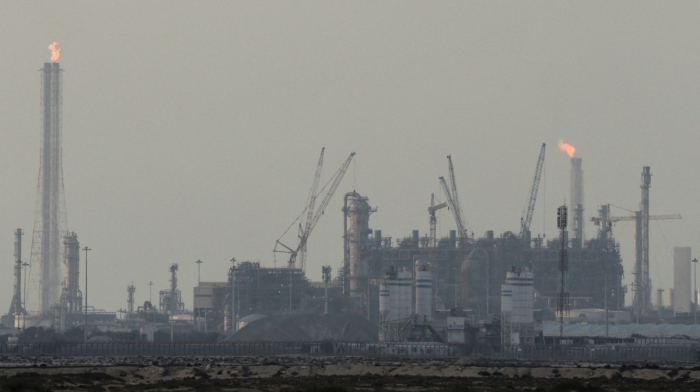
Oil prices have fallen more than six per cent as a pause in U.S.-Iran hostilities eased fears of wider supply disruption around the Gulf.
Iran and the U.S. are at odds over planned talks in Doha, with Tehran denying any meeting is scheduled despite Washington preparing to send senior envoys. The disagreement comes amid renewed missile attacks and rising tensions that are testing a fragile ceasefire.
Government bond markets from Tokyo to New York extended losses on Monday (18 May) as rising energy prices linked to the Middle East conflict heightened inflation concerns and reinforced expectations that major central banks could keep interest rates higher for longer.
Indian Prime Minister Narendra Modi has significantly reduced the size of his motorcade to save fuel, a government source said on Wednesday, days after urging citizens to adopt austerity measures amid surging energy prices linked to the Iran war.
The Strait of Hormuz remains a vital maritime chokepoint and serves as the primary artery linking the Persian Gulf to international energy markets. With approximately 20% of global oil and gas shipments transiting this waterway, it is the backbone of energy security for Asia, Europe, and beyond.
The decision by the United Arab Emirates to leave OPEC+ on 1 May has put renewed focus on one of the most influential groups in global energy - and how its decisions can shape oil prices worldwide.
Global shipping through the Strait of Hormuz has shown signs of partial recovery after Iran announced it was open to commercial vessels during a limited ceasefire, though uncertainty remains over security conditions and compliance rules.
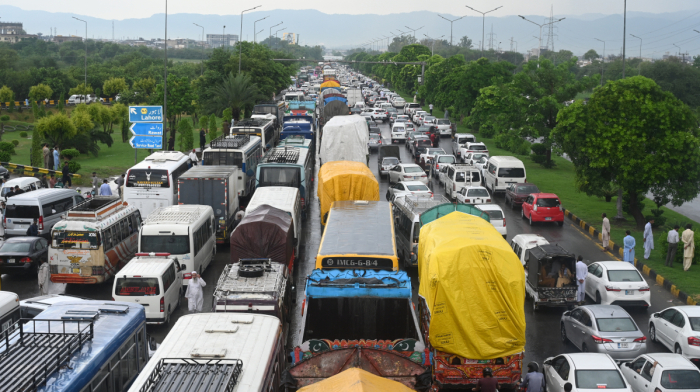
Since Monday, Monday (13 April), America has blocked traffic entering and leaving Iran's ports, in an escalation of the conflict in the Middle East. The consequences of that will continue to impact the global oil supply.
Oil prices surged on Monday (13 April) as the U.S. moved to impose a blockade on Iranian shipping after the collapse of weekend peace talks, while the dollar rose and stocks and bonds fell.
Oil prices climbed sharply on Tuesday as the world watched anxiously for a U.S.-imposed deadline for Iran to reopen the Strait of Hormuz, the crucial waterway through which roughly a fifth of global oil passes.
Oil prices rose sharply on Monday as fears deepened over potential supply shortages caused by the ongoing conflict in the Middle East, unsettling global energy markets and the row over the Strait of Hormuz, raising concerns for consumers and businesses alike.
The escalation of conflict involving the United States, Israel, and Iran since 28 February 2026 has moved beyond a regional security crisis to become a systemic shock to the global economy and our pockets.
China is raising domestic petrol and diesel prices under temporary measures to manage a sharp surge in global oil costs, aiming to support fuel suppliers while maintaining market stability during a period of heightened volatility.
Member countries of the International Energy Agency have unanimously agreed to release 400 million barrels of oil from emergency reserves to stabilise global markets disrupted by the war involving Iran.
China has raised the retail prices of petrol and diesel after global oil prices climbed sharply. The country’s top economic planning body, the National Development and Reform Commission (NDRC), announced the move after reviewing international oil market trends.
The Group of Seven (G7) finance ministers will meet on Monday to discuss a global rise in oil prices and a joint release of oil from emergency reserves coordinated by the International Energy Agency, the Financial Times reports.
The European Commission sees no immediate impact on the European Union's security of oil supply from the escalating conflict in the Middle East, it said in an email to EU governments, seen by Reuters on Monday (2 March).
Shares of major U.S. oil and energy companies surged on Monday even as crude prices showed little movement, revealing a growing divergence between energy equities and the underlying commodities market.
International oil prices rose sharply on Wednesday after U.S. President Donald Trump ordered a “total and complete blockade” of all U.S.-sanctioned oil tankers entering and leaving Venezuela.
Oil prices rose by about 2 percent on Wednesday after U.S. crude stockpiles fell far more than expected, while investors awaited the outcome of efforts to end the conflict in Ukraine, with sanctions on Russian oil still in place.
Oil prices rose on Wednesday amid renewed supply concerns following U.S. President Donald Trump’s threat to impose tariffs on India for continuing to purchase oil from Russia.
Oil prices plunged more than 12% last week, ending a three-week rally, with experts expecting them to stabilize around $60 if the fragile ceasefire between Israel and Iran holds.
Oil prices fell on Monday as an easing of geopolitical risks in the Middle East and the prospect of another OPEC+ output hike in August improved supply expectations amid persistent uncertainty over the outlook for global demand.
Oil prices fell sharply for a second day after Israel confirmed a U.S.-brokered ceasefire with Iran, easing fears that the conflict would disrupt global energy supplies.
You can download the AnewZ application from Play Store and the App Store.