AnewZ Morning Brief - 20 April, 2026
Start your day informed with AnewZ Morning Brief. Here are the top news stories for the 20th of April, covering the latest developments you need to know.
Thousands of people gathered in Tehran on Sunday night to show support for the government, with many voicing strong distrust of the United States. Many said they were bracing for more hardship, but remained defiant.
Concerns grew on Monday (20 April) that the ceasefire between the U.S. and Iran, due to expire on Tuesday, might not hold after Washington’s Navy seized an Iranian cargo ship that tried to run its blockade of Iranian ports, with Tehran vowing to retaliate.
The Strait of Hormuz has reopened, Iran’s Foreign Minister Abbas Araghchi and U.S. President Donald Trump said on Friday (17 April), although Washington warned its naval blockade on Iran would remain until a peace deal is reached.
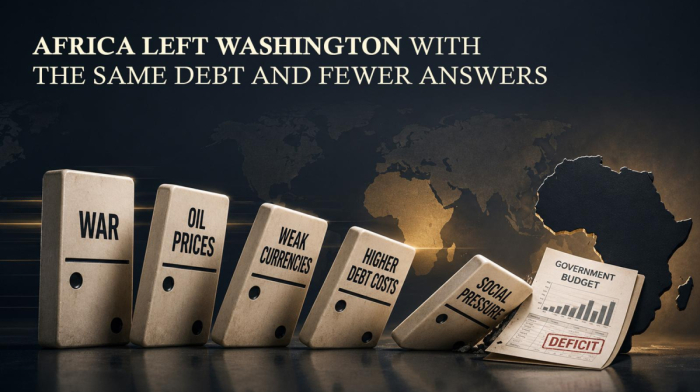
The current Middle East crisis has already had profound macroeconomic and energy consequences. It also reflects a broader phase of globalisation, where interdependencies can be weaponised for geopolitical purposes.
Iran has cautiously welcomed the ten-day ceasefire between Israel and Lebanon stressing that it is an integral part of Tehran’s set of its conditions for an end to the ongoing conflict with Washington.
Start your day informed with AnewZ Morning Brief. Here are the top news stories for the 17th of April, covering the latest developments you need to know.
Despite celebrations and cheers in Beirut Thursday night, some people who are affected by the conflict in Lebanon are sceptical about the ceasefire between Israel and Lebanon announced by U.S. President Trump on Thursday (16 April).
A 10-day ceasefire between Lebanon and Israel went into effect on Thursday at midnight local time and President Donald Trump said the next meeting between the United States and Iran may take place over the weekend, adding to optimism that the Iran war could be nearing an end.
France and Britain will chair a meeting on Friday (17 April) of around 40 countries aimed at signalling to the United States that some of its closest allies are ready to play a role in restoring freedom of navigation in the Strait of Hormuz once conditions allow.
Finance leaders from the Group of Seven (G7) have indicated they are prepared to step in if needed, to shield the global economy from the fallout of the war involving Iran, as concerns grow over rising energy prices and supply disruptions.
Pope Leo XIV arrived in Cameroon on Wednesday to an outpouring of joy, marking the start of an emotional visit for the country’s Catholic faithful.
Commander of Pakistan’s Army Field Marshal Asim Munir is visiting Tehran for high-level talks as Islamabad steps up mediation efforts to host renewed de-escalation talks between Iran and the U.S.
A second U.S.-sanctioned supertanker has entered the Gulf via the Strait of Hormuz, shipping data showed, despite a U.S. blockade on vessels visiting Iranian ports.
Optimism grew on Thursday that the war in the Middle East may be near an end, with a key Pakistani mediator in Tehran and the administration of President Donald Trump talking up hopes for a deal that would open the crucial Strait of Hormuz.
The two-week ceasefire between Iran, the U.S. and Israel entered its second and last week with Tehran stepping up diplomacy at home and abroad ahead of the pending renewed talks with Washington expected later this week.
Start your day informed with AnewZ Morning Brief. Here are the top news stories for the 15th of April, covering the latest developments you need to know.
The United States said on Wednesday its military had completely halted trade going in and out of Iran by sea, even though President Donald Trump said talks with Tehran on ending the war could resume this week.
The U.S.-sanctioned tanker Rich Starry made its way back to the Strait of Hormuz on Wednesday after exiting the Gulf the day before, shipping data showed, failing to break through a U.S. blockade on vessels calling at Iranian ports.
Canada, the UK, Australia, Japan and six other countries condemned the killings of United Nations peacekeepers in Lebanon on Tuesday while calling "for an urgent end to hostilities" in the country where Israeli attacks have killed more than 2,000 people since March.
Israeli and Lebanese ambassadors to the United States will meet later in Washington to discuss a ceasefire, with U.S. Secretary of State Marco Rubio attending.
Iran's ports were blocked by the U.S. military on Monday (13 April), President Donald Trump confirmed. Tehran has threatened to retaliate against its Gulf neighbours' ports and a U.S. official said there was continued engagement with Iran, and forward motion on trying to get to an agreement.
South Korea is close to finalising an agreement to import crude oil from Kazakhstan, according to Industry Minister Kim Jung-kwan, as the country seeks to diversify its energy supplies amid disruptions in the Middle East, he said on Sunday, 12 April, according to Reuters.
Oil prices surged on Monday (13 April) as the U.S. moved to impose a blockade on Iranian shipping after the collapse of weekend peace talks, while the dollar rose and stocks and bonds fell.
You can download the AnewZ application from Play Store and the App Store.