President Trump’s Iran threat over Hormuz: Words vs reality
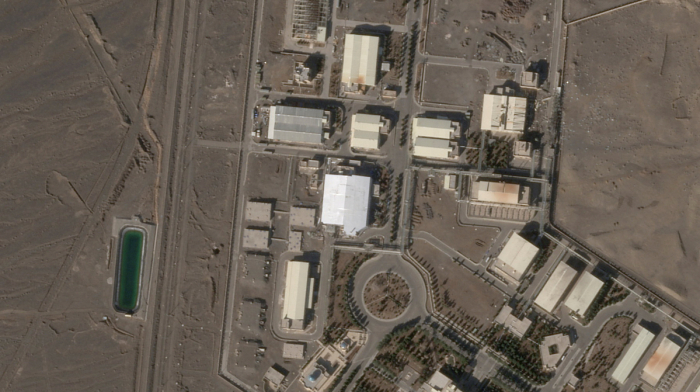
President Donald Trump warned Iran he would target power plants and bridges unless it reopened the Strait of Hormuz by Tuesday night - but what actually happened?
International law experts from across the U.S., including Harvard, Yale and Stanford, have signed an open letter saying the strikes on Iran may amount to war crimes. America and Israel began airstrikes on 28 February on Iran's capital, Tehran.
American President Donald Trump threatened on Wednesday to pull the United States out of NATO after European nations refused to join a U.S.-led naval mission to unblock the Strait of Hormuz.
“He is not… the owner!” U.S. District Judge Richard J. Leon wrote, temporarily halting construction of President Donald Trump’s $400 million White House ballroom, underscoring a cascade of legal, regulatory and public opposition that has engulfed the controversial expansion.
Iran is “essentially… no longer a threat,” U.S. President Donald Trump said on Wednesday (1 April), signalling what he described as the final phase of the war with Iran. In a televised address from the White House, Trump stated the U.S.-led campaign "Operation Epic Fury" was nearing completion.
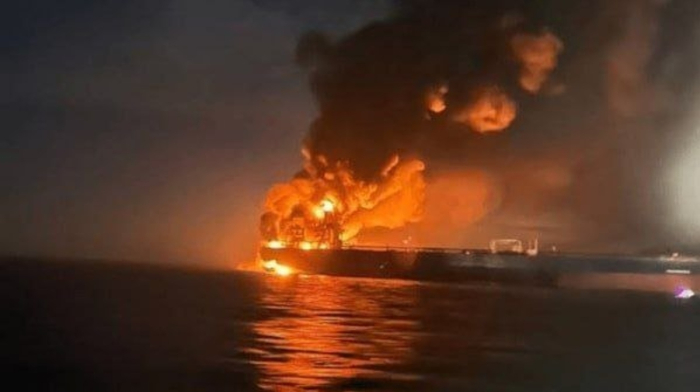
Fears of wider escalation grow despite President Donald Trump saying U.S. strikes on Iran could end within weeks. Meanwhile missile attacks, tanker incidents and rising casualties across Israel, Lebanon and the Gulf heighten risks to regional stability and energy routes.
With Donald Trump in attendance, the Supreme Court of the United States on Wednesday heard arguments over the legality of his directive to restrict birthright citizenship.
A U.S. judge has blocked President Donald Trump from moving ahead with plans to build a $400 million ballroom on the site of the demolished East Wing of the White House, pausing one of the most high-profile efforts to reshape the presidential complex.
President Donald Trump said the United States could end its military attacks on Iran within two to three weeks and Tehran did not have to make a deal as a prerequisite for the conflict to wind down.
The Iran-U.S.-Israel conflict is intensifying, with fresh strikes near Tehran, European calls for restraint, and Iran threatening to target U.S. firms in the region, raising fears of a broader escalation across the Middle East.
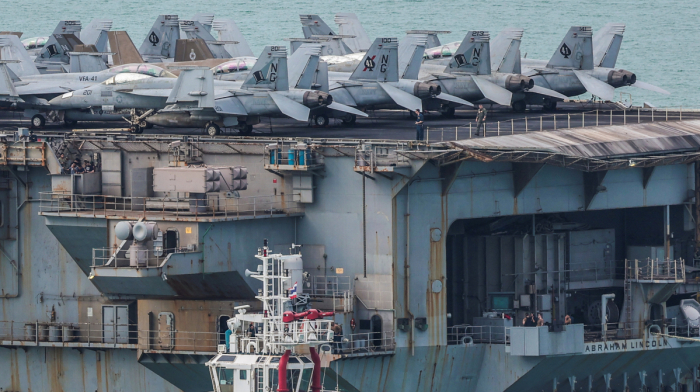
U.S. President Donald Trump has been weighing whether to deploy ground forces to seize Iran’s strategic oil hub of Kharg Island - an operation analysts say could be swift, but would expose U.S. troops to significant danger and potentially prolong, rather than shorten, the war.
President Donald Trump said the U.S. and Iran have been meeting "directly and indirectly" and that Iran's new leaders have been "very reasonable", as more U.S troops arrived in the region and Tehran warned it will not accept humiliation.
U.S. President Donald Trump said he had "no problem" with any country sending crude to Cuba as a Russian tanker neared a Cuban port with a badly needed shipment, signalling he was reversing course on blocking oil shipments to the country on Sunday.
The involvement of Yemen’s Houthis has heightened regional tensions as the Iran-aligned group joins the conflict. The U.S. says it is hopeful of holding talks with Iran in the coming days, while Tehran has said that "talking and bombing is intolerable". Welcome to our live coverage of the conflict.
The U.S. Congress failed on Friday (27 March) to resolve a six-week funding impasse that has disrupted airports and left tens of thousands of federal workers without pay, raising fears of further travel chaos during the busy spring break period.
U.S. President Donald Trump said on Thursday he would pause attacks on Iran's energy plants for 10 days at Tehran's request and said talks with Iran were going "very well," although an Iranian official dismissed a U.S. proposal for ending nearly four weeks of fighting as "one-sided and unfair."
Iran is reviewing a U.S. proposal to end the war in the Gulf but has no intention of holding talks to wind down the widening Middle East conflict, the country's foreign minister said on Wednesday (25 March).
Both the United States and Iran are giving conflicting messages about trying to end the conflict in the Middle East as the rest of the world battle with the consequences of the war. Welcome to AnewZ's coverage of the tensions in the Middle East.
A flotilla carrying humanitarian aid arrived in Havana on Tuesday morning (24 March) amid a U.S. oil blockade that has dealt a major blow to the island's already ailing energy infrastructure.
Danish Prime Minister Mette Frederiksen's Social Democrats were headed for their worst election outcome in more than a century on Tuesday, as migration and welfare concerns obscured broad support for her defiant stance toward Washington over Greenland.
Israel struck the Iranian capital Tehran on Wednesday, Israeli military and Iranian media said, as President Donald Trump announced that the U.S. is making progress in its efforts to negotiate an end to the war, with reports of a 15-point plan sent to Tehran.
U.S. President Donald Trump said the U.S. was talking to the right people in Iran to make a deal on Tuesday (24 March), as Pakistan's Prime Minister offered to host peace talks between the two countries to bring about an end to the conflict.
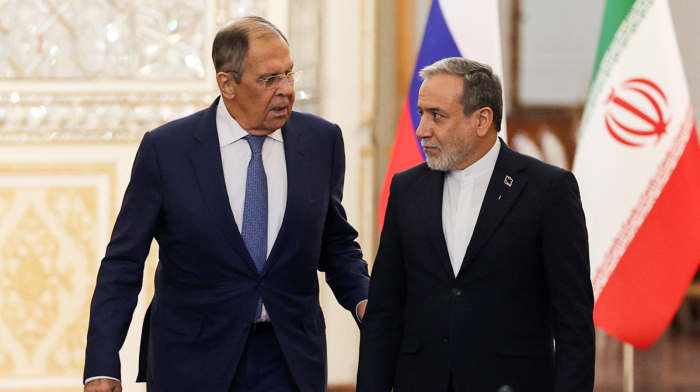
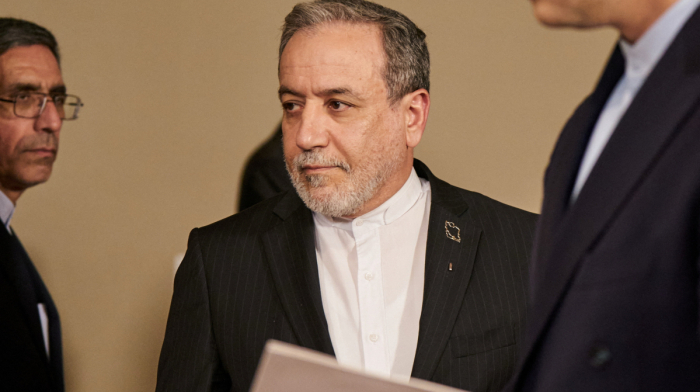
The Iranian Foreign Minister Abbas Araghchi has stated Tehran’s stand on the latest developments in the Israel and the United States war in Iran following U.S. President Donald Trump’s announcement to postpone bombing the country's energy infrastructure.
As Denmark gears up for a general election on 24 March, opinion polls show a narrow lead for Prime Minister Mette Frederiksen, whose numbers have been boosted by her firm stance against U.S. President Donald Trump’s push to annex Greenland to the U.S.
You can download the AnewZ application from Play Store and the App Store.