Rubio: U.S. will take action to mitigate oil price spike for Americans
The U.S. will take action to mitigate rising energy prices due to a spike in the price of oil caused by the Iran conflict, Secretary of State Rubio said on Monday.
Israel carried out heavy airstrikes on the Hezbollah-controlled southern suburbs of Beirut on Monday (2 March), after the Iran-backed group launched missiles and drones towards Israel in retaliation for the killing of Iran's Supreme Leader Ali Khamenei.
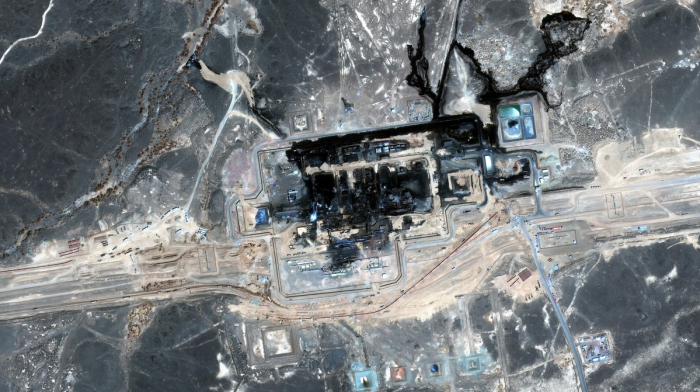
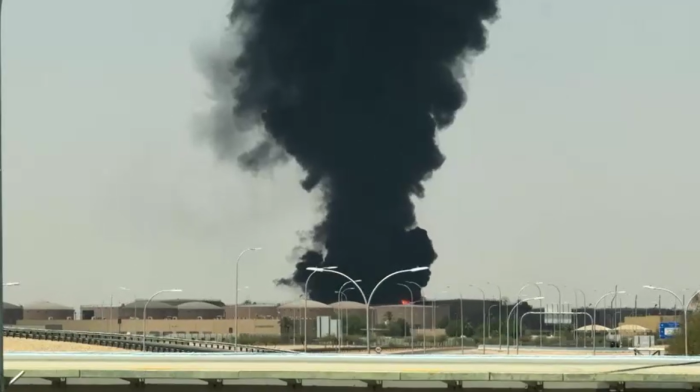
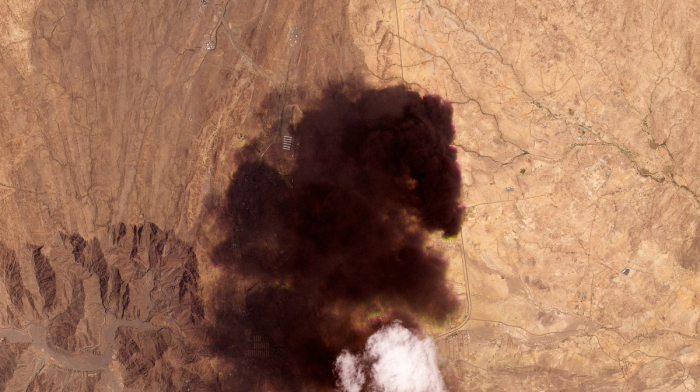
Saudi Arabia’s state oil giant Saudi Aramco closed its Ras Tanura refinery on Monday following an Iranian drone strike, an industry source told Reuters as Tehran retaliated across the Gulf after a U.S.-Israeli attack on Iranian targets over the weekend.
China expressed serious concern over the escalating conflict in Iran, confirming that one Chinese national was killed in Tehran. Beijing called for an immediate halt to military operations and a return to diplomatic talks, while other Asian countries have also voiced their positions on the crisis.
Iran’s Islamic Republic is backed by decades of institutional strength and the Islamic Revolutionary Guard Corps (IRGC) has proved to be resilient. Middle East expert Kevan Gafaïti from Sciences Po Paris explains why Iran's institutions are, therefore, unlikely to crumble under renewed strikes.
Several marine insurers said they are cancelling war risk cover for ships due to the conflict in Iran and the Gulf. Insurers including Gard, Skuld, NorthStandard, the London P&I Club and the American Club said their cancellations will take effect from 5 March.
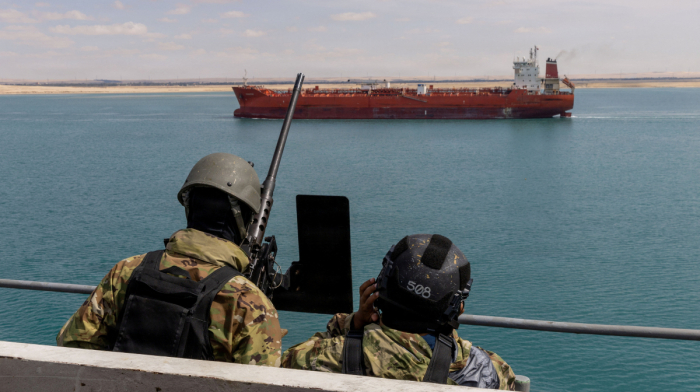
Türkiye raised its security level for Turkish-flagged vessels in the Strait of Hormuz to Level 3 on Sunday (2 March). The development follows Iranian restrictions on shipping after U.S. and Israeli strikes and confirmation of Supreme Leader Ali Khamenei’s death.
The Middle East crisis intensifies after the deadly attack on the compound of the Supreme Leader of Iran Ali Khamenei on Saturday that killed him, other family members and senior figures. Iran has launched retaliatory strikes on U.S. targets in the region.
The United States and Israel have carried out large-scale strikes on Iranian leadership and military targets, with Iranian state media confirming that Supreme Leader Ayatollah Ali Khamenei was killed.
Follow the latest developments and global reaction after the U.S. and Israel launched “major combat operations” in Iran, prompting retaliation from Tehran.
Ayatollah Alireza Arafi has moved into a pivotal constitutional role following the death of Supreme Leader Ayatollah Ali Khamenei, becoming the clerical member of Iran’s temporary leadership council under Article 111 of the Constitution of the Islamic Republic of Iran.
A number of senior Iranian figures have reportedly been killed in Saturday’s joint U.S.–Israeli airstrikes on Iran, according to Iranian state media, Israeli military statements and international reporting. Some of the details remain unverified. .
The death of Iran’s Supreme Leader Ayatollah Ali Khamenei has triggered one of the most significant political processes in the Islamic Republic: the selection of a new Supreme Leader.
Ayatollah Ali Khamenei, Iran’s supreme leader for 36 years and the country’s highest political and religious authority, has died aged 86 following joint Israeli and U.S. strikes on his compound in Tehran.
Journalist and International Affairs Commentator, Tom Gross, joined AnewZ from Tel Aviv to tell us why he thinks the attack happened now and whether this could mark the beginning of the end for the Iranian leadership.
Following the U.S.-Israel strikes, Iran has called for an urgent meeting of the United Nations Security Council to be held on Monday (2 March), and vowed strong retaliation to the attacks. Touraj Shiralilou sent this update from Tehran.
The international reaction to the U.S. and Israel’s strikes on Iran came in fast and strong.
Governments across the region responded swiftly to Israel’s strikes on Iran, closing airspace, issuing travel advisories and activating contingency plans amid fears of escalation.
As the strikes on Tehran began on Saturday (28 February), Touraj Shiralilou sent us this report from the Iranian capital.
Pakistani air strikes hit a weapons depot on the western outskirts of Kabul overnight, triggering hours of secondary explosions that rattled homes across the Afghan capital and left residents fearing further violence.
You can download the AnewZ application from Play Store and the App Store.