How a U.S.–Iran deal could reshape Israel’s regional security strategy
As diplomatic talks over a possible U.S.–Iran framework agreement continue, analysts are assessing how any deal could alter security dynamics across the Middle East.
The U.S military said it carried out retaliatory strikes on Iran on Thursday (7 May). Meanwhile, Iran's Joint Military Command accused the U.S. of breaching the ceasefire, by striking an Iranian oil tanker in the Strait of Hormuz and launching attacks on several Iranian cities.
U.S.-Iran diplomacy is gaining momentum after weeks of military escalation, but tensions remain high from the Strait of Hormuz to Lebanon. Analysts say simultaneous negotiations and military pressure reflect a broader regional struggle that is far from over.
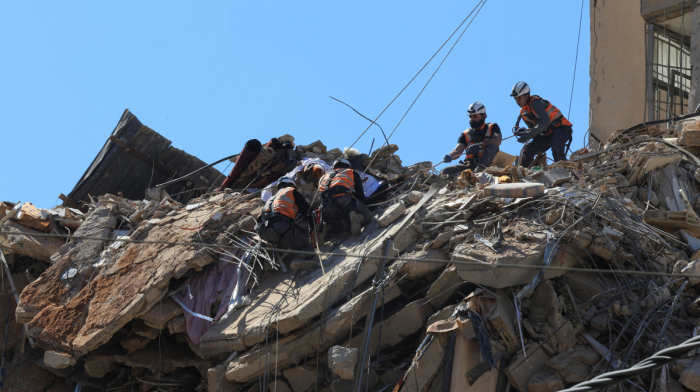
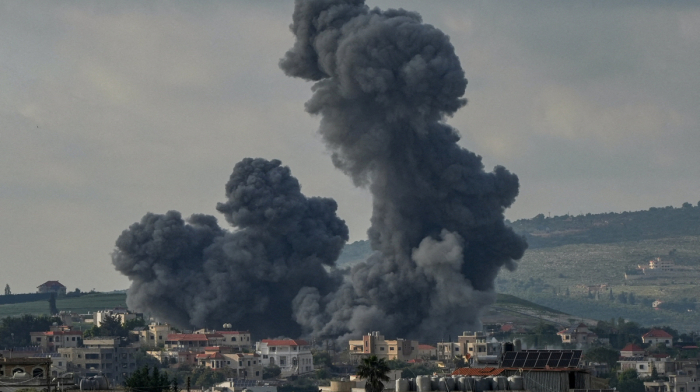
A senior commander in Hezbollah’s elite Radwan force was killed in an Israeli airstrike in Beirut on Wednesday (6 May), highlighting ongoing tensions despite a fragile ceasefire between Israel and Hezbollah.
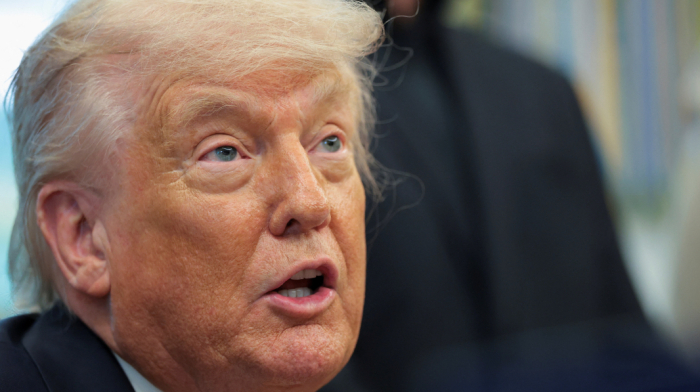
U.S. President Donald Trump has predicted a swift end to the war with Iran, as Tehran considers a U.S.-backed peace proposal that sources say could formally end the conflict but leaves several core disputes unresolved.
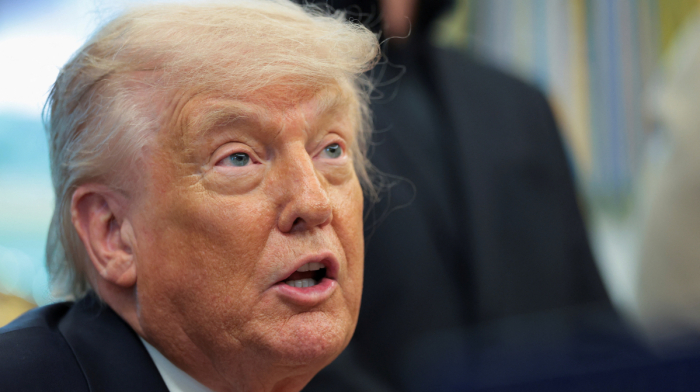
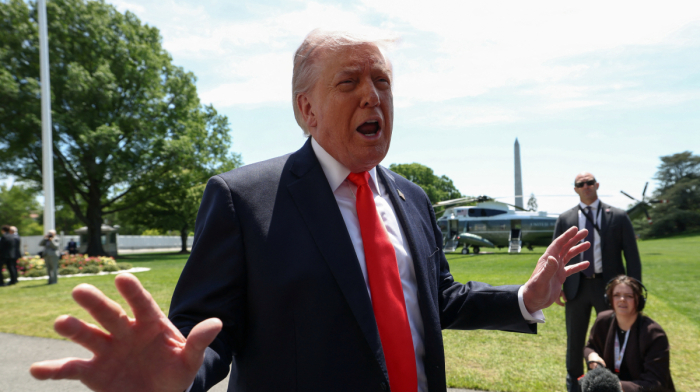
U.S. President Donald Trump said that Iran wanted to negotiate and make a deal in comments to reporters on Wednesday (6 May). But earlier, he warned Washington would ramp up attacks if no agreement was reached.
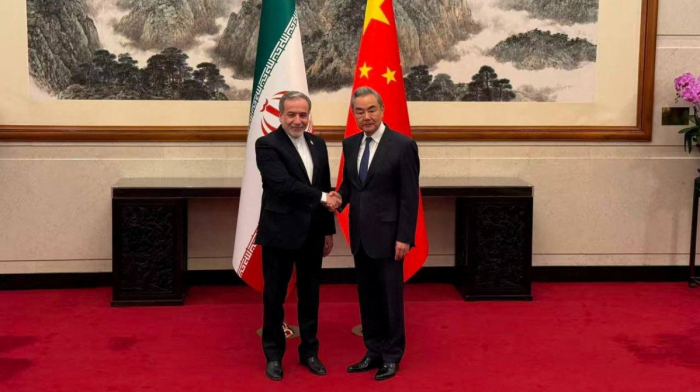
Iranian Foreign Minister Abbas Araghchi met China’s top diplomat in Beijing on Wednesday (6 May), underscoring deepening ties between Tehran and Beijing ahead of high-level U.S.-China talks expected to touch on Iran and the Gulf crisis.
The United Arab Emirate said it was dealing with missile and drone attacks from Iran for the second day in a row on Tuesday (5 May), despite denials from authorities in Tehran who threatened a "crushing response" if the UAE retaliated.
The United Arab Emirates (UAE) said it was dealing with missile and drone attacks from Iran for the second consecutive day on Tuesday (5 May), despite denials from authorities in Tehran.
The U.S. and Iran launched new attacks in the Gulf on Monday as they wrestled for control over the Strait of Hormuz with duelling maritime blockades, shaking a fragile ceasefire.
Iran warned Armerican forces on Monday (4 May) not to enter the Strait of Hormuz, after the U.S. said it had launched a mission to try and reopen the sea passage. Meanwhile, Iran's Foreign Minister said there was no military solution to the Middle East conflict.
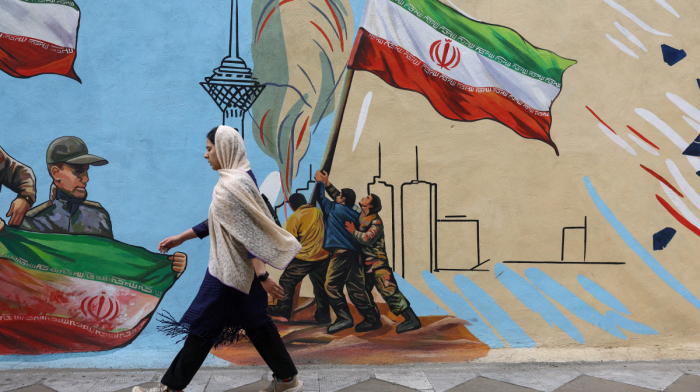
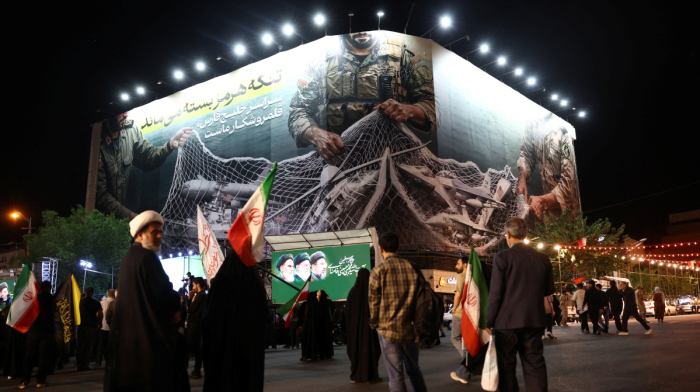
Recent developments across the Middle East show political messaging is moving beyond traditional channels, with public art and AI-generated content reshaping how conflicts are portrayed and consumed online.
The commander of Iran’s Khatam al-Anbia Central Command has warned the U.S. against deploying forces to escort vessels through the Strait of Hormuz, saying any such move would be met with force.
Talks between the U.S. and Iran remain in a delicate state after U.S. President Donald Trump rejected a 14-point proposal conveyed via Pakistan, while simultaneously suggesting that discussions with Tehran have been “positive.”
A tanker reported being hit by unknown projectiles in the Strait of Hormuz, a maritime security organisation said on Monday, shortly after President Donald Trump said the U.S. would start helping free ships stranded in the Gulf by the U.S.-Israeli war on Iran.
Kazakhstan, Russia, Saudi Arabia and other key OPEC+ countries have agreed a paper-based modest oil output hike for next month, raising the output targets to 188,000 barrels a day in June.
U.S. President Donald Trump has said he will “soon be reviewing” a new 14-point proposal sent by Iran, casting doubt on the chances of a deal after Tehran called for security guarantees, an end to naval blockades and a halt to the war across the region, including in Lebanon.
U.S. President Donald Trump told reporters he was "not satisfied" with Iran's latest peace proposal, which was delivered to Washington via Pakistani mediators on Friday (1 May).
U.S. President Donald Trump declared that a ceasefire had "terminated" hostilities against Iran, as he sought to bolster his argument that he does not need lawmakers' permission to continue the conflict.
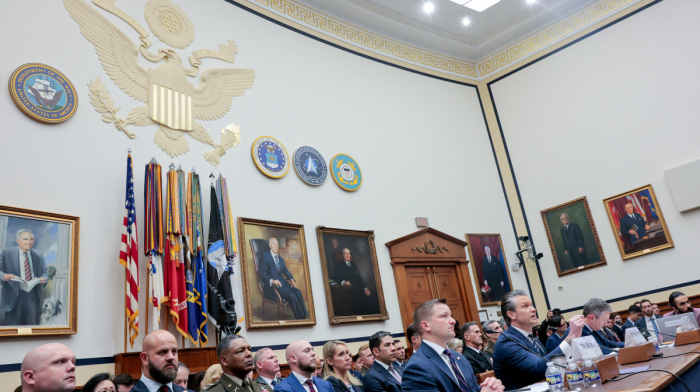
A Pentagon official provided the first official estimate of the cost of the U.S. war in Iran on Wednesday (29 April), telling lawmakers that $25 billion had so far been spent on the conflict, most of it on munitions. Earlier, Donald Trump said that the U.S. had "militarily defeated" Tehran.