Leaders of Israel and Lebanon could be hosted at White House for future talks
Lebanon and Israel have agreed to extend their ceasefire by three weeks following talks at the White House, U.S. President Donald Trump said on Thursday (23 April).
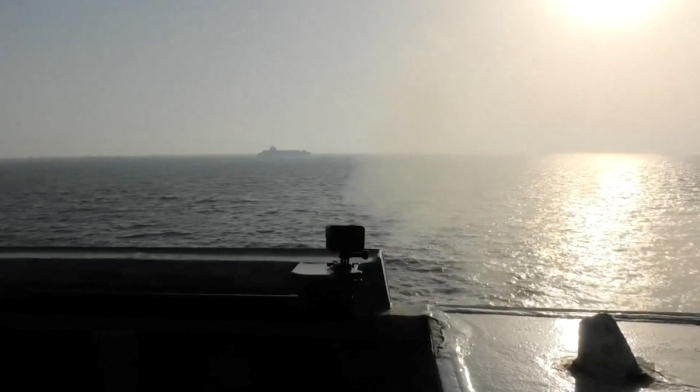
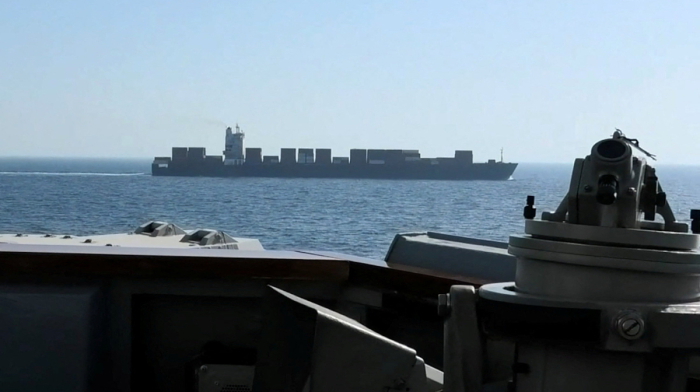
The U.S. military is redirecting at least three Iranian-flagged tankers after intercepting them in Asian waters near India, Malaysia and Sri Lanka, shipping and security sources said on Wednesday. Meanwhile, Tehran said U.S. breaches, blockades and threats are undermining “genuine negotiations.”
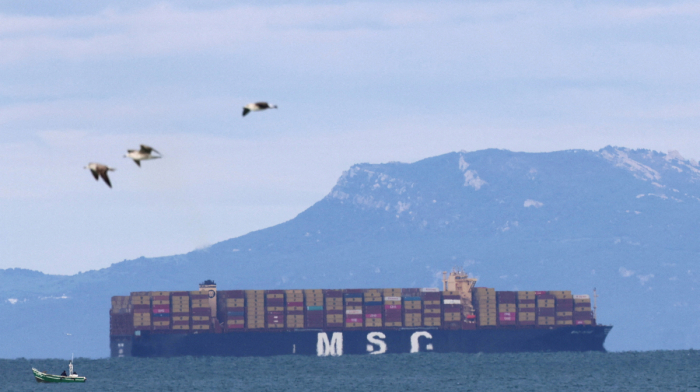
European logistics companies are set to report stronger first-quarter profits, benefiting from supply chain disruption linked to the U.S.-Israeli war with Iran, though analysts warn the conflict could weaken demand later this year.
The current standoff between the U.S. and Iran is likely to continue in the near term, with both sides seeking to outlast the other rather than escalate into a wider conflict, according to political analyst Orkhan Nabiyev.
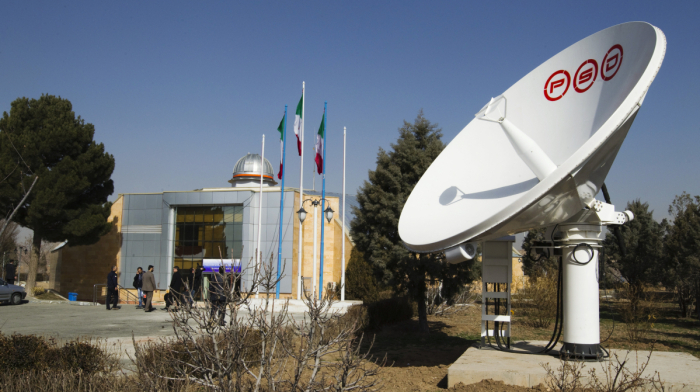
Iran’s Permanent Mission to the United Nations in New York strongly protested against U.S. and Israel targeting multiple civilian infrastructure related to communications and space centre facilities, and also urged regional countries to prevent their territory being used for "military aggression".
The status of a two-week-old ceasefire, due to expire earlier this week, remained unclear. In a sharp turn around hours after threatening renewed violence, President Donald Trump made what appeared to be a unilateral announcement on Tuesday that the U.S. would extend the Iran war ceasefire
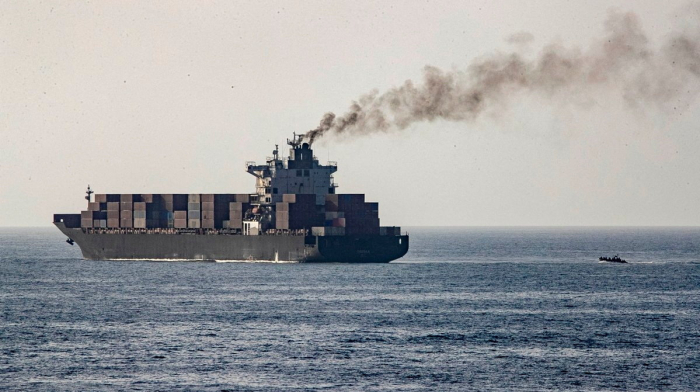
The U.S. military has intercepted at least three Iranian-flagged tankers in Asian waters and is redirecting them away from their positions near India, Malaysia and Sri Lanka, shipping and security sources said on Wednesday, exclusively to Reuters.
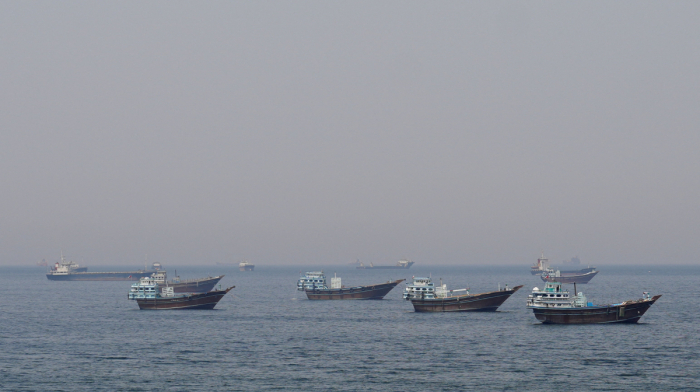
Iran’s Revolutionary Guards targeted three vessels, seizing two of them for alleged maritime violations and transferring them to Iranian shores, as U.S. President Donald Trump said Washington is extending its ceasefire with Iran until Tehran submits a proposal.
U.S. efforts to push Iran into accepting pre-war conditions are intensifying, as tensions continue despite an extended ceasefire between Iran and the U.S.
The U.S.-Israeli war with Iran and the closure of the Strait of Hormuz have triggered the largest oil supply disruption ever recorded in terms of daily output losses. However, Reuters calculations show that at least one past crisis had a greater cumulative impact over time.
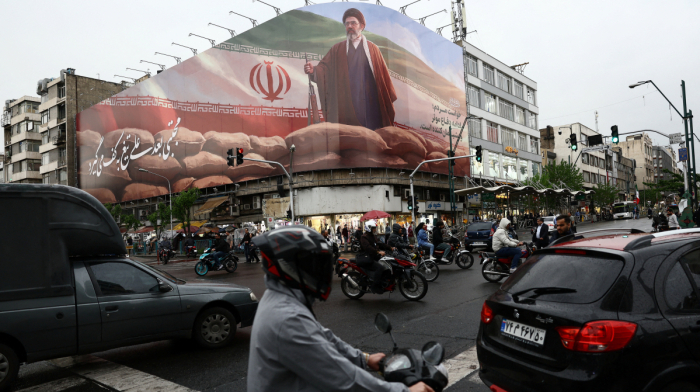
The Iranian missions in London and Vienna strongly condemned the remarks by the European Union Foreign Policy Chief Kaja Kallas on the imposition of further sanctions on Tehran as a “highway of hypocrisy,” amid the Israeli-U.S. war on the Islamic Republic.
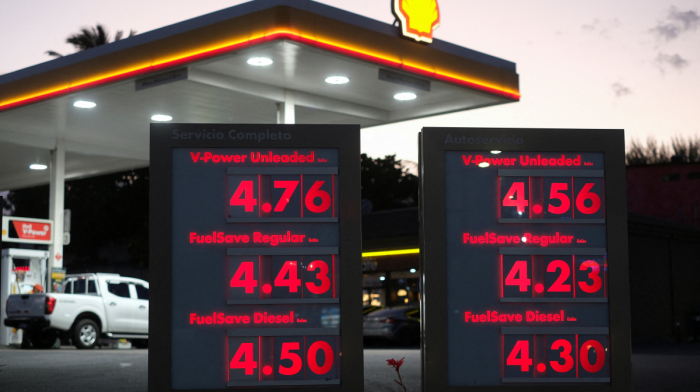
The European Commission is set to outline new measures to ease pressure on households and businesses as Europe faces a new energy crisis linked to the conflict in Iran.
Military planners from more than 30 countries will hold two-day talks in London from Wednesday to advance a mission to reopen the Strait of Hormuz and draw up detailed plans, the British government said
U.S. President Donald Trump said he would indefinitely extend the ceasefire with Iran to allow for further peace talks, although it was not clear on Wednesday (22 April) if Iran or Israel, the U.S. ally in the two-month war, would agree.
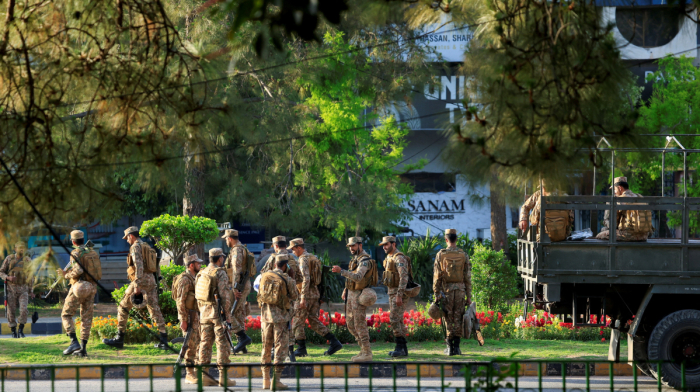
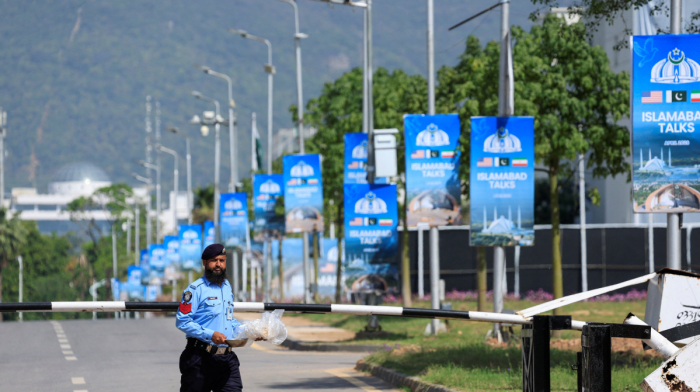
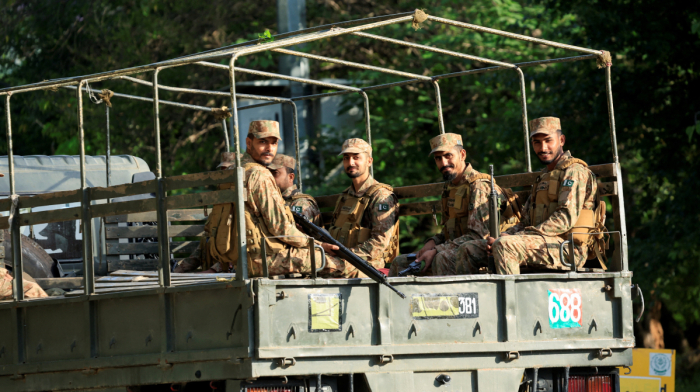
Pakistan is confident it can bring Iran to talks with the United States, a senior official said, citing “positive signals” from Tehran, as JD Vance is reportedly set to visit Islamabad on Tuesday for peace talks, according to Axios.
Rising tensions around the Strait of Hormuz are reshaping geopolitical calculations and global shipping, with analysts warning of prolonged disruption even if a ceasefire is reached. Experts say the crisis is driven as much by strategic messaging as by economic risks.
Prospects for new peace talks between Iran and the U.S. are “dim,” with both sides operating on false assumptions, a political analyst told AnewZ.
Iran is considering attending peace talks with the United States in Pakistan, a senior Iranian official told Reuters on Monday, following moves by Islamabad to end a U.S. blockade of Iran's ports, a significant obstacle to Tehran rejoining peace efforts as the end of a two-week ceasefire approaches
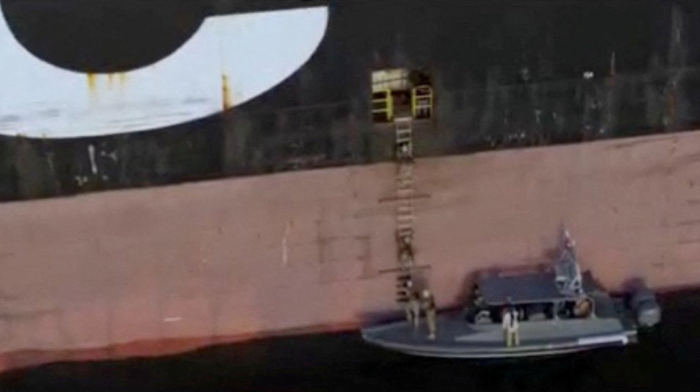
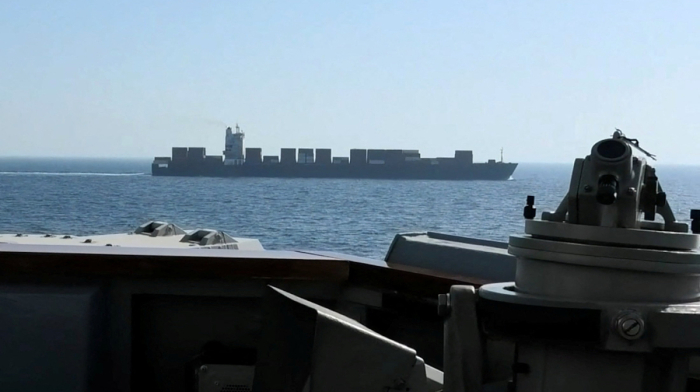
The Iranian-flagged container ship Touska, which was boarded and seized by U.S. forces on Sunday (18 April), is likely to have what Washington deems dual-use items that could be used by the military onboard, maritime security sources said on Monday.
Iran accuses the United States of breaching a ceasefire after a commercial ship was seized in the Gulf of Oman, vowing retaliation, as Israel warns south Lebanon residents to avoid restricted areas.
You can download the AnewZ application from Play Store and the App Store.