Uzbekistan, Azerbaijan target $1 billion in trade by 2030
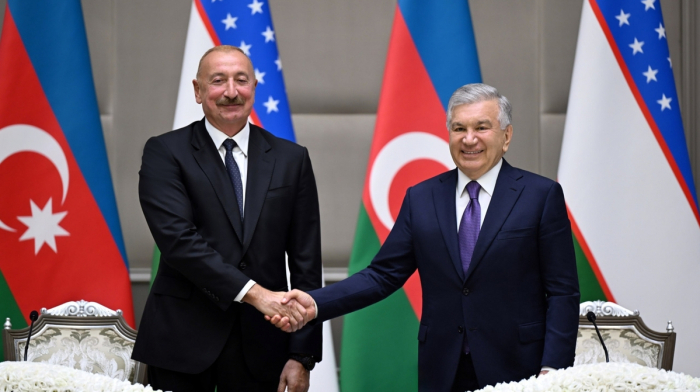
Uzbekistan and Azerbaijan are drawing up a new programme aimed at boosting bilateral trade to $1 billion by 2030, as the two countries move to deepen economic and industrial ties.
Uzbekistan has unveiled a sweeping package of business reforms, including easier access to loans, $1 billion in export support, a three-year moratorium on most inspections and stronger protections for entrepreneurs.
Uzbekistan could lose up to $1.5 billion if escalating Middle East tensions disrupt vital trade and logistics routes through Iran, putting pressure on supply chains and the wider economy.
Central Asia has become a major focus for Eurasian transport investment, with $71.7 billion committed to 114 projects, according to the Eurasian Development Bank’s 2026 Transport Observatory.
Uzbekistan will allow eligible businesses to operate for up to three months without a licence or permit under a new regime aimed at cutting barriers to market entry and attracting investment.
Central Asia’s economy has surpassed $543 billion, driven by Kazakhstan’s economic weight, strong exports and foreign investment, while growing trade across Asia points to an increasingly connected region.
Kyrgyzstan has proposed hosting part of Russian e-commerce giant Wildberries’ warehouse and logistics network, aiming to reduce supply-chain risks and strengthen trade with Russia.
Uzbekistan has secured preferential tariffs for fertiliser and petroleum product shipments through Kazakhstan’s Kuryk port to Georgian ports, as Uzbek cargo volumes across the Caspian continue to rise.
Glacier coverage in Kyrgyzstan’s Issyk-Kul Basin has shrunk by 33.7 per cent over the past 70–90 years, according to an updated glacier inventory by Kyrgyzhydromet. The agency says the pace of glacier retreat has accelerated sharply in recent years.
Tashkent has begun work to open the Islam Karimov Memorial Complex to the public as part of plans for a 700-hectare green corridor linking major parks and public spaces across the Uzbek capital.
Uzbekistan and Kazakhstan will remove tariff and non-tariff barriers affecting around 20 product categories from 10 August, in a move designed to facilitate cross-border trade and support businesses in both countries.
Uzbek exporters say repeated disruptions to Wildberries' logistics network in Russia have slowed deliveries and affected overseas sales, prompting the government to hold talks with the online marketplace's management.
Uzbekistan has successfully launched the Samarkand-2028 hyperspectral Earth observation satellite into orbit, marking a major milestone in the country's national space programme and technological cooperation with China.
Central Asian countries are adapting their energy strategies as Russia’s fuel sector comes under mounting pressure from Ukrainian drone attacks on oil infrastructure and continuing export restrictions.
The U.S. has made its visa bond programme permanent for citizens of 50 countries, requiring some business and tourist visa applicants to pay refundable deposits of up to $20,000. Several Central Asian countries remain on the list, but Uzbekistan is not.
Apple Pay has launched in Kyrgyzstan and Tajikistan, expanding digital payment services across Central Asia and supporting the region's shift towards cashless transactions.
UNESCO has granted World Heritage status to 10 landmarks of Tashkent's modernist architecture, recognising the buildings that helped redefine Uzbekistan's capital after the devastating 1966 earthquake.
Russia has extended its ban on exports of gasoline, diesel, marine fuel and gasoil until 31 January 2027, as Moscow seeks to stabilise its domestic fuel market, prompting Central Asian countries to strengthen fuel security and diversify supplies.
Uzbekistan and Kyrgyzstan have elevated their bilateral relationship to the level of an alliance after Presidents Shavkat Mirziyoyev and Sadyr Japarov signed a Treaty on Allied Relations during high-level talks in the Kyrgyz resort city of Cholpon-Ata.
Russian President Vladimir Putin has signed laws introducing stricter financial requirements for foreign workers, as Moscow continues to tighten migration controls affecting millions of labour migrants, particularly from Central Asia.
Uzbekistan captain Eldor Shomurodov has been shortlisted for the Hyundai Goal of the Tournament award at the 2026 FIFA World Cup, with his strike against DR Congo named among the competition’s 12 best goals. The nomination places the Uzbek forward alongside some of world football’s biggest stars.
Uzbekistan welcomed 6.56 million foreign tourists in the first six months of 2026, a 24.9% increase compared with the same period last year, according to the National Statistics Committee. The figures underline the country's growing appeal as one of Central Asia's leading travel destinations.
Fresh off attracting $4.3 billion in foreign investment and loans during the first half of 2026, Tashkent is using the Global Business Services Forum (GBSF) to showcase Uzbekistan's growing appeal as a destination for international investment in technology, outsourcing and artificial intelligence.
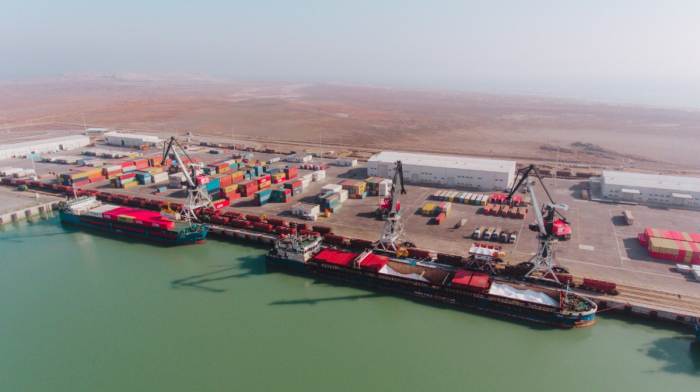
The Turkmenbashi International Seaport has launched pilot cargo transit operations using the electronic TIR system on the Azerbaijan-Turkmenistan-Uzbekistan transport corridor, marking a step towards fully digital customs procedures across the region.
You can download the AnewZ application from Play Store and the App Store.